Best Binoculars for Hiking: My Top 10 and Complete Guide
Looking for the **best binoculars for hiking**? I ran our database of 288 models through a dedicated hiking filter that prioritises light weight, robustness and all-round versatility above everything else. The result is this Top 10, scored and ranked by our hiking profile engine. Every model on this list weighs under 900 g, is fully waterproof and built to handle a day on the hill.
I'm Teddy, an adventure and travel photographer based in Brittany. This ranking comes straight from our comparator database, not a recycled press list. Just below the Top 10 you will find the comparator already set to the hiking profile, so you can filter by budget or format. Further down, I have written a full buying guide covering every criterion that actually matters out on the trail.
My Top 10 Binoculars for Hiking
Every model weighs under 900 g, is waterproof and built for the outdoors. One per brand, for variety. The fit score reflects the hiking profile: weight, durability and versatility.
- 1
 ★87.8/100 hiking
Zeiss
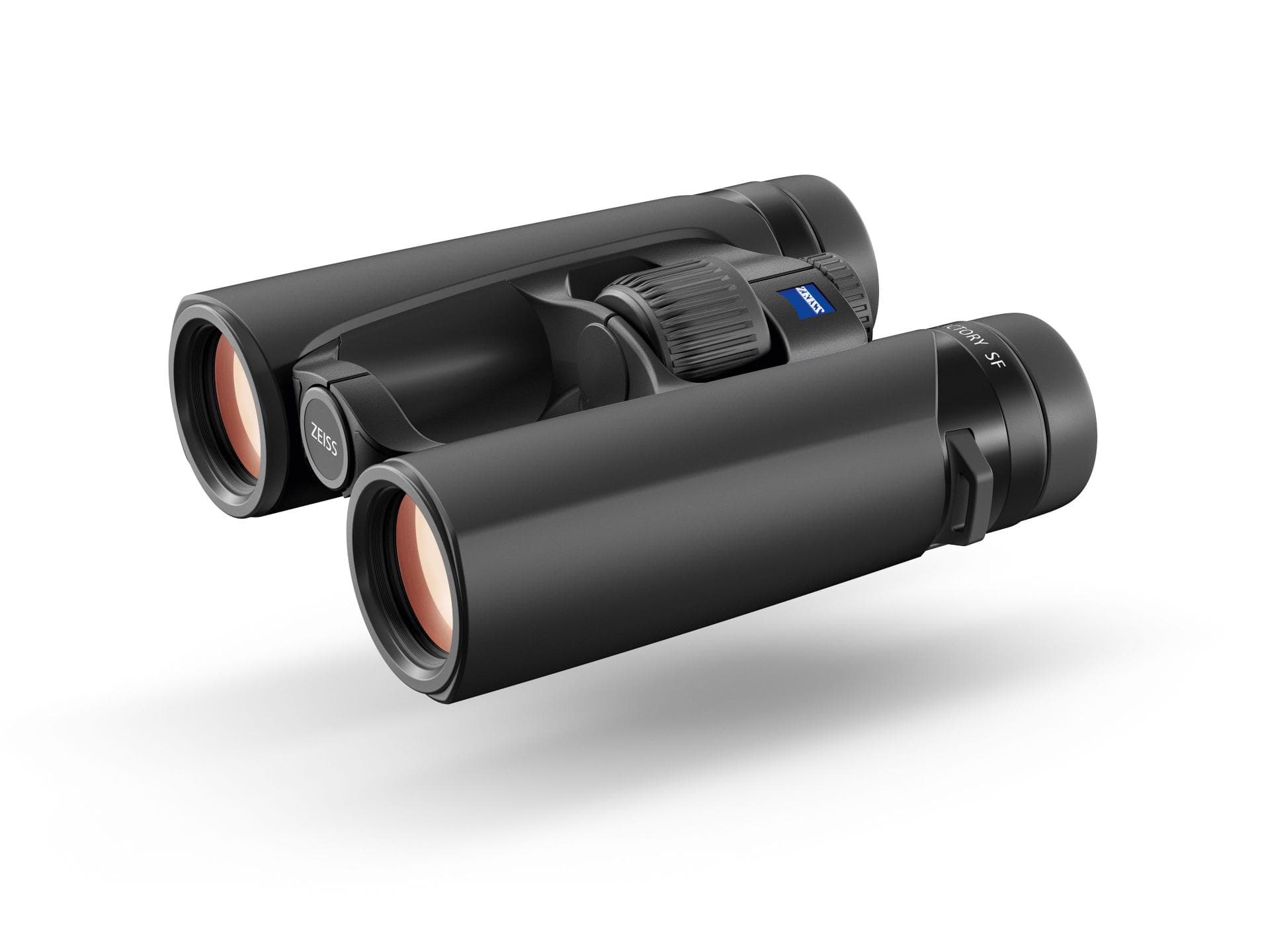
Zeiss Victory SF 8x32
8×32600 gfield 155 mexit pupil 4 mmED glasswaterproofFor me, this is the ultimate hiking binocular. You forget it is there until you raise it to your eyes, and then the image stops you in your tracks every single time.
Compare and see pricesStrengths
- Enormous field of view (155 m at 1000 m)
- Only 600 g, genuinely lightweight
- Sharpness and light transmission at the very top of the market
The catch
The price puts it firmly at the top end of the premium segment.
- 2
 ★87.4/100 hiking
Nikon
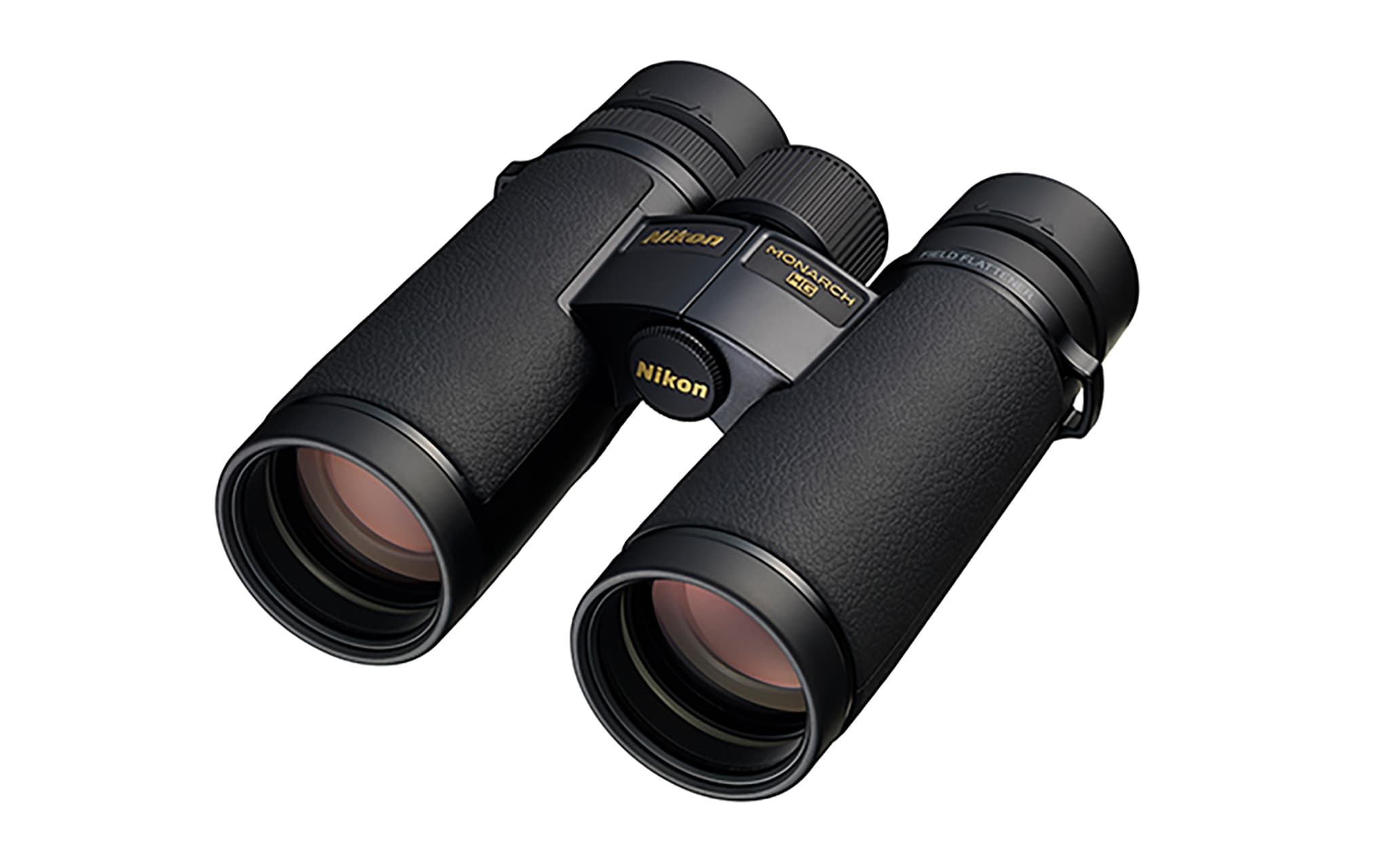
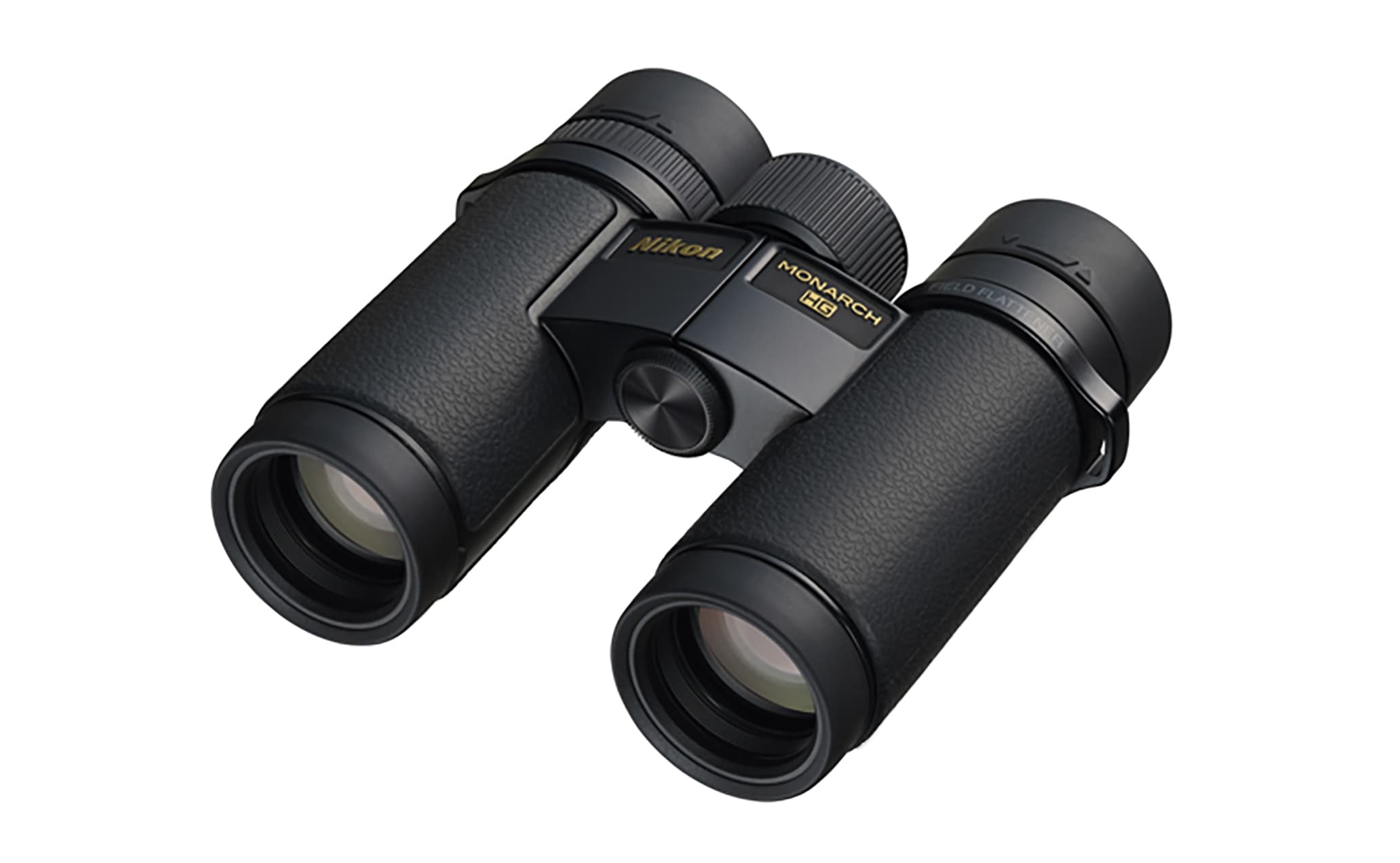
Nikon Monarch HG 8x42
8×42665 gfield 145 mexit pupil 5.3 mmED glasswaterproofThe best light-to-weight balance in my ranking. A 42 mm binocular that tips the scales almost like a 32 mm, housed in a tough magnesium chassis built to last.
Compare and see pricesStrengths
- 665 g for a 42 mm format, genuinely impressive
- Magnesium body that handles knocks without complaint
- ED glass delivers a bright, crisply defined image
The catch
Field of view (145 m) is a touch narrower than the very best in class.
- 3
 ★85.1/100 hiking
Leica
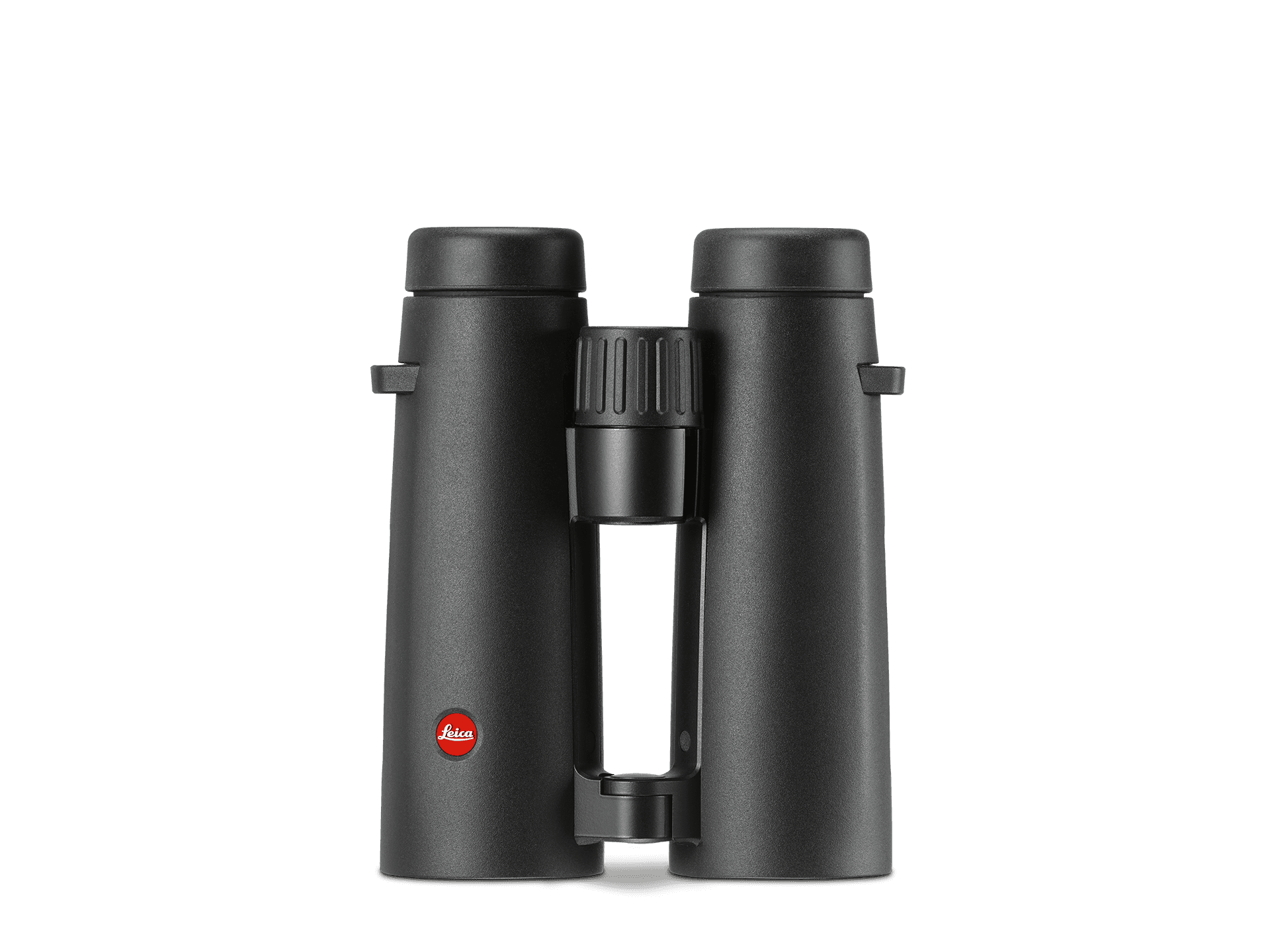
Leica Noctivid 8x42
8×42853 gfield 135 mexit pupil 5.3 mmED glasswaterproofIf contrast and pop matter to you, this is your optic. It is a little heavier, but the image in difficult light is something else entirely.
Compare and see pricesStrengths
- Contrast and sharpness that carry Leica's hallmark
- Flawless build quality, nothing feels compromised
- Exceptional performance in low light
The catch
At 853 g it is the heaviest model in my Top, which is marginal for fast or lightweight hiking.
- 4
 ★85.1/100 hiking
Vortex
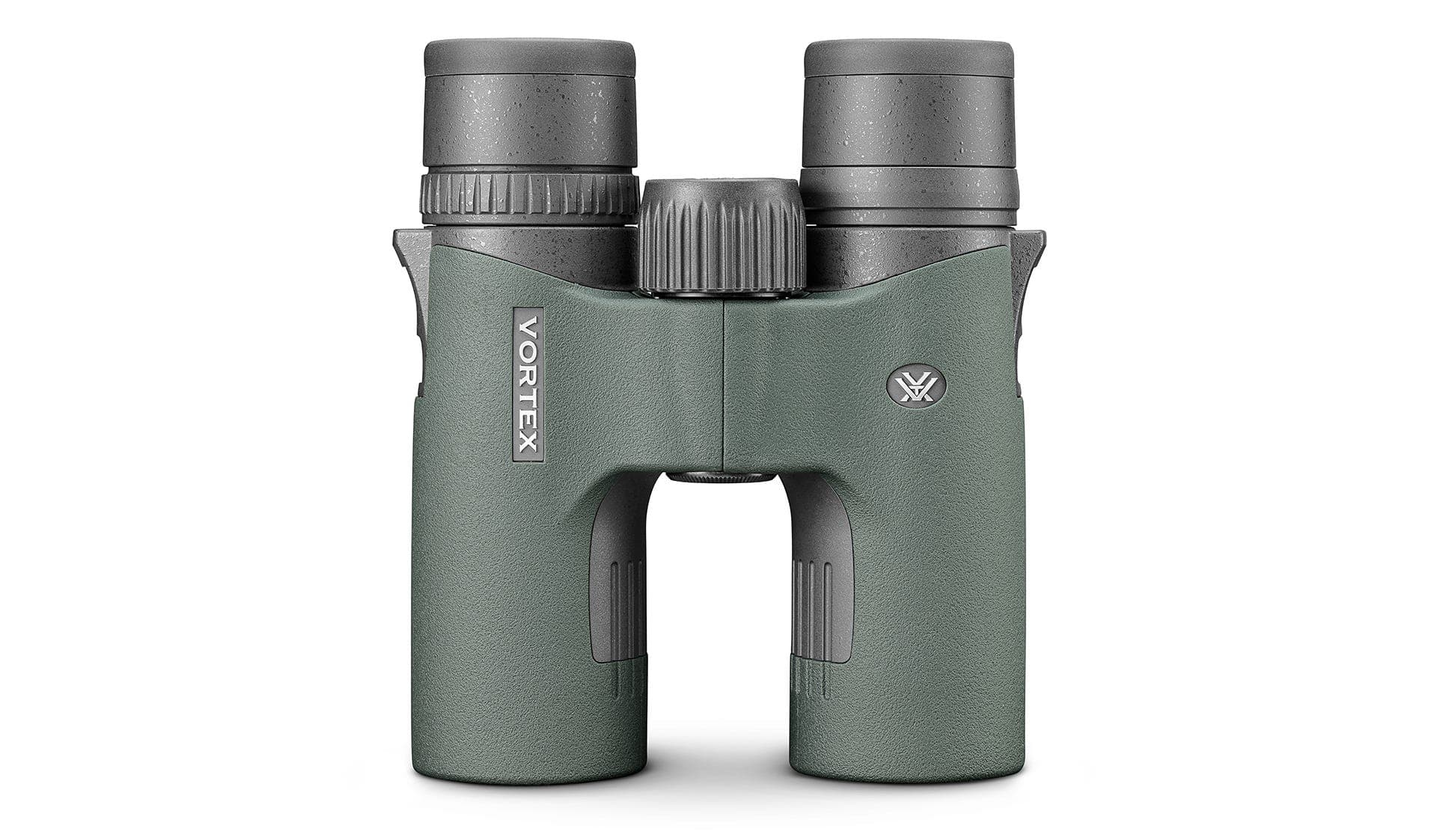
Vortex Razor UHD 8x32
8×32621 gfield 157 mexit pupil 4 mmED glasswaterproofThe reassuring choice at the premium level: top-tier optical performance backed by a no-quibble lifetime warranty. Head into the mountains with a clear conscience.
Compare and see pricesStrengths
- Very wide field of view (157 m at 1000 m)
- VIP lifetime warranty, no questions asked
- 621 g in a compact, pocket-friendly body
The catch
The Razor range is not cheap, and the price climbs quickly.
- 5
 ★84.5/100 hiking
Swarovski
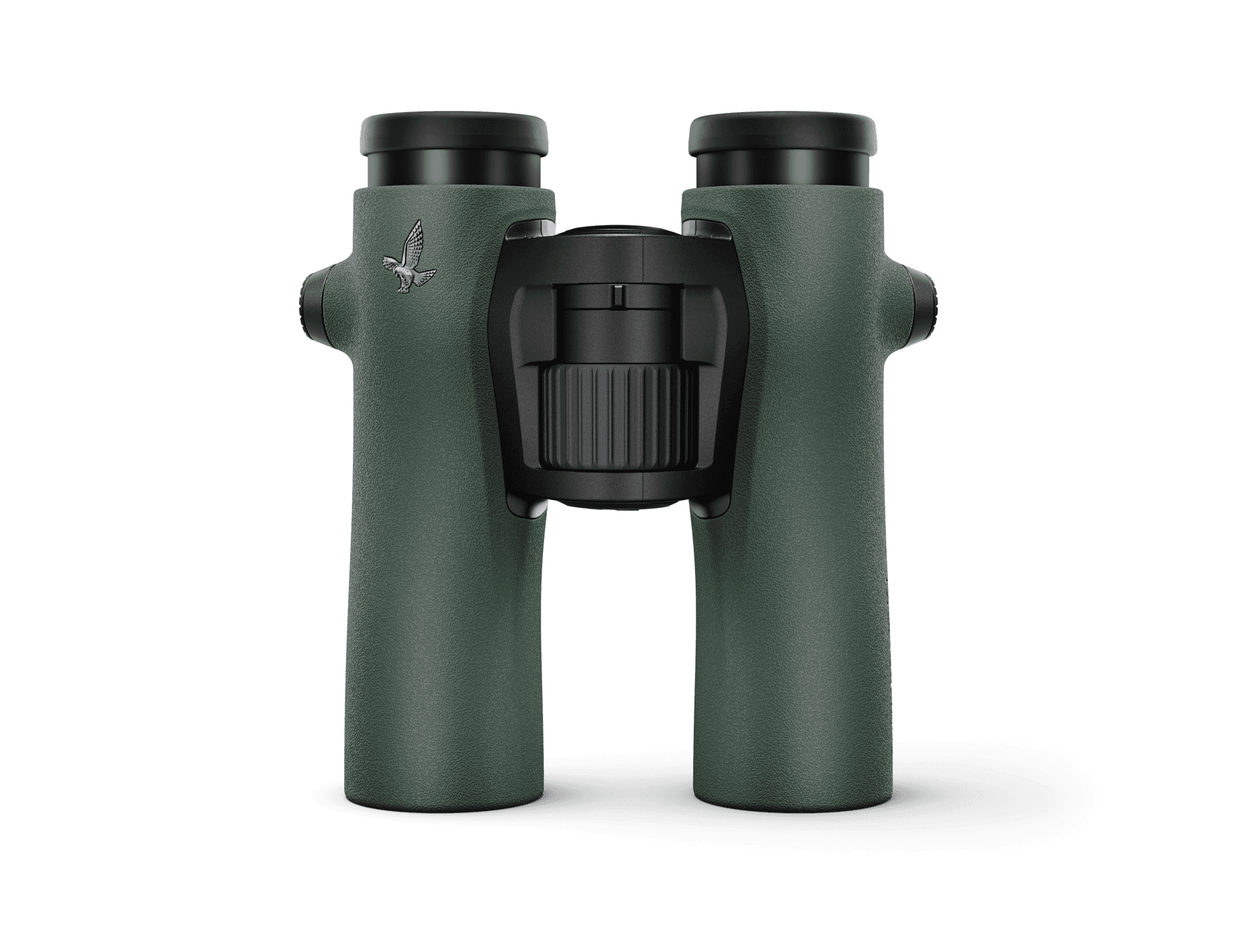
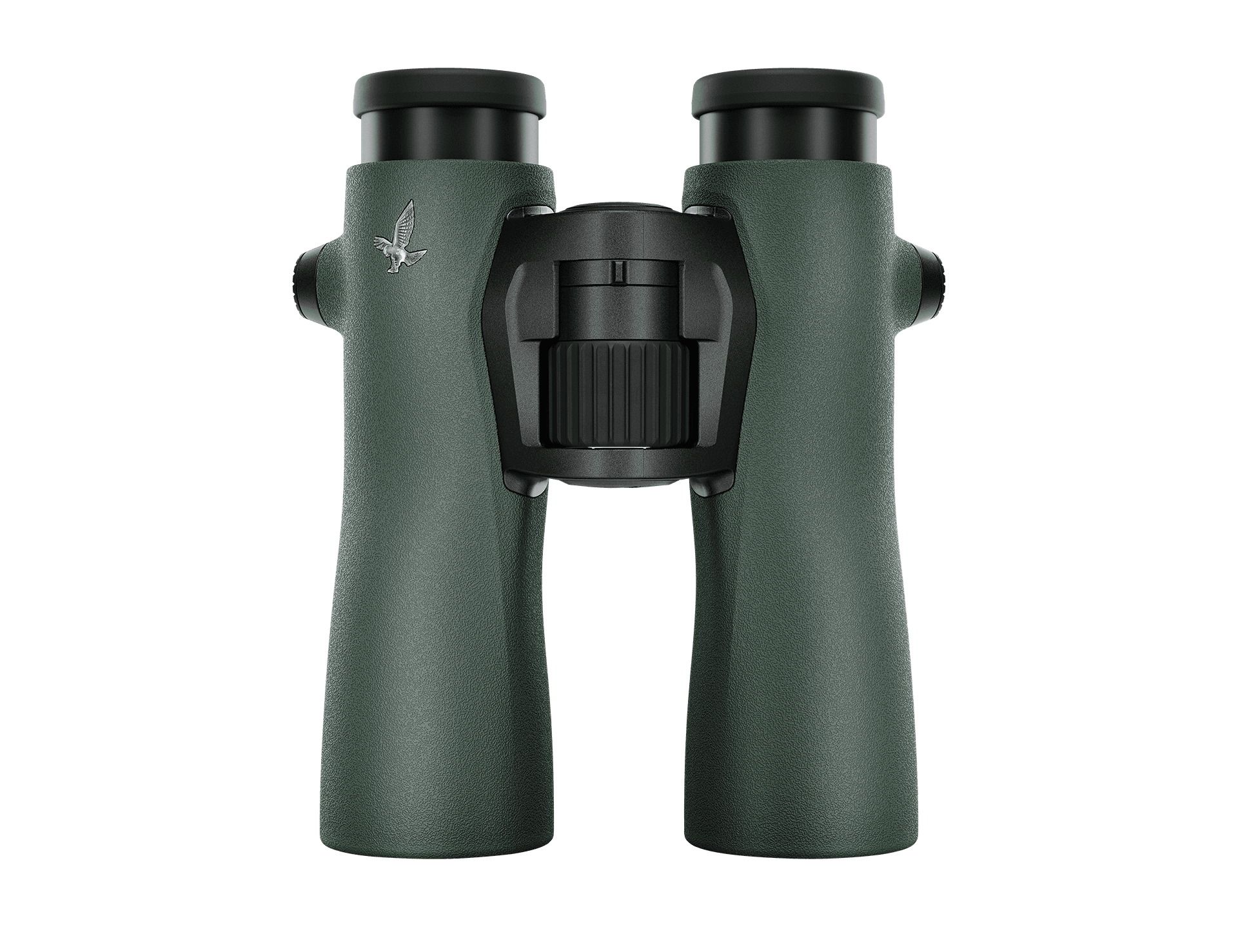
Swarovski NL Pure 8x32
8×32640 gfield 150 mexit pupil 4 mmED glasswaterproofThe ergonomics here change everything. It sits in the hands unlike anything else, and the huge field gives a sensation of total immersion that is hard to describe.
Compare and see pricesStrengths
- Reference-class grip and handling
- Enormous field of view with no edge distortion
- 640 g with a perfectly judged balance point
The catch
The price sits at the very top of the market.
- 6
 ★84.4/100 hiking
Maven
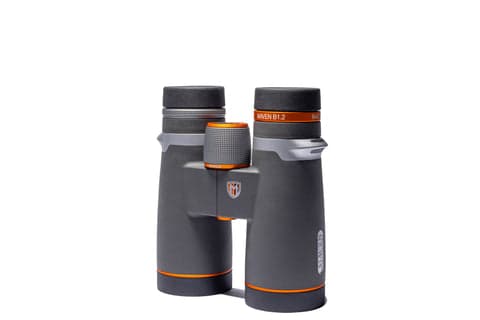
Maven B.1.2 8x42
8×42760 gfield 140 mexit pupil 5.3 mmED glasswaterproofThe best-kept secret among serious optics enthusiasts: genuine premium glass sold direct, without the brand markup. A lot of binocular for your money.
Compare and see pricesStrengths
- Direct-to-consumer model delivers premium optics at a fair price
- High-quality ED glass with a clean, accurate image
- Robust, purpose-built for outdoor use
The catch
Sold primarily online, so you may not find it in a local shop to try before you buy.
- 7
 ★83.9/100 hiking
Kite
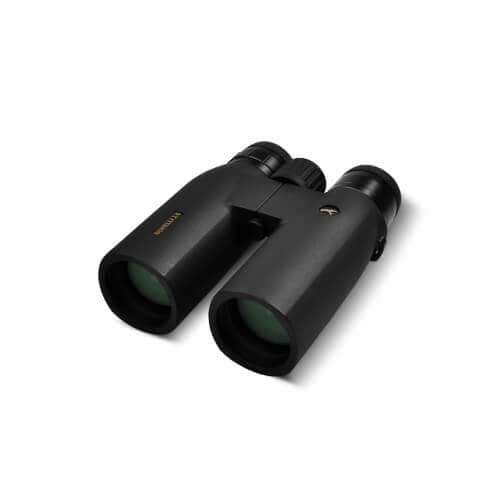
Kite Bonelli 2.0 8x42
8×42820 gfield 132 mexit pupil 5.3 mmED glasswaterproofThe safe bet for stepping into the upper tier without breaking the bank. A birding-focused brand that knows what field use actually demands.
Compare and see pricesStrengths
- ED glass at a price that does not require a remortgage
- Good brightness for dawn and dusk observations
- Versatile enough for birding, wildlife watching and general hiking
The catch
At 820 g it is among the heavier 42 mm models in the Top.
- 8
 ★83.0/100 hiking
Kowa
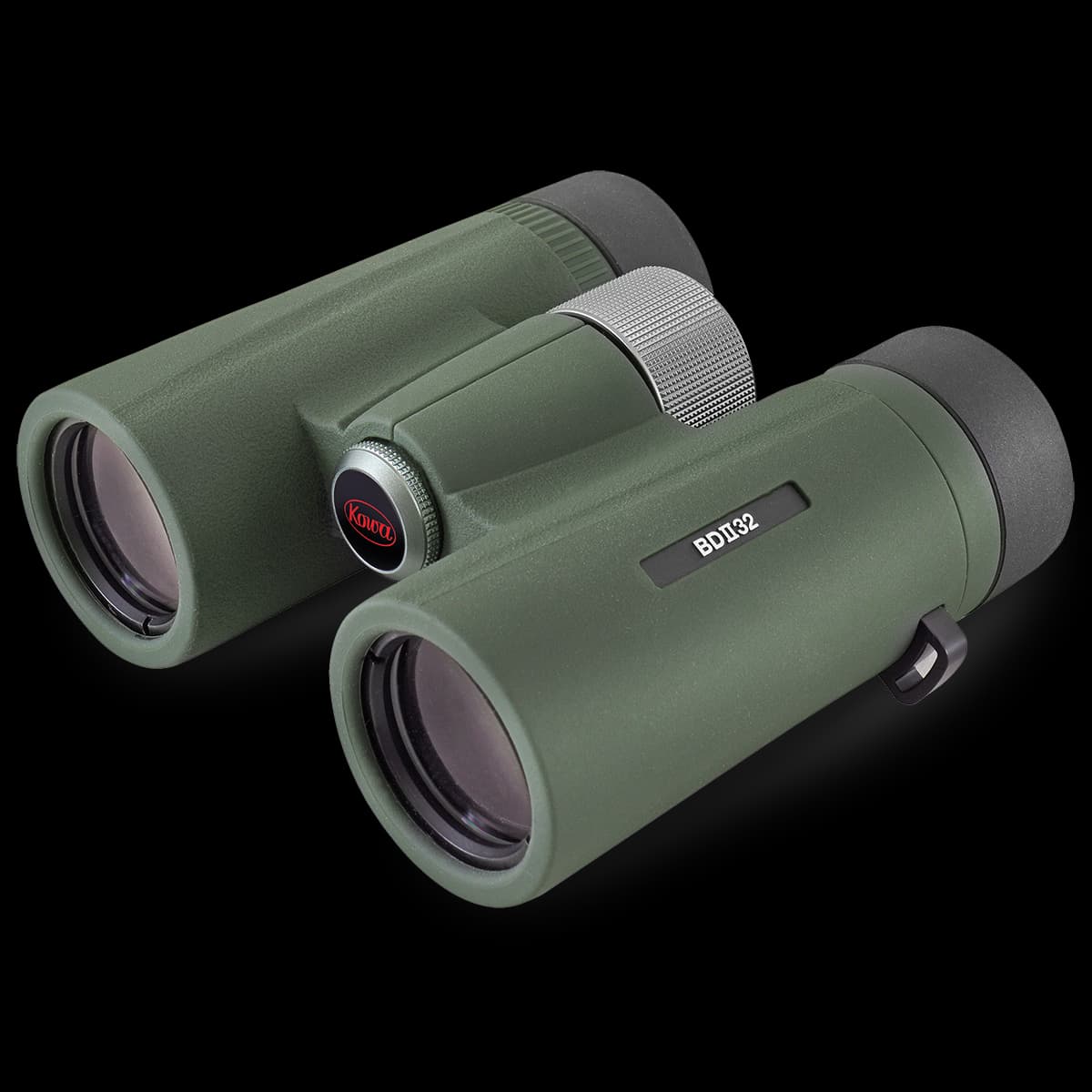
Kowa BDII-XD 6.5x32
6.5×32535 gfield 175 mexit pupil 4.9 mmED glasswaterproofThe widest field of view in my Top, in the lightest body on the list. Sweeping a hillside is a genuine pleasure, and the lower magnification keeps everything steady.
Compare and see pricesStrengths
- Record-wide field of view (175 m at 1000 m)
- 535 g, the lightest model in this Top 10
- The 6.5x magnification keeps the image remarkably stable
The catch
The lower 6.5x magnification means slightly less fine detail at long range.
- 9
 ★81.3/100 hiking
Bushnell
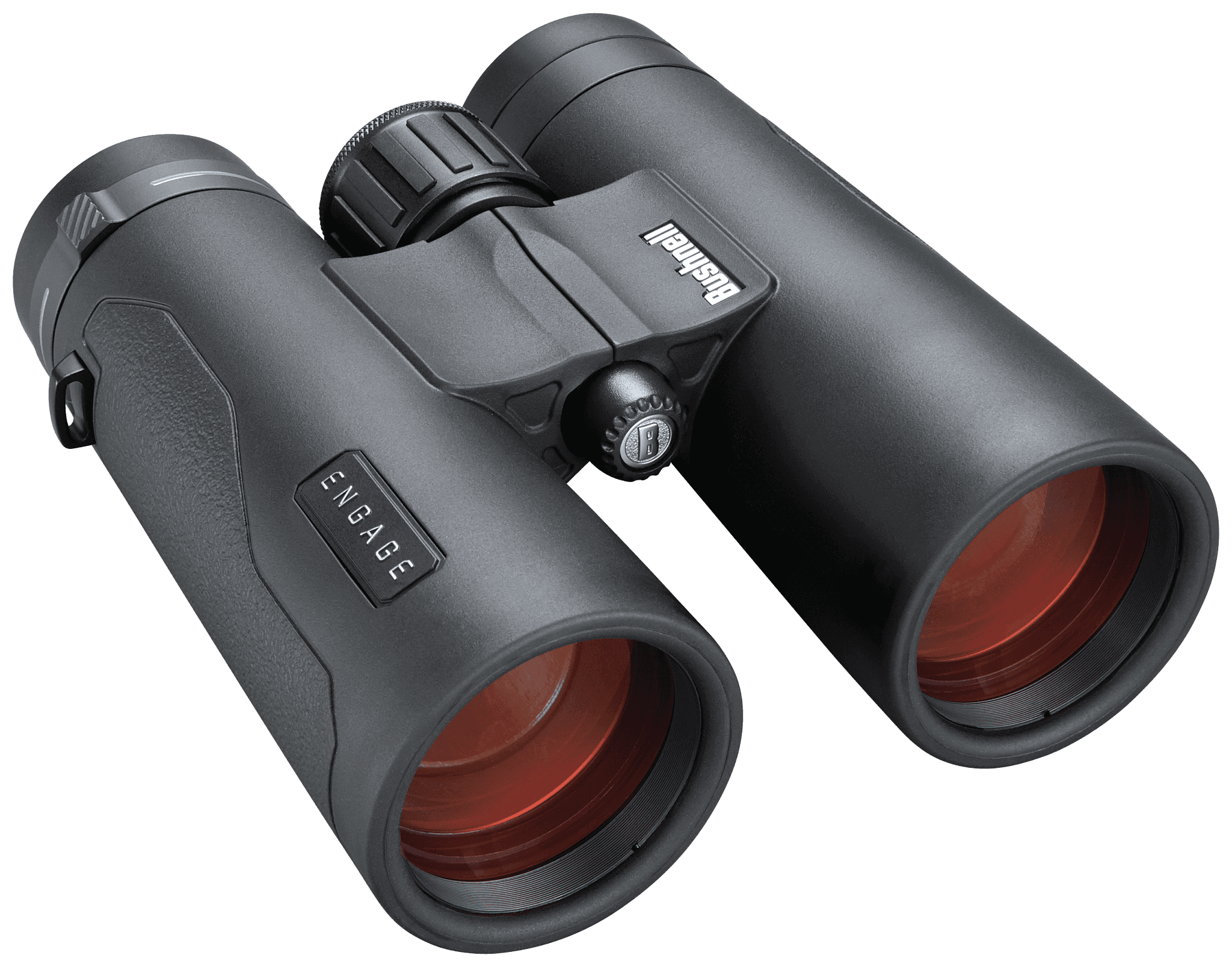
Bushnell Engage EDX 8x42
8×42726 gfield 142 mexit pupil 5.3 mmED glasswaterproofProof that you do not need to spend a fortune to see brilliantly. ED glass, waterproofing and a solid build, all at a price that leaves money in the kitty.
Compare and see pricesStrengths
- Outstanding value for money
- ED glass and full waterproofing as standard
- 726 g with a well-balanced feel in the hand
The catch
Build finish and focus-wheel smoothness do not quite match the premium tier.
- 10
 ★79.9/100 hiking
Pentax
Pentax ZD 8x43 ED
8×43715 gfield 110 mexit pupil 5.4 mmED glasswaterproofA robust classic that never lets you down. Bright, reliable and happy to take whatever the mountain throws at it.
Compare and see pricesStrengths
- Tough, fully waterproof construction
- ED glass for a bright, colour-accurate image
- A track record of proven reliability in the field
The catch
Narrow field of view (110 m at 1000 m) makes panning across a landscape less natural.
Best picks by budget
You do not need to spend a fortune to see well on the hill. Here, still ranked by the hiking score, are the best entry-level option and the best value-for-money pick in our database.
Best budget pick
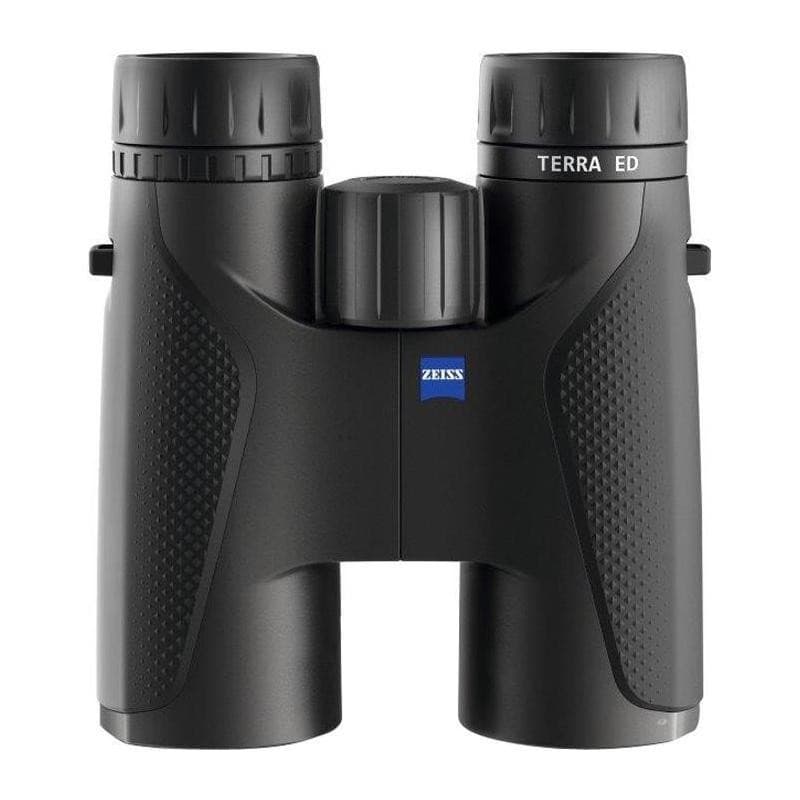
Zeiss Terra ED 8x42
8×42 · 725 g
Best value for money
Maven B.3 6x30
6×30 · 456 g
Refine your choice in the comparator
The Top 10 gives you my favourites. The comparator below is already set to the hiking profile: filter by budget, brand or format, and compare up to four pairs side by side.
288 models
Zeiss
Victory SF 8x32
Strengths: Ergonomics · Ruggedness
- 8×32
- 155 m
- 600 g
- 19 mm
- ⌀ 4.0 mm
- IC 16
Nikon
Monarch HG 8x42
Strengths: Ergonomics · Ruggedness
- 8×42
- 145 m
- 665 g
- 17.8 mm
- ⌀ 5.3 mm
- IC 18
Zeiss
Victory SF 8x42
Strengths: Ruggedness · Ergonomics
- 8×42
- 148 m
- 790 g
- 18 mm
- ⌀ 5.3 mm
- IC 18
Zeiss
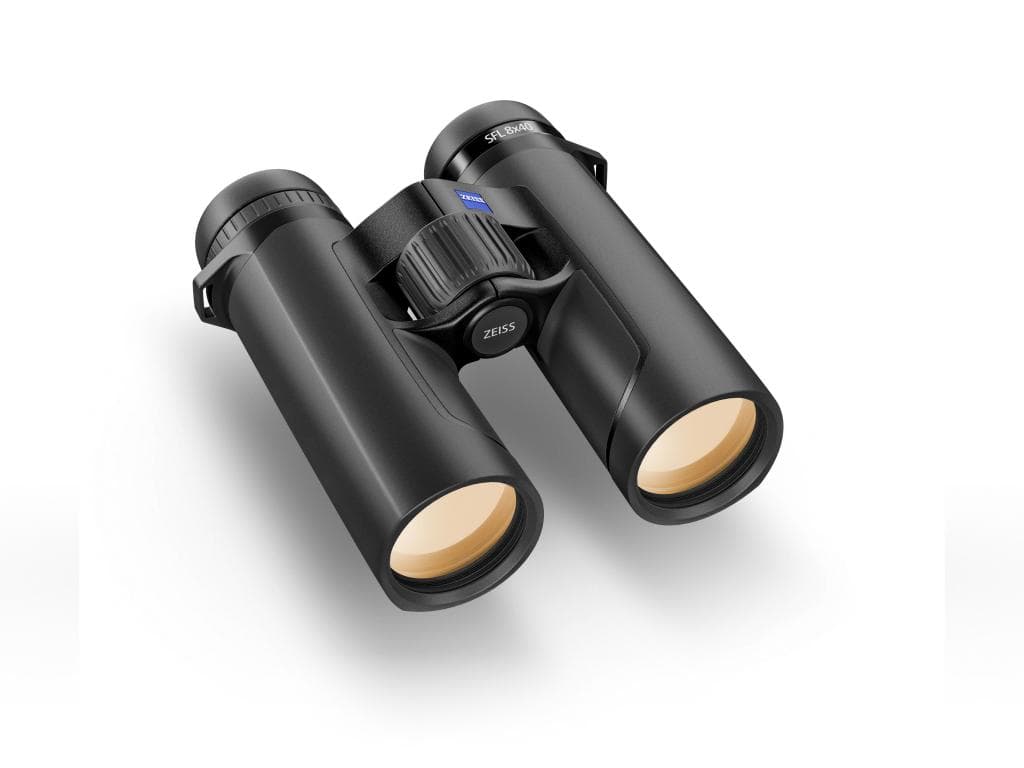
Victory SFL 8x40
Strengths: Ergonomics · Ruggedness
- 8×40
- 140 m
- 640 g
- 18 mm
- ⌀ 5.0 mm
- IC 18
Zeiss
Victory SFL 8x30
Strengths: Ergonomics · Ruggedness
- 8×30
- 142 m
- 460 g
- 18 mm
- ⌀ 3.8 mm
- IC 15
Leica
Noctivid 8x42
Strengths: Ergonomics · Ruggedness
- 8×42
- 135 m
- 853 g
- 19 mm
- ⌀ 5.3 mm
- IC 18
Vortex
Razor UHD 8x32
Strengths: Ergonomics · Field of view
- 8×32
- 157 m
- 621 g
- 18 mm
- ⌀ 4.0 mm
- IC 16
Nikon
Monarch HG 8x30
Strengths: Ergonomics · Ruggedness
- 8×30
- 145 m
- 450 g
- 16.2 mm
- ⌀ 3.8 mm
- IC 15
Zeiss
Victory SFL 8x50
Strengths: Ruggedness · Ergonomics
- 8×50
- 131 m
- 855 g
- 20 mm
- ⌀ 6.3 mm
- IC 20
Swarovski
NL Pure 8x32
Strengths: Ergonomics · Field of view
- 8×32
- 150 m
- 640 g
- 18 mm
- ⌀ 4.0 mm
- IC 16
Maven
B.1.2 8x42
Strengths: Ergonomics · Optical quality
- 8×42
- 140 m
- 760 g
- 18.1 mm
- ⌀ 5.3 mm
- IC 18
Swarovski
NL Pure 8x42
Strengths: Ergonomics · Field of view
- 8×42
- 159 m
- 840 g
- 18 mm
- ⌀ 5.3 mm
- IC 18
Kite
Bonelli 2.0 8x42
Strengths: Ergonomics · Ruggedness
- 8×42
- 132 m
- 820 g
- 18.5 mm
- ⌀ 5.3 mm
- IC 18
Maven
B.3 6x30
Strengths: Ergonomics · Field of view
- 6×30
- 149 m
- 456 g
- 18.3 mm
- ⌀ 5.0 mm
- IC 13
How I choose hiking binoculars
A pair that stays at the bottom of your rucksack is a pair that serves no purpose. Everything I look for makes observation easy and effortless over a long day on the trail. Here are my criteria, in order of importance.
- Weight above everything. You carry these for hours, often after a sharp climb with a full pack. Aim for under 700 g, ideally under 600 g with an 8x32 format. Every extra hundred grams makes itself felt across your neck and shoulders by mid-afternoon.
- 8x magnification as a baseline. The 8x is the best compromise for walking: close enough to pick out a peregrine on a crag or a chamois on a ridge, yet stable enough hand-held when you are breathing hard. A 10x brings subjects closer but trembles more; the 6.5x on the Kowa is wonderfully restful if you spend most of your time sweeping landscapes.
- 32 mm or 42 mm objective diameter. That second number is the diameter of the front lenses. The 32 mm wins on weight and compactness (the go-to for hiking), while the 42 mm gathers more light at dawn or under a forest canopy, at the cost of roughly 150 to 250 g extra.
- Exit pupil: the brightness number you actually need. The exit pupil is the small circle of light you see in the eyepiece, calculated by dividing the objective diameter by the magnification. Aim for at least 4 mm to stay bright in woodland or at dusk. An 8x32 delivers exactly 4 mm; an 8x42 gives you 5.25 mm.
- Waterproofing and nitrogen purging. Up in the hills you move between cold and warmth, rain and mist. A waterproofed, nitrogen-purged binocular will not fog internally, ever. That is not a luxury: it is an insurance policy against missing the moment.
- Roof prism body shape. A roof prism design gives you a straight, slender tube that is far more pocketable than the stepped Porro prism shape. It slides into a jacket pocket or a hipbelt pouch without snagging on anything.
- Eye relief for glasses wearers. Eye relief is the distance at which your eye takes in the full image. If you wear glasses, look for at least 15 mm, or you will lose the edges of the frame. Almost every model offers retractable eyecups to accommodate this.
- ED glass: worthwhile, not essential. Extra-low dispersion glass reduces colour fringing on high-contrast subjects, such as a bird silhouetted against a bright sky. A genuine bonus on mid-range and premium models, less noticeable at the entry level.
8x32 or 8x42 for hiking?
This is the real decision for most hikers. Both magnifications are identical; everything comes down to weight and brightness.
| Criterion | 8x32 | 8x42 |
|---|---|---|
| Weight | Lighter (450 to 600 g) | Heavier (650 to 850 g) |
| Size | Compact, pocketable | Standard |
| Brightness (exit pupil) | 4 mm | 5.25 mm |
For pure hiking I lean towards the 8x32: the weight difference is real and compounds across a long day. If you are regularly out at dawn or in dense woodland, the 8x42 earns its extra grams in brightness.
Which pair suits your kind of hiking
Not all hikes are the same. Here is what I target depending on the type of day out.
| Your outing | What I look for |
|---|---|
| Day walk | 8x32, compact, under 600 g |
| Multi-day backpacking | 8x32 or 8x25, keep it minimal |
| Wildlife watching in the mountains | 8x42, bright and waterproof |
| You wear glasses | Eye relief of at least 15 mm |
| Tight budget | Entry-level 8x42, waterproof as standard |
How to carry and care for your hiking binoculars
Choosing the right model is half the job. The other half is having it ready to hand in an instant and keeping it in good condition. Here is what I do in the field.
- A harness beats a neck strap every time. A traditional neck strap lets the binoculars swing against your chest and hauls on the back of your neck during a long climb. A binocular harness (elasticated shoulder straps) distributes the weight and holds the pair flat against your chest. The difference on a steep ascent is night and day.
- Quick access matters more than you think. A binocular buried at the bottom of a rucksack is one you will never bother to use. Keep it on your chest or in an accessible hip pocket and you will double the number of observations you make in a day.
- Protect the glass. Replace the eyepiece caps when you are not observing, and tuck the pair into a soft case or deep in the pack when you are scrambling or caught in a downpour. A scratch on the objective lens cannot be undone.
- Dealing with condensation. Bringing a cold binocular into a warm car or hut in winter will cause external condensation. Let it acclimatise for a few minutes rather than wiping it down and risking smears. Nitrogen purging handles internal fogging, which is a completely separate issue.
- Cleaning the lenses properly. Blow loose dust off first, then use a lens brush or a microfibre cloth. Never use your T-shirt: the grit embedded in fabric will scratch the coatings. A single drop of optical cleaning fluid is all you need for fingerprints.
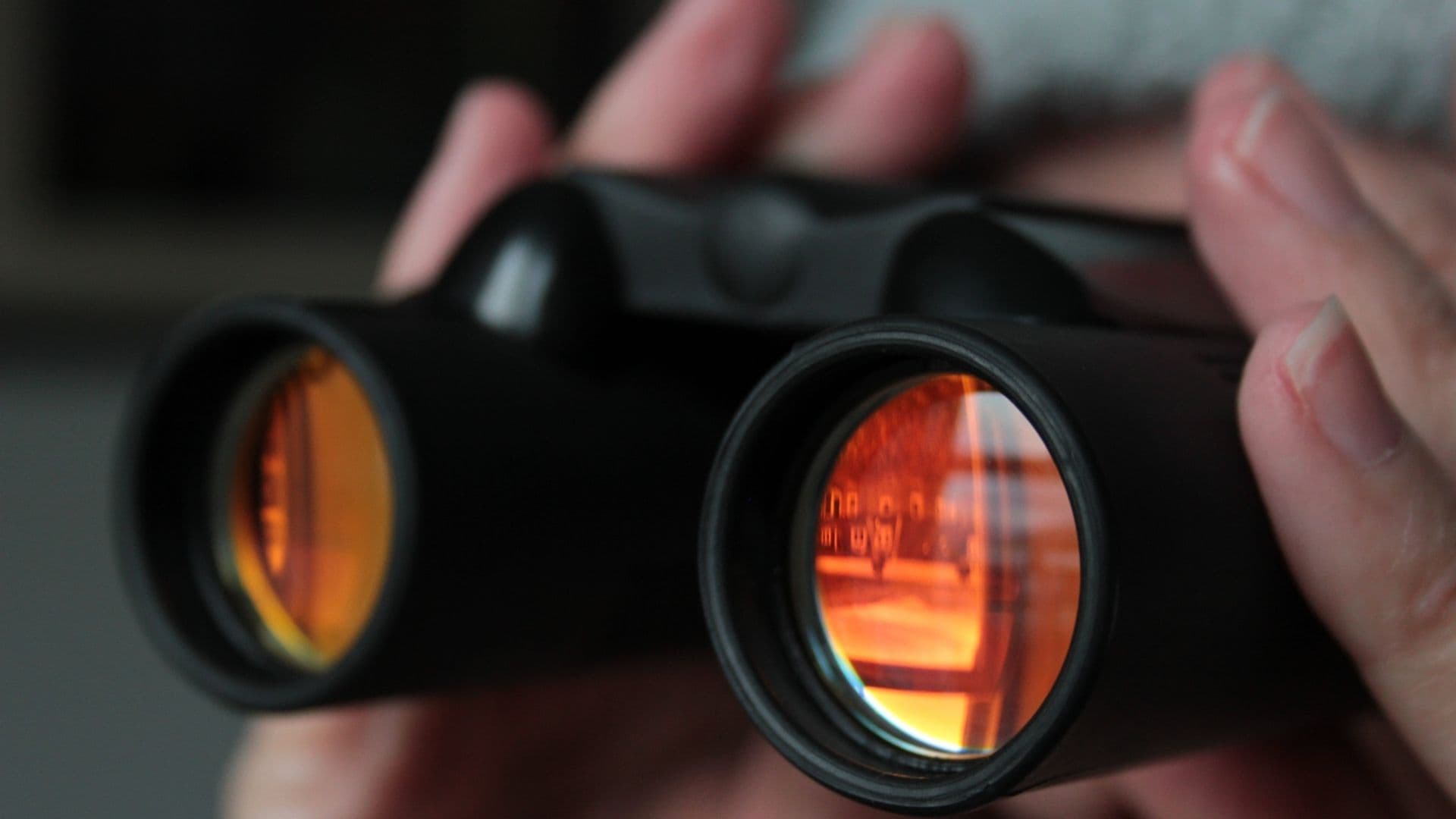
One final habit worth building: set the dioptre ring once (eye by eye) and note your value. You will get a perfectly sharp image the moment you raise the binoculars, every outing, without fiddling.
FAQ: best binoculars for hiking
What magnification is best for hiking binoculars?
8x is the sweet spot for most hikers. It brings subjects close enough to identify a bird on a rock face or a deer on a hillside, yet stays stable hand-held even when you are breathing hard. Above 10x, the image shakes too much and the body tends to get heavier. The 6.5x on the Kowa BDII-XD is a pleasant exception if you mainly scan wide landscapes.
Should I choose 8x32 or 8x42 for hiking?
The 8x32 is lighter and more compact, which makes it the first choice for day walks and backpacking trips where every gram counts. The 8x42 is heavier but noticeably brighter at dawn, dusk or under a tree canopy. For hiking as a primary use, I recommend the 8x32 unless you spend a lot of time observing in poor light.
How heavy should hiking binoculars be?
Aim for under 700 g, and ideally under 600 g if you are going for a compact 8x32 format. A good 8x32 typically comes in between 450 and 600 g. Over a full day on the trail, every extra hundred grams makes itself felt across your neck and shoulders.
What are the best budget hiking binoculars?
Look at the waterproof entry-level range: models such as the Nikon Prostaff P3, Vortex Diamondback HD or Zeiss Terra ED deliver a clean, bright image in good daylight without a premium price tag. The best budget pick above from our database is updated regularly and reflects current availability.
Are compact binoculars good enough for hiking?
Compact 8x25 models are superb for weight-obsessed backpackers, but the smaller 25 mm objective lets in less light, which limits them at dawn and dusk. For most day walkers I recommend an 8x32: it is nearly as compact, noticeably brighter and still under 600 g on the better models.
Do I need a harness for hiking binoculars?
Once you are spending several hours on the trail or tackling any real ascent, yes. A binocular harness spreads the load across your shoulders and keeps the pair flat against your chest rather than swinging free and pulling on your neck. It is the single accessory that makes the biggest difference to comfort on a full day out.
About the author
Teddy
Teddy is an adventure and travel photographer based in Vannes, Brittany, with nearly ten years spent observing wildlife through optics. He helps nature enthusiasts choose binoculars and spotting scopes without the jargon.