Top pick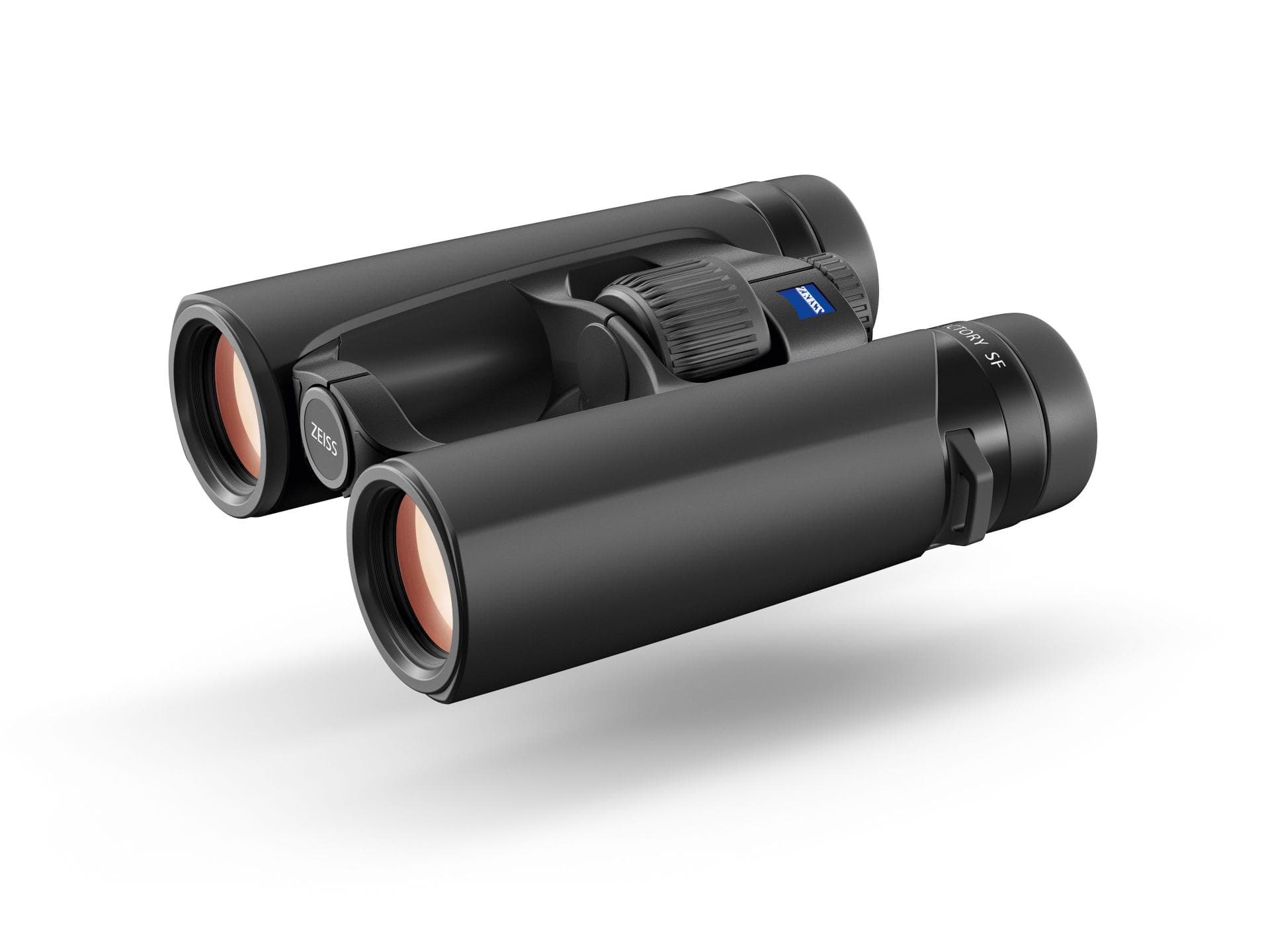
Zeiss
Victory SF 8x42
89Fit
Strengths: Optical quality · Field of view
- 8×42
- 148 m
- 790 g
- 18 mm
- ⌀ 5.3 mm
- IC 18
PremiumRoofEDWaterproof
We rank the best models by use, align the specs without jargon, and you compare side by side. A comparison for birdwatching, wildlife, safari and hunting.

Swarovski NL Pure
8×42 · ornithologie
Birdwatching fit
Choose your activity: we rank the binoculars by relevance for that use, showing why. Filter, align the specs, compare side by side.
288 models
Zeiss
Victory SF 8x42
Strengths: Optical quality · Field of view
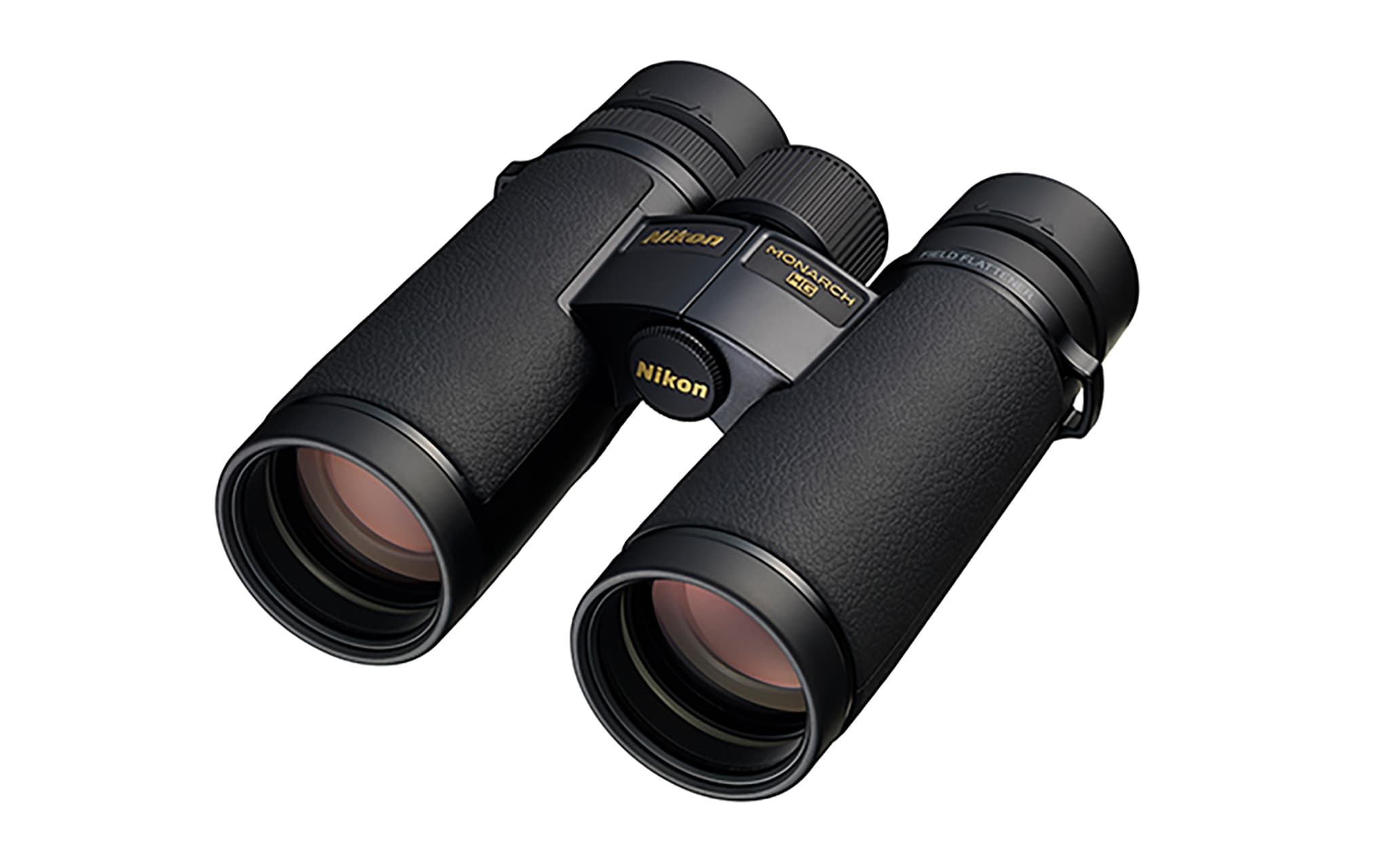
Nikon
Monarch HG 8x42
Strengths: Optical quality · Field of view
Zeiss
Victory SF 8x32
Strengths: Field of view · Optical quality
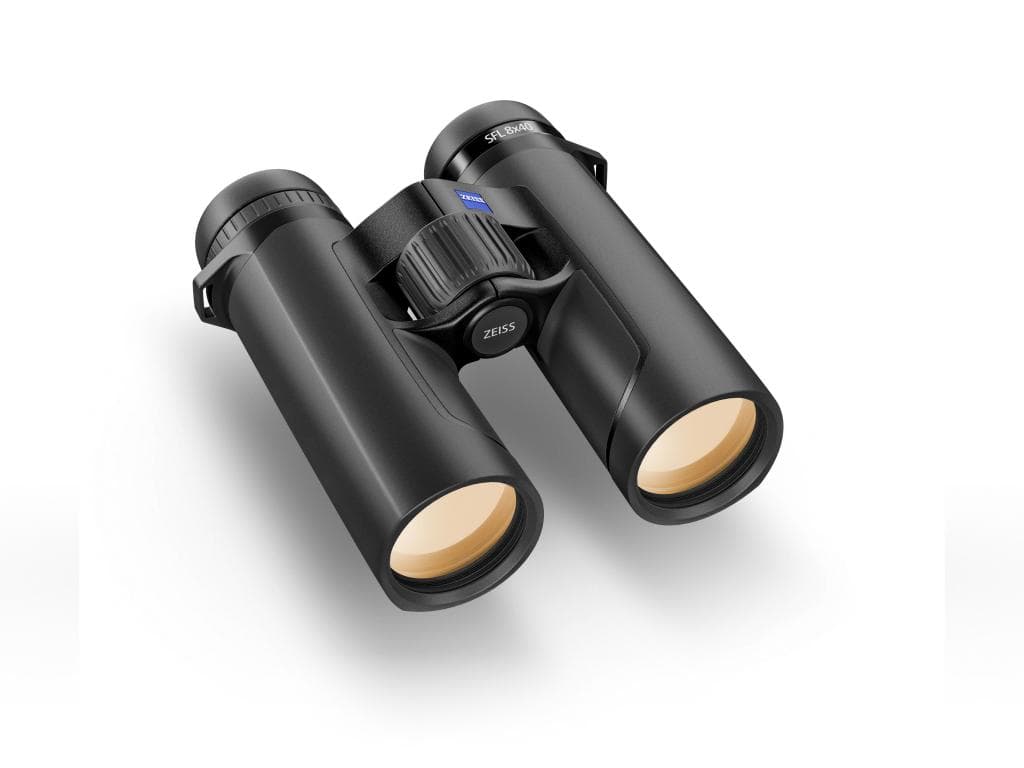
Zeiss
Victory SFL 8x40
Strengths: Optical quality · Field of view
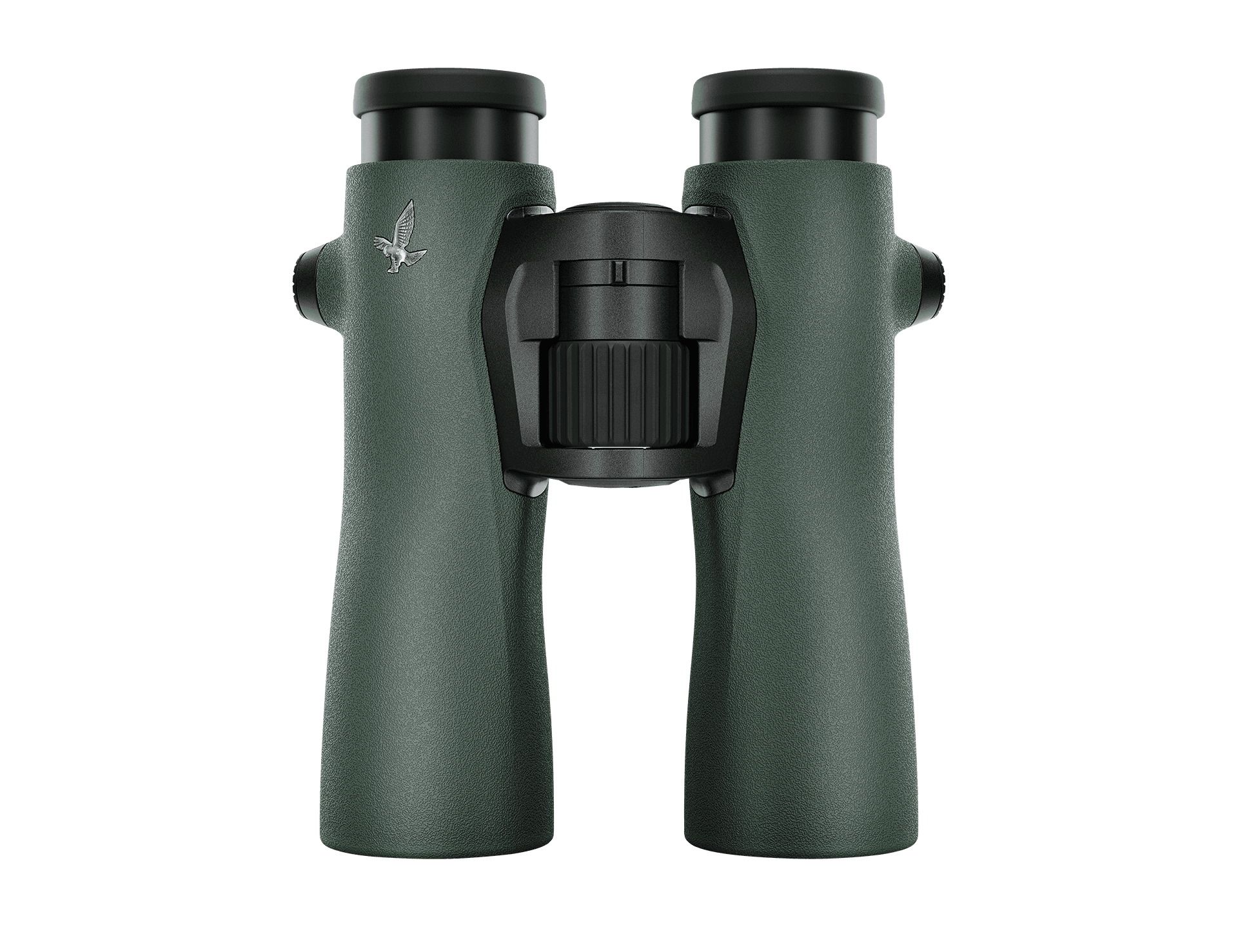
Swarovski
NL Pure 8x42
Strengths: Field of view · Optical quality
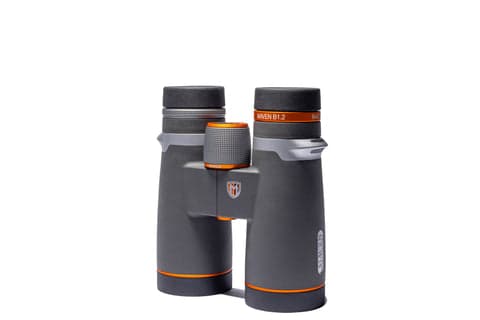
Maven
B.1.2 8x42
Strengths: Optical quality · Field of view
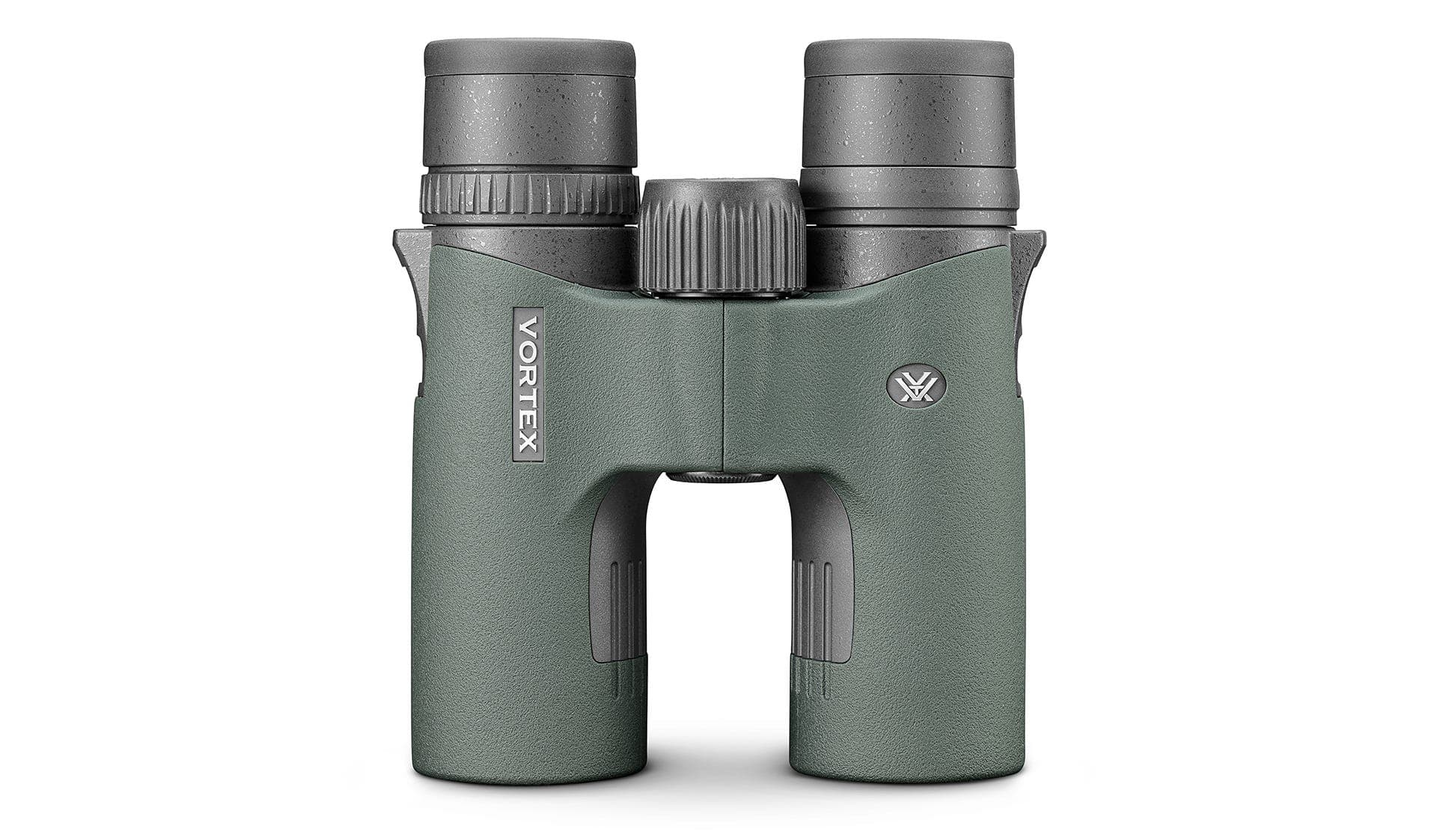
Vortex
Razor UHD 8x32
Strengths: Field of view · Optical quality
Zeiss
Victory SFL 8x30
Strengths: Optical quality · Field of view
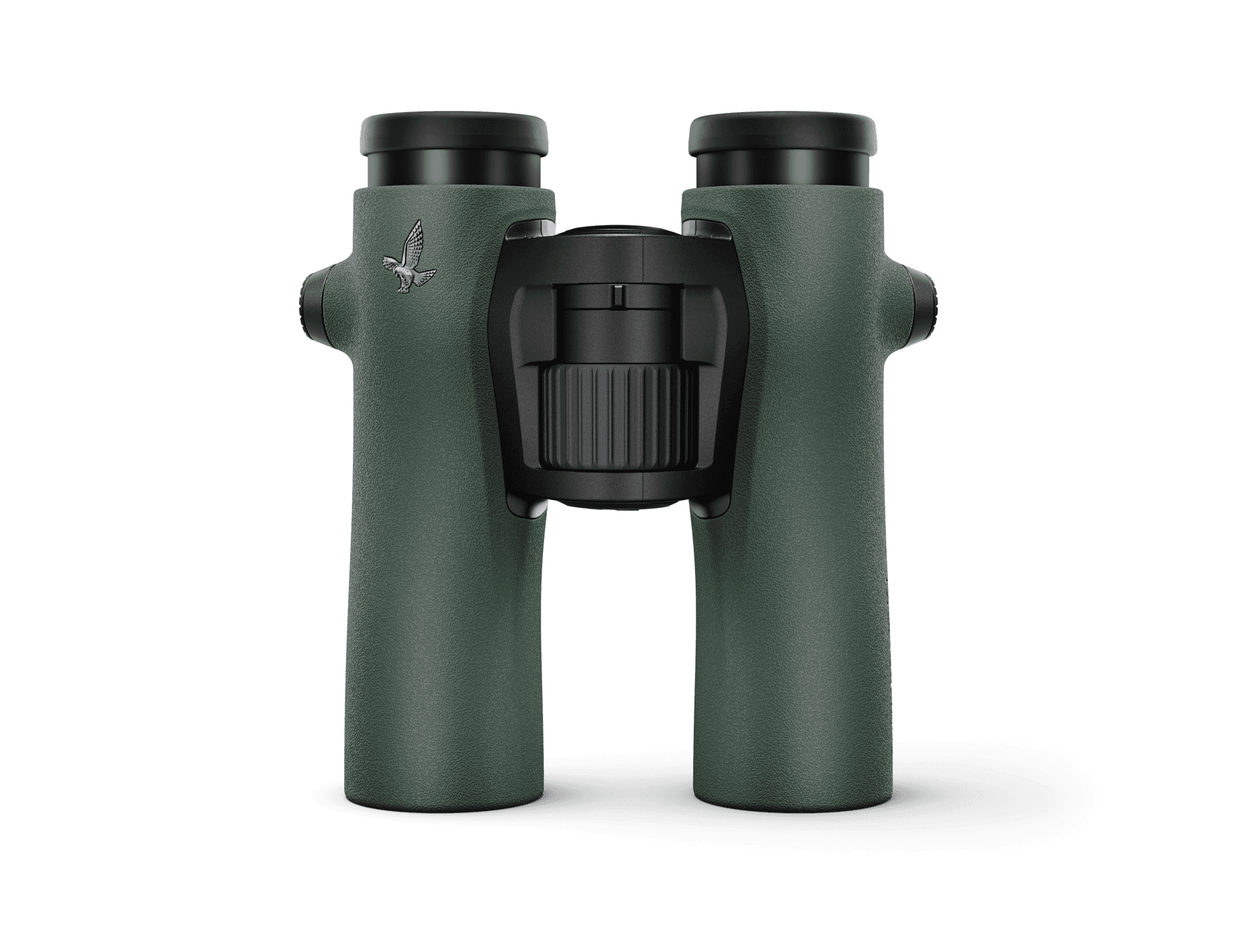
Swarovski
NL Pure 8x32
Strengths: Field of view · Optical quality
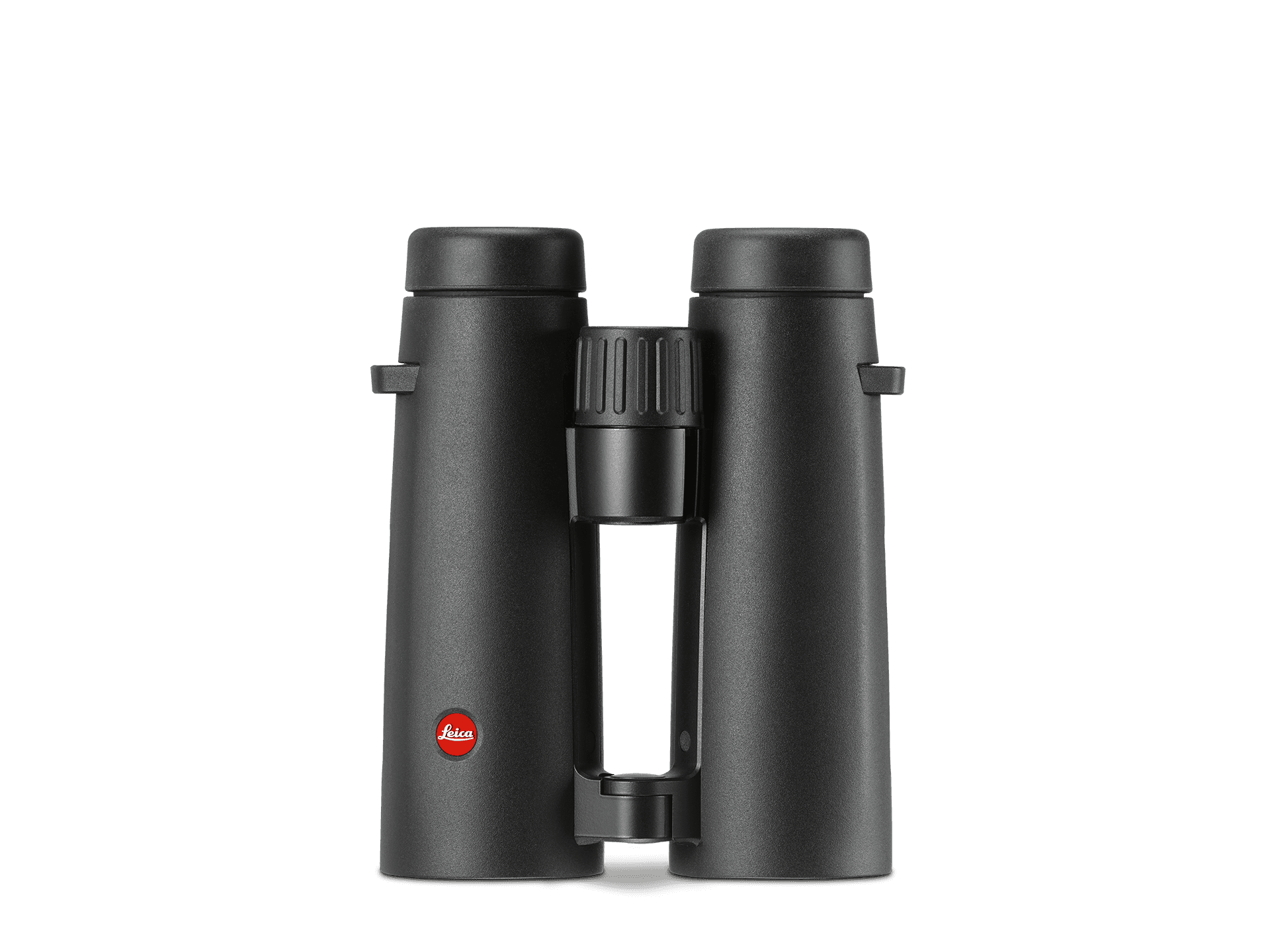
Leica
Noctivid 8x42
Strengths: Optical quality · Field of view
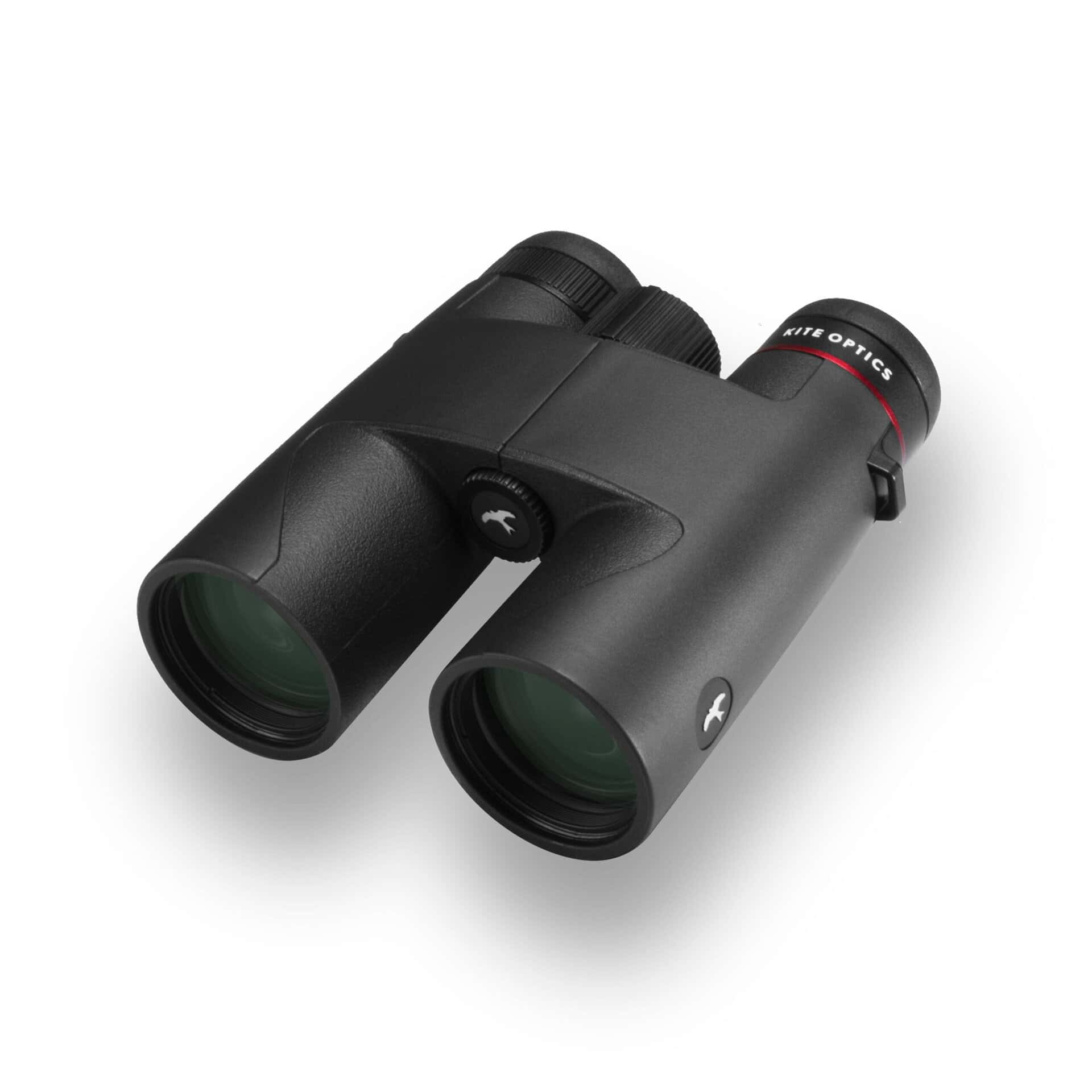
Kite
Lynx HD+ 8x42
Strengths: Field of view · Optical quality
Zeiss
Victory SFL 8x50
Strengths: Optical quality · Ergonomics
Kite
Bonelli 2.0 8x42
Strengths: Optical quality · Field of view
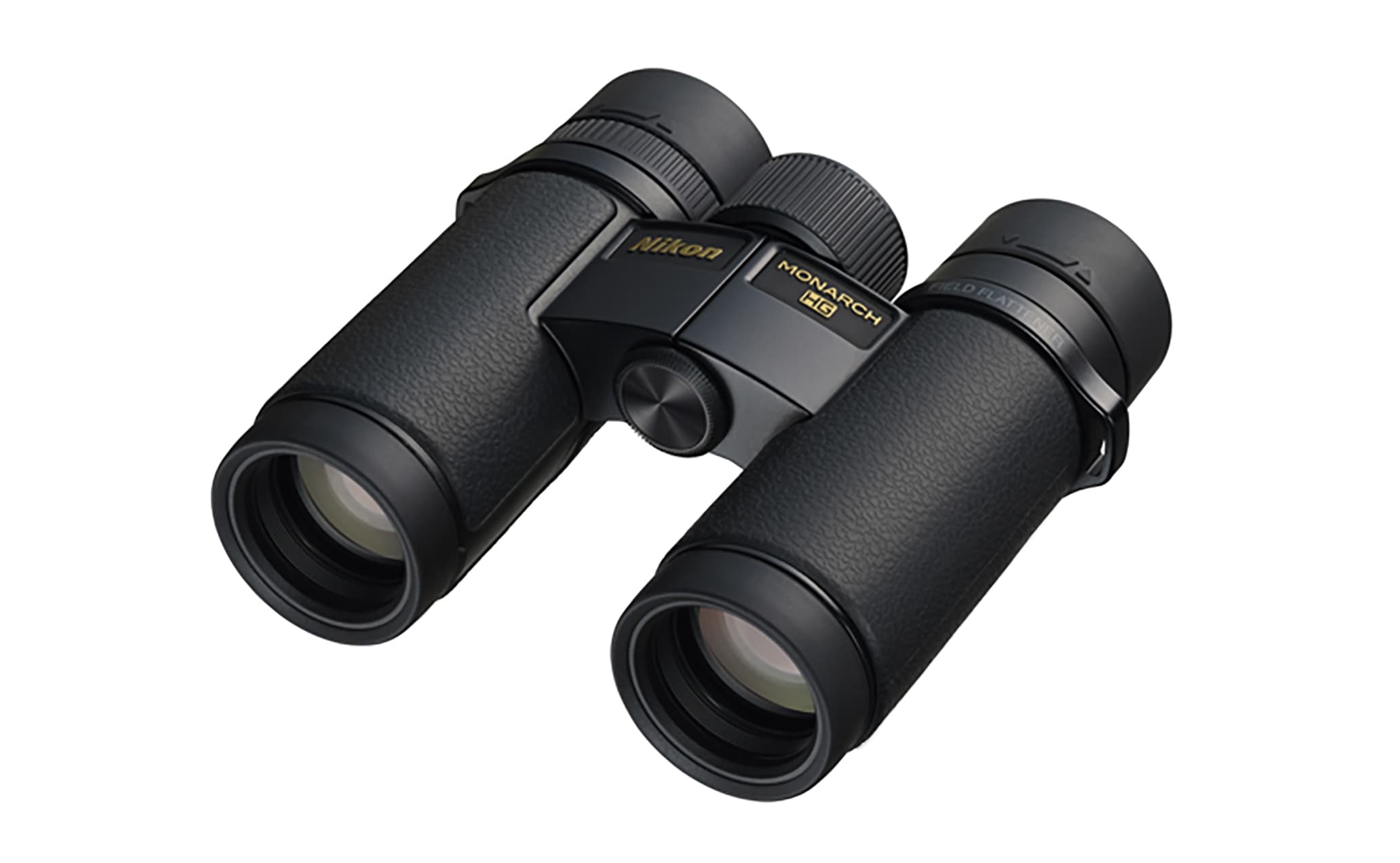
Nikon
Monarch HG 8x30
Strengths: Optical quality · Field of view
Choose your terrain: the comparison tool adjusts to your needs.
The comparison tool just above does the heavy lifting. This guide teaches you to read a spec sheet at a glance and spot the pair made for you.
You want a proper binoculars comparison, not a list of copy-pasted spec sheets. I'm Teddy, a travel photographer. I've spent almost ten years looking at the world through optics, and I struggled for a long time to choose my own. Here's the method I wish I'd had.
How do you use it? You pick your activity in the comparison tool, it ranks the models by relevance and shows a fit score. Then you filter by format, brand or budget, and you compare up to four pairs side by side. This guide explains the why behind each number.

I don't lab-test the dozens of models on the market, nobody really does. I cross four sources, and I always tell you where I'm speaking from. When I've held a model in my hands, I say so. When it's a documented synthesis, I say that too: no fake "tested in the field", and that's what makes a comparison trustworthy.
Maker's specs
Which I know how to read and decode. Not every spec sheet is equal.
Expert reviews
The recognised references in the field, which I cross-check against each other.
Field feedback
The birdwatching, wildlife and hunting communities who use them every day.
My photographer's eye
To judge the glass, the coatings and the ergonomics.
The comparison tool's fit score follows the same logic: it weights the criteria according to your activity. A pair that's perfect for astronomy isn't the best for tracking a swift in flight. The ranking adjusts to you, not the other way round. And I've no reason to oversell you a model: if a budget-friendly pair does the job for your use, the tool brings it to the top. That's the whole point of starting from the use rather than the price.
On a spec sheet, everything looks alike. Here are the seven criteria I look at first, and what they change in the field.
Two numbers sum up a pair, for example 8x42. The 8 is the magnification: the bird looks 8 times closer. The 42 is the diameter of the front lenses, in mm. The bigger it is, the more light the pair gathers at dawn or under the trees.
People often think more magnification is better. Wrong. Past 10x, the image shakes the moment your elbows aren't braced. The 42 mm is the versatile standard: drop to 32 mm to travel light, climb to 50 or 56 mm for the fading light of dusk.
It's the little circle of light that comes out of the eyepiece. You work it out simply: objective lens diameter divided by magnification. An 8x42 gives 5.25 mm.
At dawn, your own pupil opens up to 5 to 7 mm. If the exit pupil is smaller, the image looks dark. For low light, aim for at least 4 mm, ideally 5. In broad daylight it makes no difference: your pupil is closed down.
ED or HD glass reduces the colour fringing you get on high-contrast objects. A genuine plus on premium models, not magic on entry-level ones.
Coatings boost light transmission and contrast. The roof prism gives a slim, compact barrel (the modern standard), the Porro gives lovely depth for less money. Neither is better in absolute terms.
The width of what you see, in metres at 1000 m. The wider it is, the easier it is to follow a bird in flight or sweep across a landscape. A good 8x42 often sits around 130 to 140 m, and premium models climb beyond 150 m.
A wide field is a precious luxury in birdwatching: you find your subject faster and keep it in view when it moves. To compare two pairs, always look at the field at the same magnification. An 8x will almost always be wider than a 10x.
A pair that's too heavy stays at home. A 42 mm often weighs 650 to 850 g, a 32 mm can drop below 500. Past an hour of watching, the difference shows in your neck and your arms.
Ergonomics also means the focus wheel (smooth or not) and the eye relief: if you wear glasses, aim for at least 15 mm, otherwise you lose the edges. My advice: between two close models, take the lighter one, you'll use it more often.
Outdoors there's rain, mist and dust. A good pair is waterproof and nitrogen-purged, which stops internal fogging when you move from cold to warm. Most serious models are these days: it's an insurance, not a marketing line.
The rubber armour protects against knocks and improves grip, especially with gloves. For the mountains or winter hunting, that's a real criterion. An industry standard isn't a fault, but its absence is one.
The nearest you can watch in sharp focus. Often forgotten, it changes everything for anyone who watches butterflies or dragonflies. A pair that focuses under 2 metres is a treat for close-up nature.
A simple benchmark: under 2 metres, you pick out a settled butterfly; between 2 and 4 metres, it's still fine; beyond that, forget the insects. It's free to check on the spec sheet, so you may as well look at it for your activity.
Torn between 8x42 and 10x42? That's THE question. Here are my benchmarks by activity: nothing is set in stone, but it saves you the classic mistakes.
Use
8×42
Wide field, steady image, bright under the trees. The all-rounder par excellence.
Use
8×32
Light and compact, perfect to carry all day in daylight.
Use
10×42
The magnification helps you pick out detail over long distances, in full light.
Use
8×42 / 10×42
Bright at dawn, waterproof, rugged. 8x in dense forest, 10x on the plains.
Use
8×56 / 10×50
Large exit pupil to gather as much light as possible at night.
Use
8×25 / 10×25
Fits in a pocket. You sacrifice brightness at dusk.
The 8x versus 10x debate comes down to this: the 8x is brighter, steadier and wider, the 10x brings things closer at the cost of a little shake. When in doubt, take the 8x. And if you wear glasses or watch for long stretches handheld, the 8x will tire you even less.
Prices run from a few tens to several thousand pounds. Here are the three big families. I'm sticking to ballpark figures, prices move all the time.
Entry-level
To get going or for occasional use. You already get waterproofing and a decent image in broad daylight. The trade-offs: less light in the evening, slightly soft edges, some colour fringing. More than enough to enjoy yourself and see if the passion sticks, without a big financial risk.
Mid-range
The best value for money, by a long way. ED glass, good coatings, careful ergonomics. This is where I tell most people to put their money. You keep them ten years with no regrets. For 80% of profiles, it's the right trade-off between performance and budget.
Premium
Transmission, edge-to-edge sharpness, flawless mechanics. The difference is real, but the returns diminish: you're paying for the last few percent. For demanding enthusiasts who go out in all weathers and want perfect viewing comfort for hours on end.
The comparison tool covers the market's major brands. In two lines, what I have in mind for each one.
 Swarovski
The absolute premium benchmark, the NL Pure leading the way.
e.g. Swarovski AX Visio 10x32
 Zeiss
ZeissThe other German giant. From the affordable Terra to the Victory SF.
e.g. Zeiss Victory HT 8x54
 Leica
LeicaSharpness and build, with renowned Geovid rangefinders.
e.g. Leica Geovid Pro 8x32
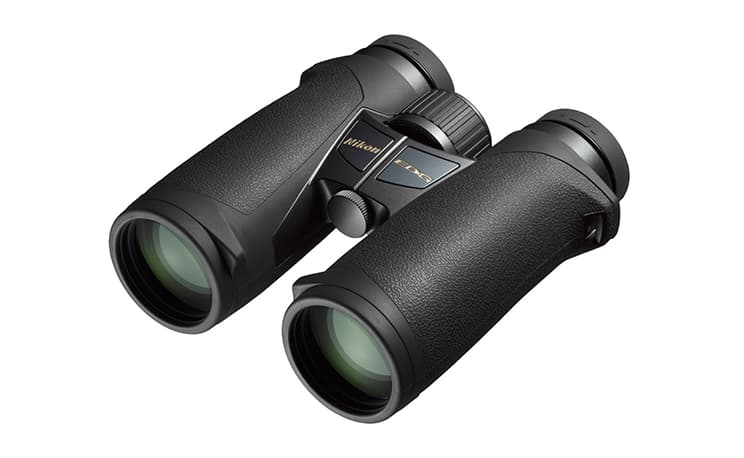 Nikon
NikonUnbeatable value for money, from the Prostaff to the Monarch HG.
e.g. Nikon EDG 7x42
 Kowa
KowaAn optics specialist, excellent in the mid-to-premium range.
e.g. Kowa Genesis Prominar 8x22
 Vortex
The lifetime warranty that reassures, with budget-friendly HD models.
e.g. Vortex Kaibab HD 18x56
 Bushnell
Solid entry and mid-range, the Forge at the top.
e.g. Bushnell Match Pro ED 15x56
 Kite
KiteThe rising birdwatching brand, very good in the field for the price.
e.g. Kite APC Stabilized 42 ED 12x42
And also Meopta, Steiner, Maven or Pentax, each with their own gems. The comparison tool sorts them out for you according to your activity.
Some names turn up in every comparison, because they're safe bets. Pointers by budget, not prices: the comparison tool shows you the up-to-date detail.
The Nikon Prostaff P3 and the P7 in 8x42 are honest entry-level pairs. For birdwatching, the Kite Falco and the Vortex Crossfire HD hold up really well. You get a clean image in daylight and waterproofing, enough to find your feet without breaking the bank.
The Nikon Monarch M7, the Zeiss Conquest HD, the Kite Bonelli 2.0, the Vortex Viper HD or the Maven: ED glass, lovely coatings, ones to keep for years. This is the patch where I spend the most time, because this is where the value for money is at its best.
The Swarovski NL Pure and the EL, the Zeiss Victory SF, the Leica Noctivid, the Nikon Monarch HG. Edge-to-edge sharpness, top-tier transmission, flawless mechanics. The difference is real in tricky light, it's up to you to judge whether it's worth the price gap.
The 8x42 is brighter, steadier and offers a wider field: it's my default choice, especially for birdwatching or in the forest. The 10x42 brings things closer, ideal on the plains, in the mountains or on safari, but the image shakes a little more handheld. When in doubt, take the 8x42.
The 8x is the consensus. You follow a bird in flight more easily thanks to the wide field, and the image stays steady. The 10x helps out in open habitats like marshes or estuaries, but it's less forgiving. Past 10x handheld, it becomes unmanageable.
On premium models, ED glass visibly reduces colour fringing and gains in sharpness. On entry-level ones, the benefit is more subtle, sometimes marketing. Put your money into a well-coated, well-built pair rather than the "ED" logo alone.
The mid-range offers the best value for money: ED glass, good coatings and genuine durability. That's where I tell most people to invest. Entry-level is enough to get started, premium is justified if you watch very often.
Three steps. First, spread the two barrels until you see a single circle. Next, close your right eye and focus with the central wheel. Finally, close your left eye and adjust only the dioptre ring (near the right eyepiece) to compensate for the difference between your two eyes. Memorise your dioptre setting.
Binoculars are your everyday tool: light, quick, handheld. A spotting scope magnifies far more (20x to 60x), on a tripod, to watch from a long way off and stay still, for example waders on an estuary or a perched raptor. Plenty of enthusiasts own both, but you always start with binoculars.
Teddy
Travel and adventure photographer based in Vannes for almost ten years. I watch wildlife through optics every day and I help nature enthusiasts choose their binoculars and spotting scopes, without the jargon.
No copy-pasted product sheets. Field testing, aligned figures and the right price at the right time.
Tested in the field, rated without flattery. We also tell you when it's not the right pair.
Magnification, field of view, weight, waterproofing: it's all comparable at a glance, without jargon.
Several retailers aggregated per model. You buy at a fair price, in full transparency.
The brands we compare
Enthusiasts who stopped dithering.
Filter by activity, align the specs, compare the prices. Your next pair is a few clicks away.