Best 10×42 Binoculars: Top Models Compared for Birdwatching and Beyond
Welcome to my comparison of the **best 10x42 binoculars**. The 10×42 is the format that brings distant subjects closest without sacrificing brightness or comfortable hand-holding. The comparison tool below is already set to 10×42: filter by brand, budget or activity, and every model gets a fit score matched to how you actually use your bins.
I'm Teddy, a travel and wildlife photographer who spends most of his time outdoors with optics around his neck. Underneath the tool, I'll give you my honest take on when the 10×42 is exactly the right call and when an 8×42 will serve you better, especially for birdwatching.
42 models
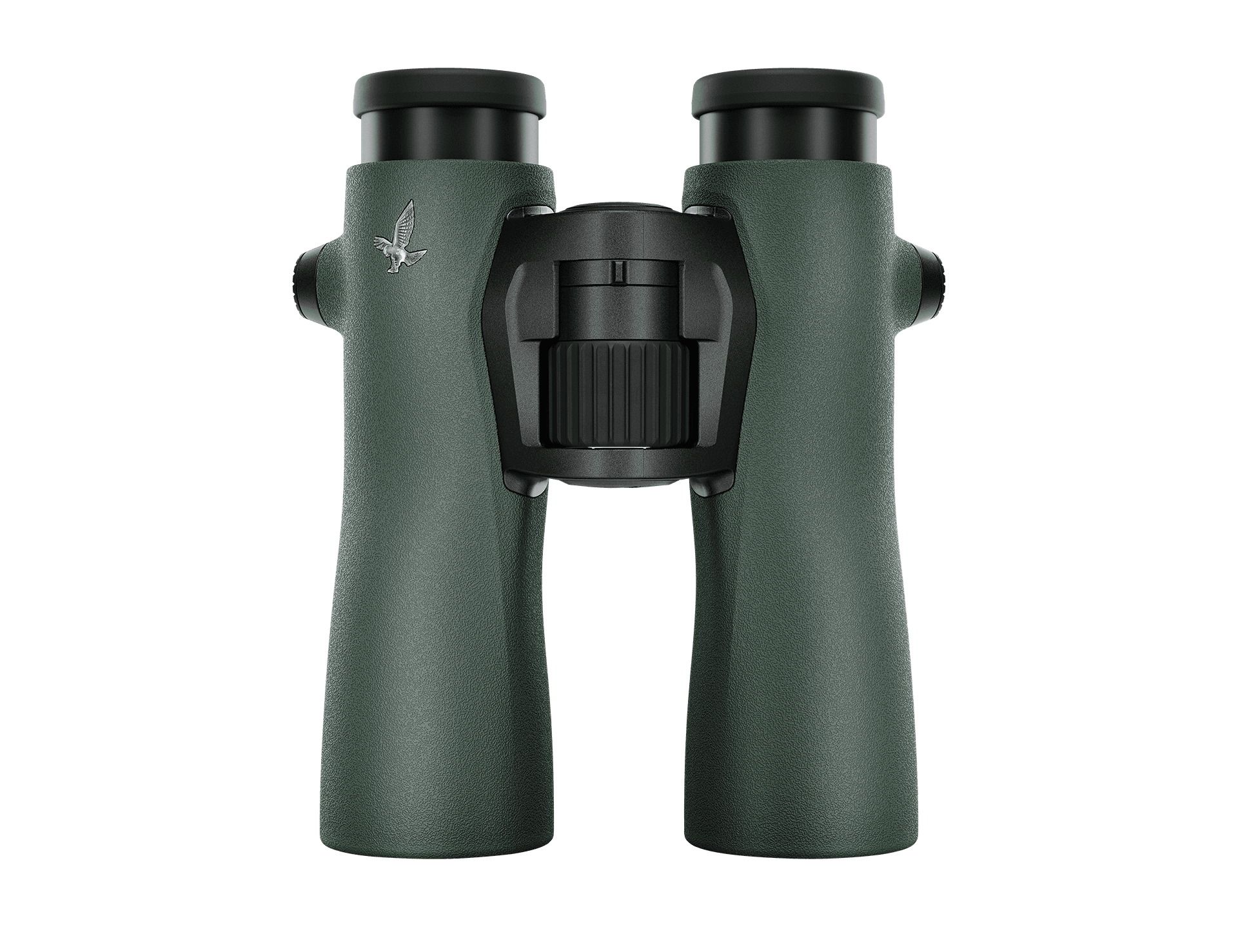
Swarovski
NL Pure 10x42
Strengths: Optical quality · Field of view
- 10×42
- 133 m
- 850 g
- 18 mm
- ⌀ 4.2 mm
- IC 20
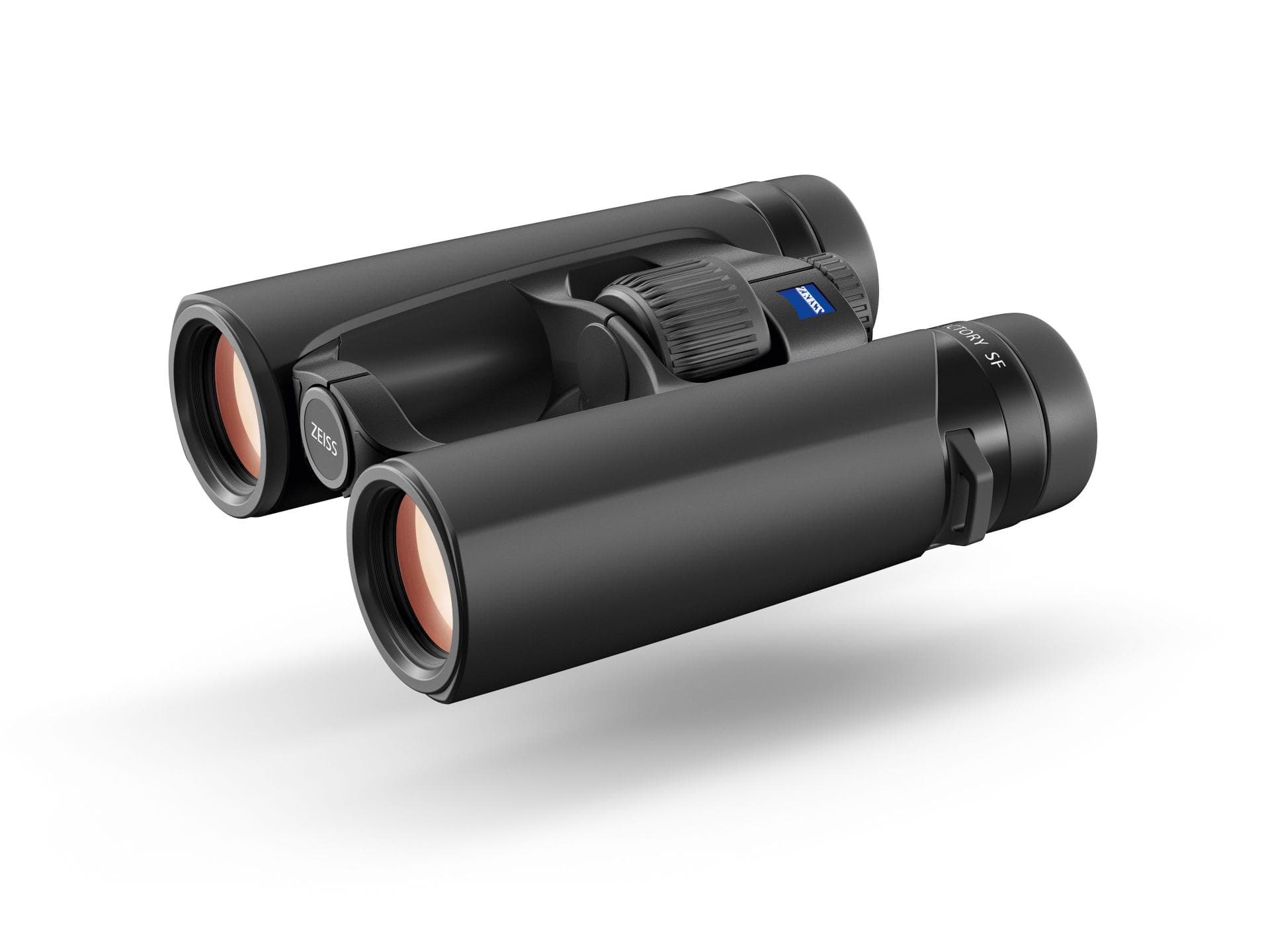
Zeiss
Victory SF 10x42
Strengths: Optical quality · Ergonomics
- 10×42
- 120 m
- 790 g
- 18 mm
- ⌀ 4.2 mm
- IC 20
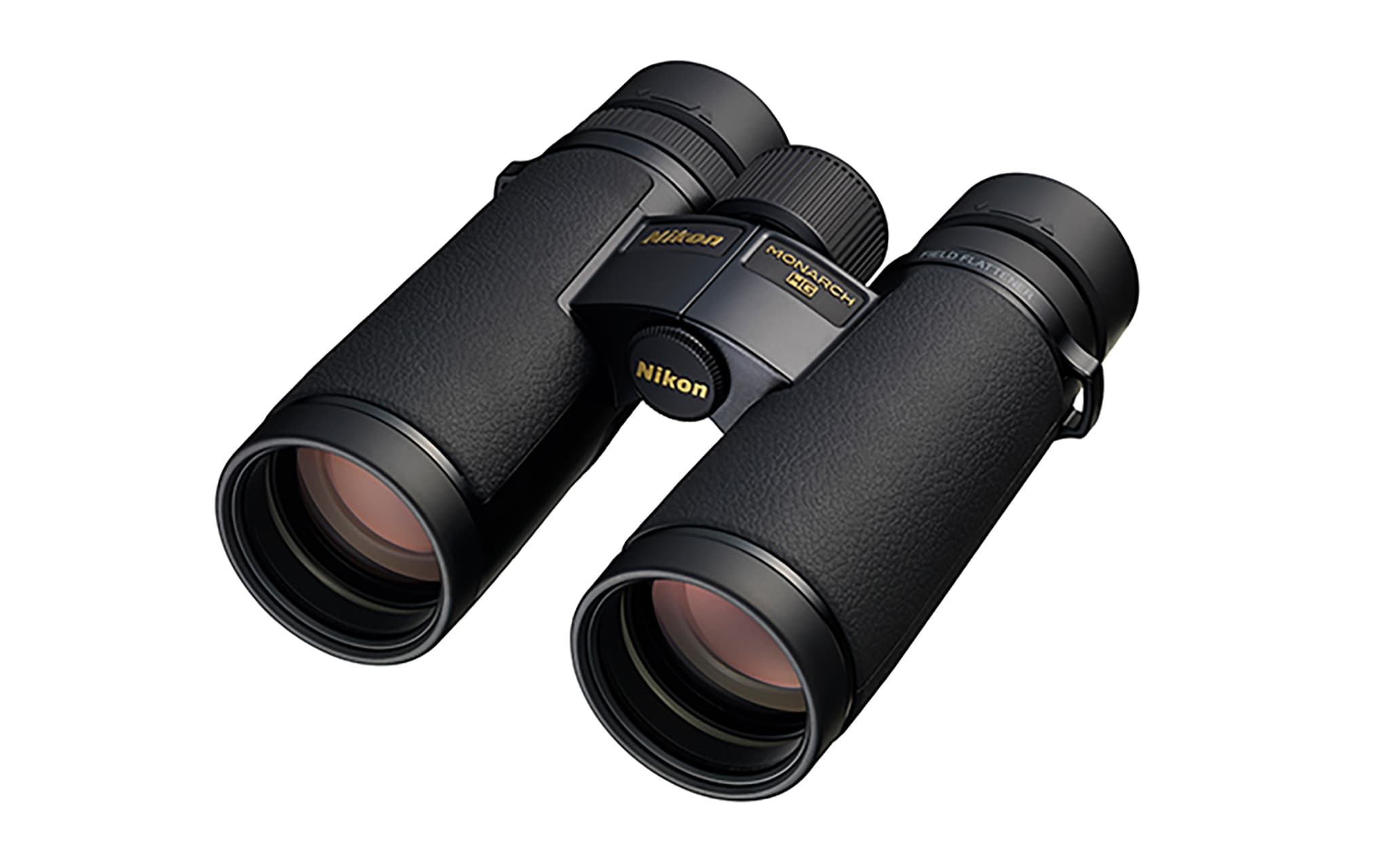
Nikon
Monarch HG 10x42
Strengths: Optical quality · Ergonomics
- 10×42
- 121 m
- 680 g
- 17 mm
- ⌀ 4.2 mm
- IC 20
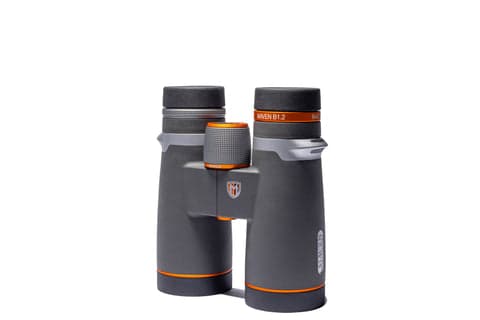
Maven
B.1.2 10x42
Strengths: Optical quality · Ergonomics
- 10×42
- 116 m
- 760 g
- 17.8 mm
- ⌀ 4.2 mm
- IC 20
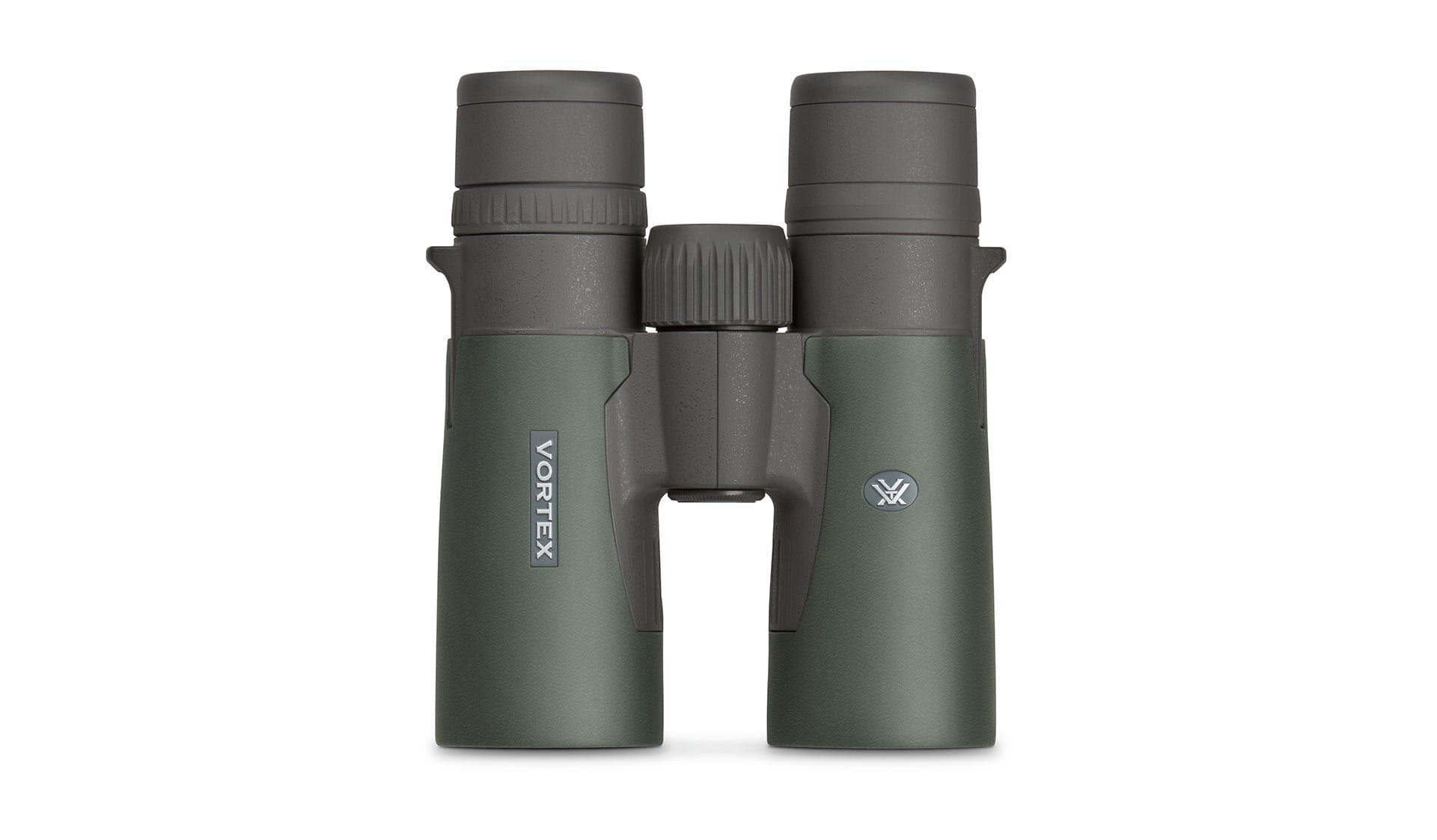
Vortex
Razor HD 10x42
Strengths: Optical quality · Ergonomics
- 10×42
- 121 m
- 703 g
- 16.5 mm
- ⌀ 4.2 mm
- IC 20
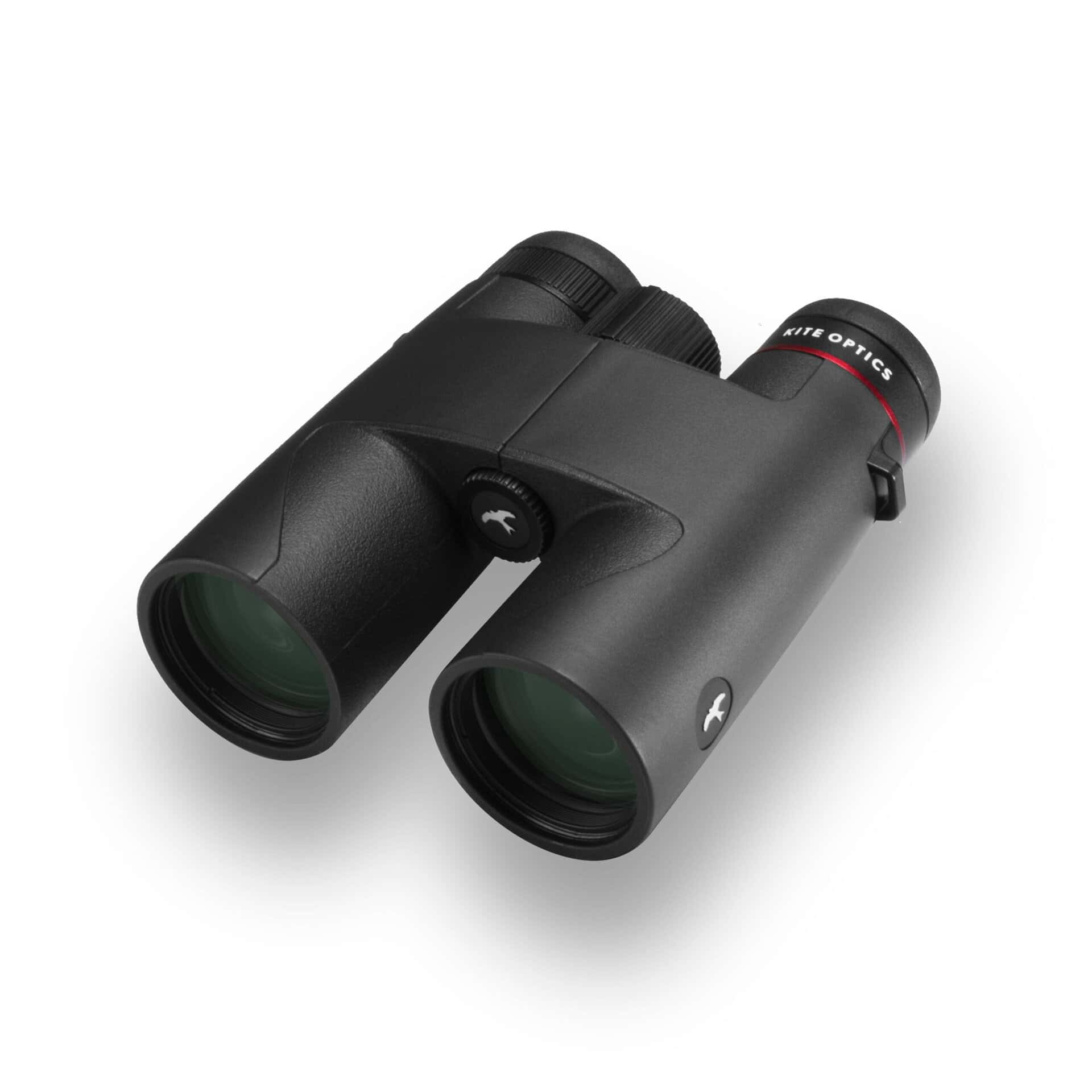
Kite
Lynx HD+ 10x42
Strengths: Optical quality · Field of view
- 10×42
- 122 m
- 700 g
- ⌀ 4.2 mm
- IC 20
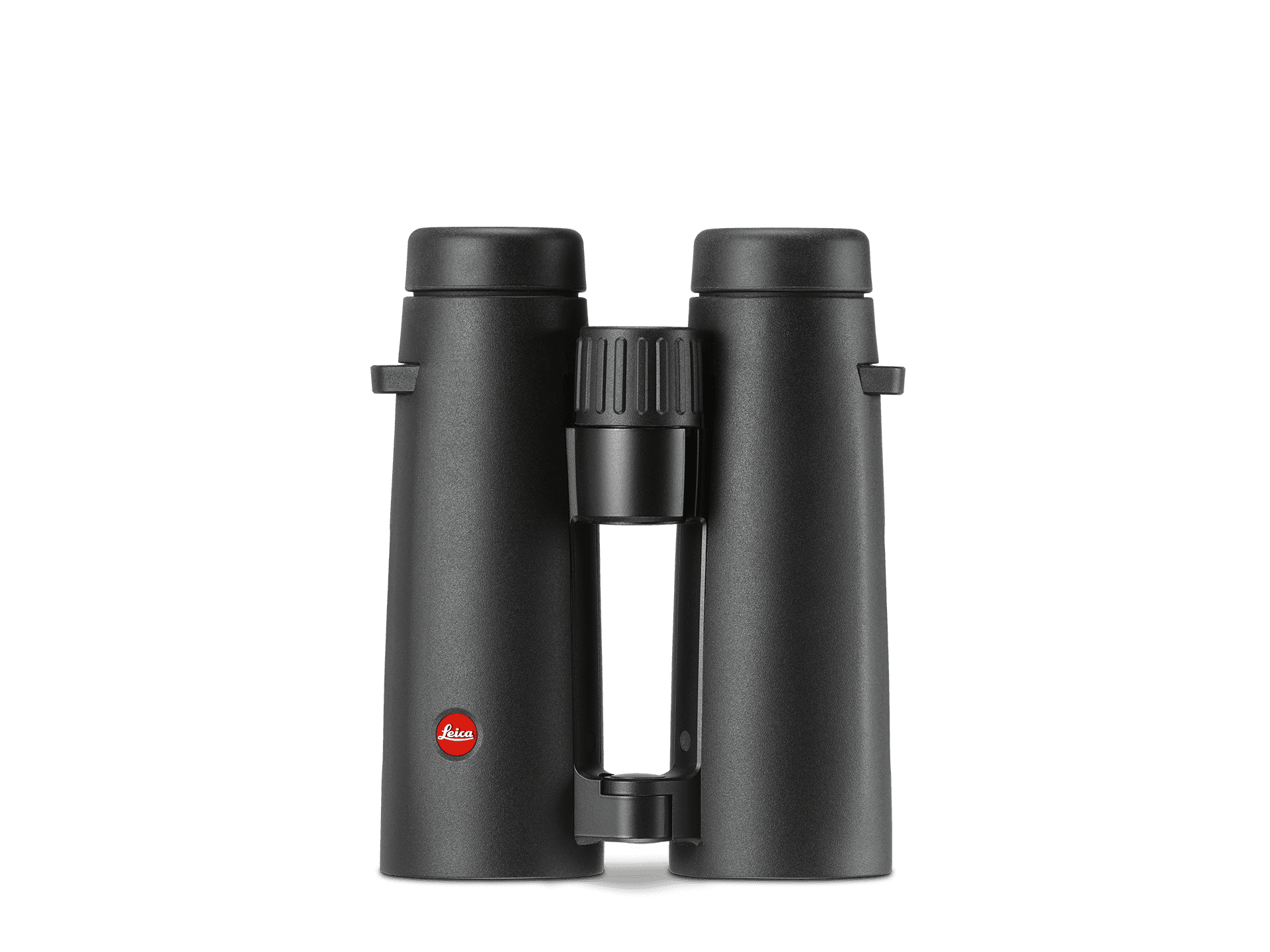
Leica
Noctivid 10x42
Strengths: Optical quality · Ergonomics
- 10×42
- 112 m
- 862 g
- 19 mm
- ⌀ 4.2 mm
- IC 20
Kite
Ibis ED 10x42
Strengths: Optical quality · Ergonomics
- 10×42
- 114 m
- 760 g
- 17 mm
- ⌀ 4.2 mm
- IC 20
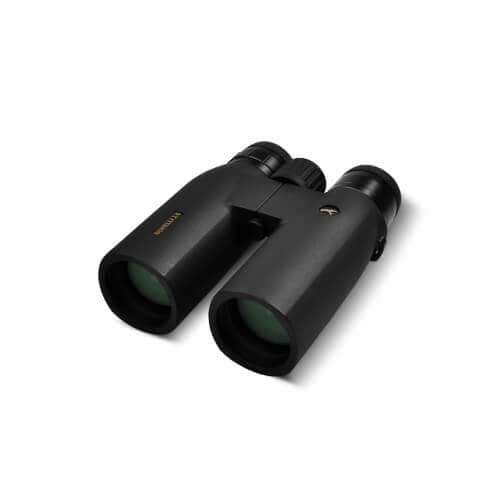
Kite
Bonelli 2.0 10x42
Strengths: Optical quality · Ergonomics
- 10×42
- 115 m
- 840 g
- 16.5 mm
- ⌀ 4.2 mm
- IC 20
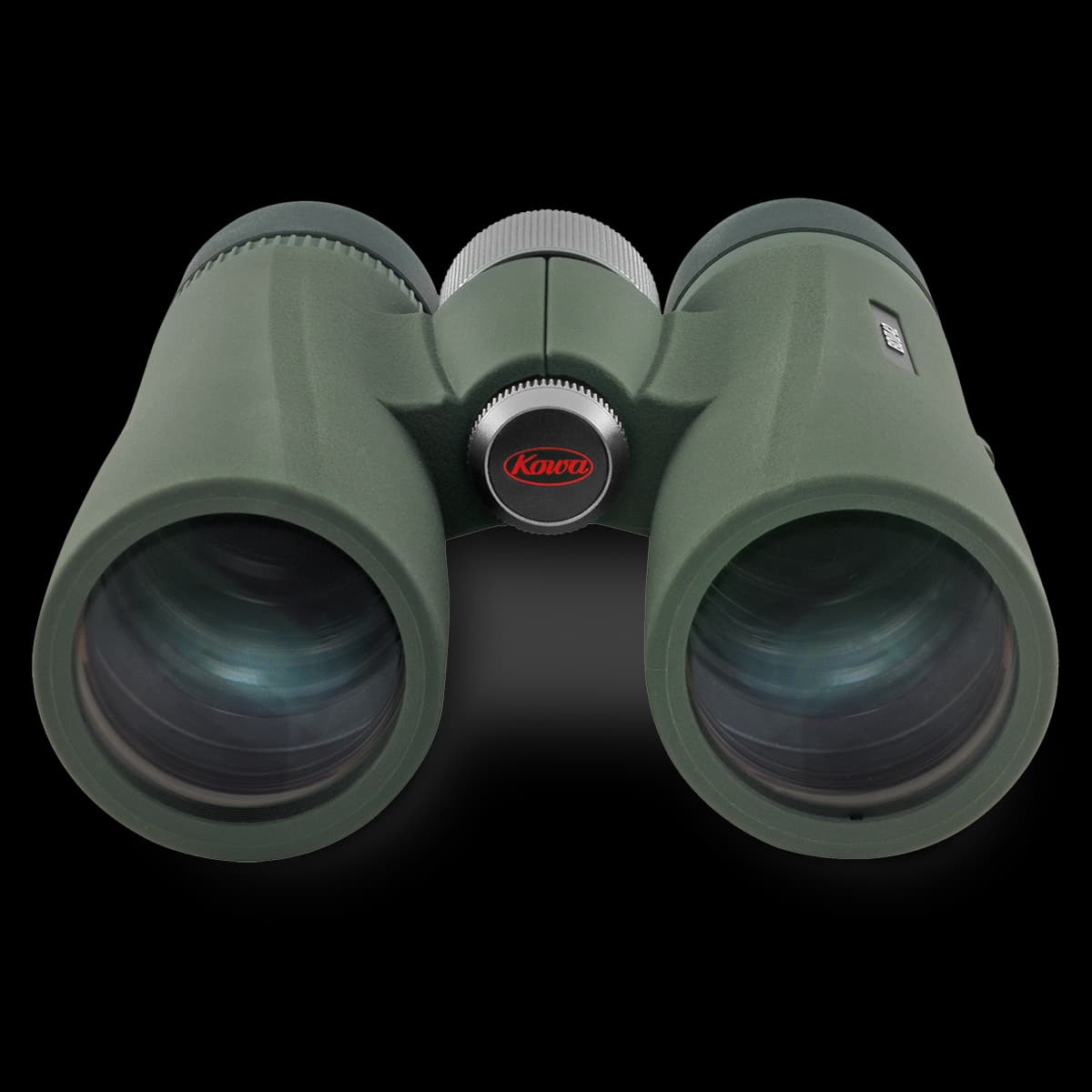
Kowa
BDII-XD 10x42
Strengths: Optical quality · Ergonomics
- 10×42
- 126 m
- 645 g
- 16.5 mm
- ⌀ 4.2 mm
- IC 20
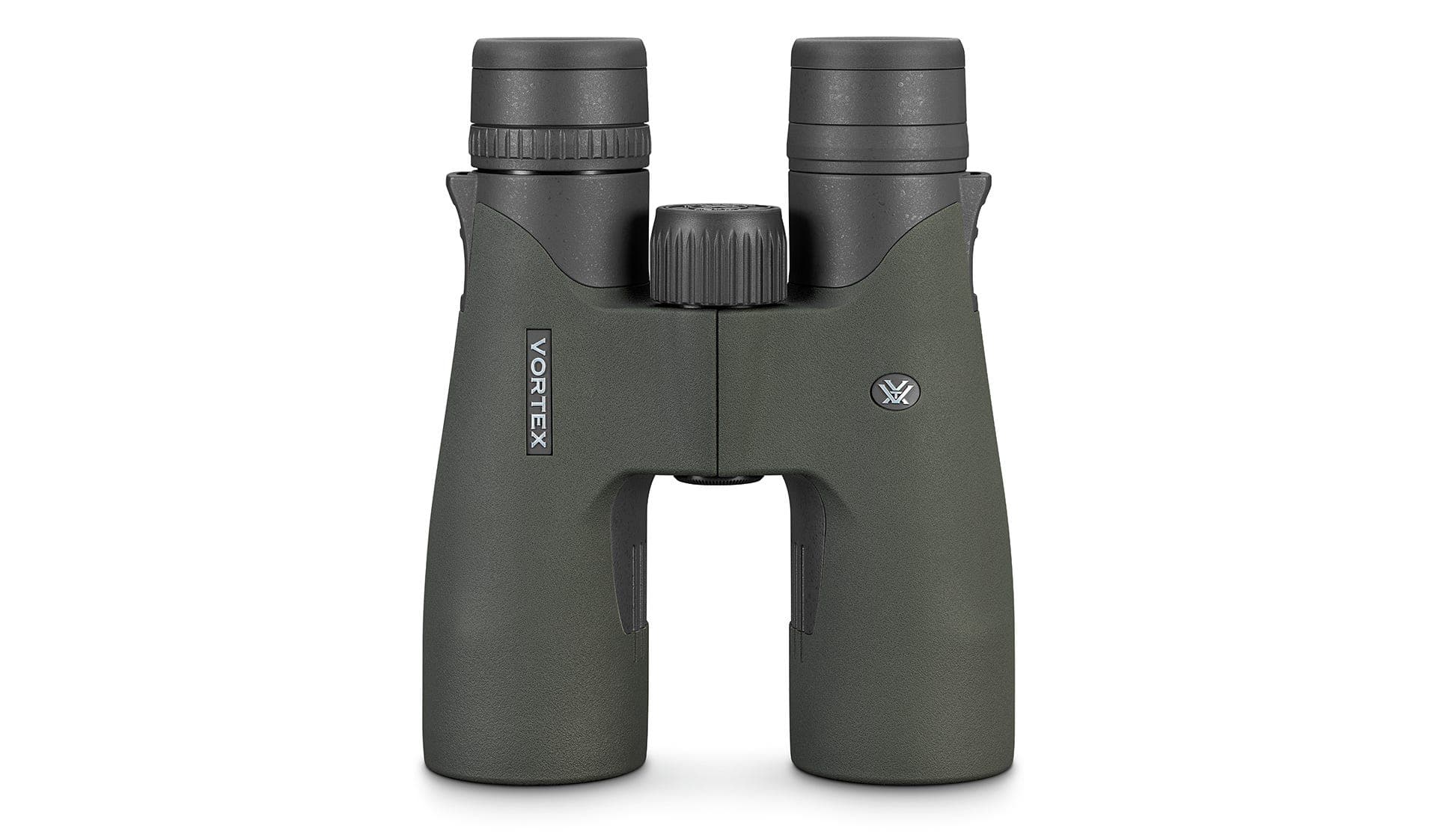
Vortex
Razor UHD 10x42
Strengths: Optical quality · Ergonomics
- 10×42
- 115 m
- 913 g
- 16.7 mm
- ⌀ 4.2 mm
- IC 20
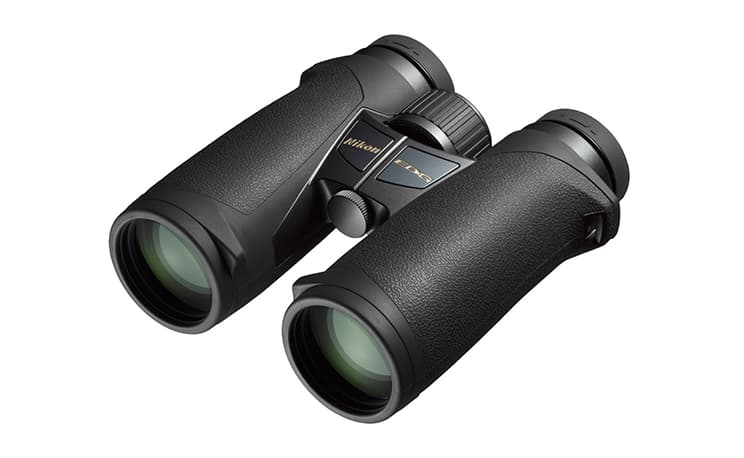
Nikon
EDG 10x42
Strengths: Optical quality · Ergonomics
- 10×42
- 114 m
- 790 g
- 18 mm
- ⌀ 4.2 mm
- IC 20
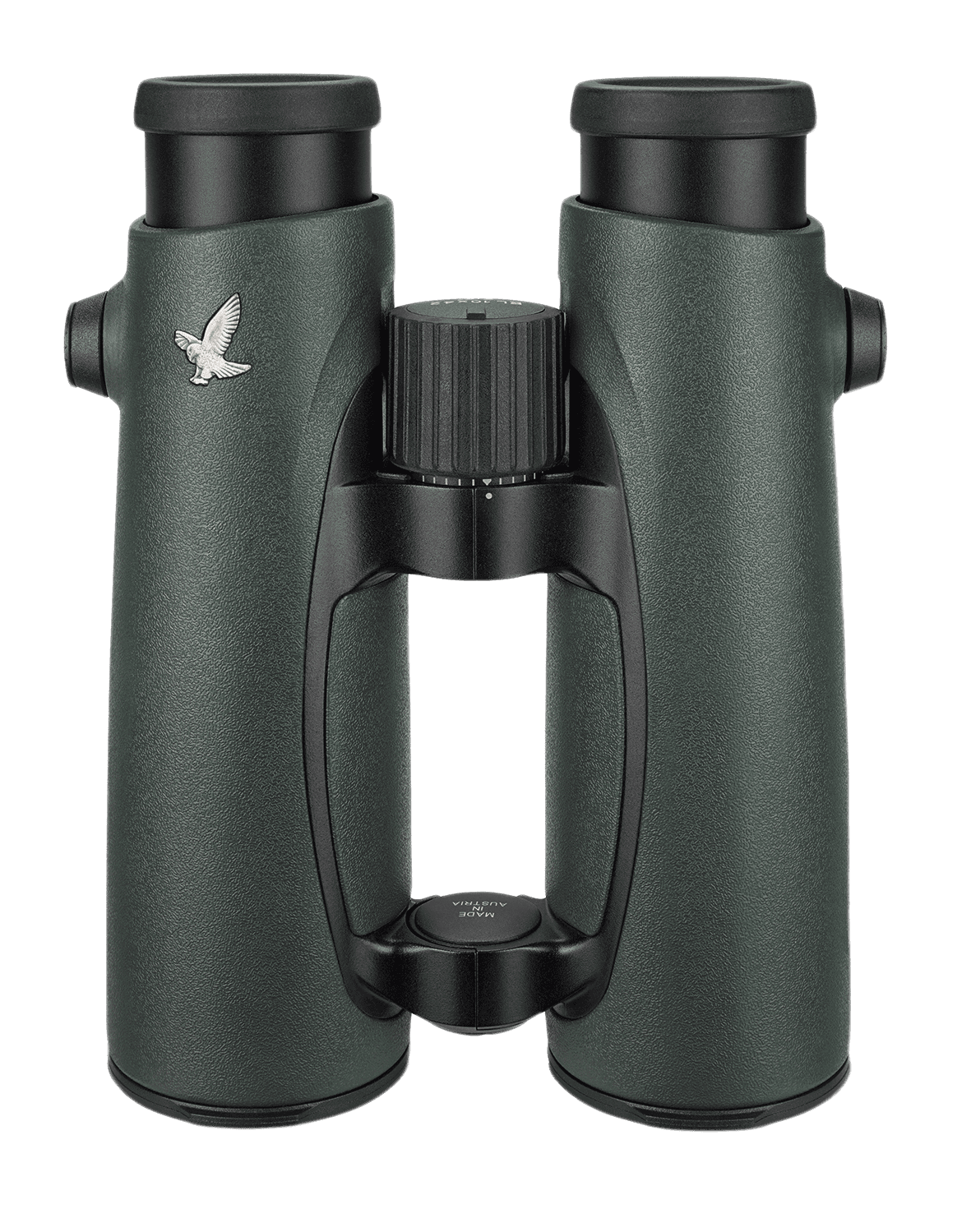
Swarovski
EL 10x42
Strengths: Optical quality · Ergonomics
- 10×42
- 112 m
- 840 g
- 20 mm
- ⌀ 4.2 mm
- IC 20
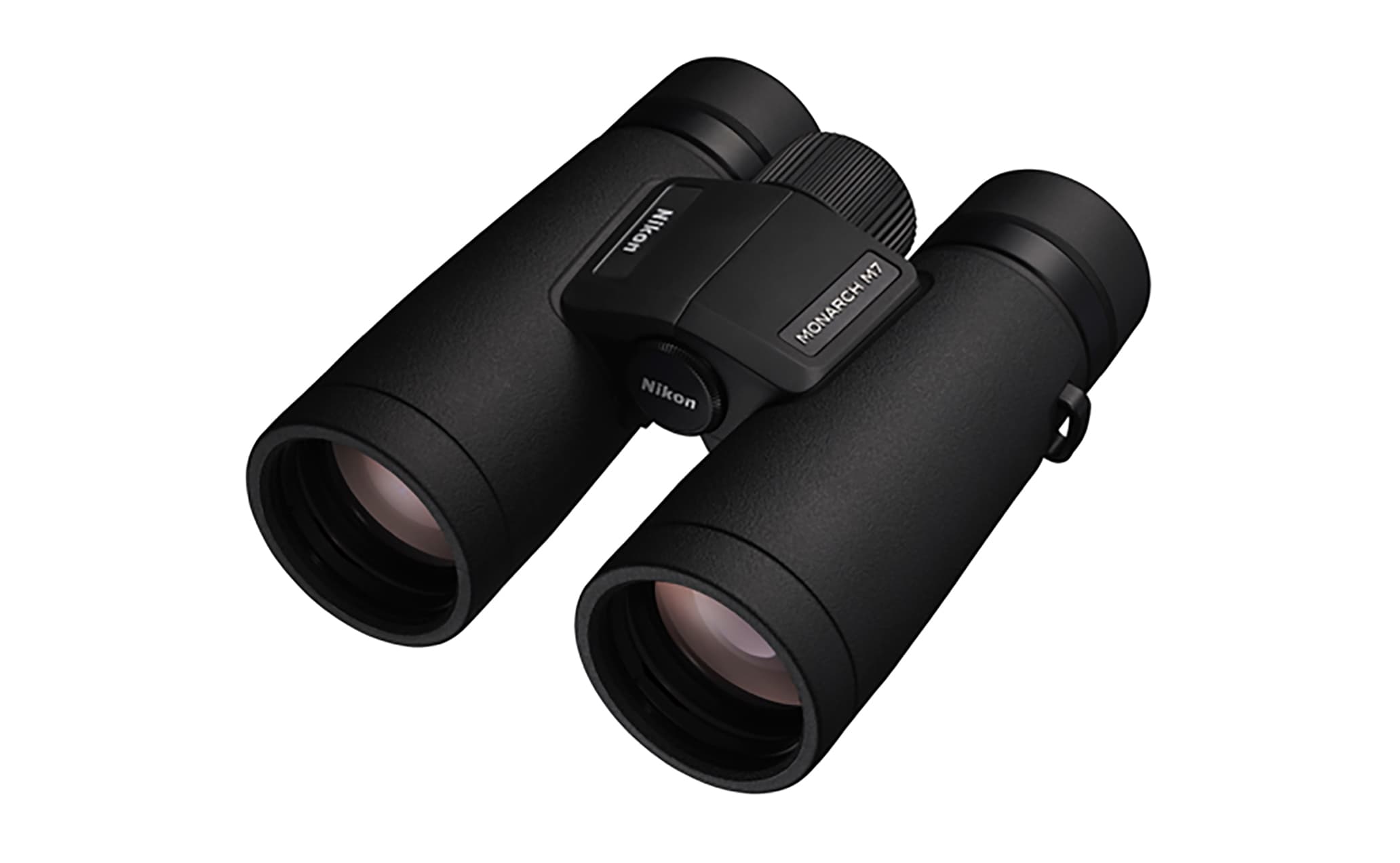
Nikon
Monarch M7 10x42
Strengths: Optical quality · Ergonomics
- 10×42
- 121 m
- 680 g
- 16.5 mm
- ⌀ 4.2 mm
- IC 20
For which activity?
Choose your terrain: the comparison tool adjusts to your needs.
Who are 10×42 binoculars for?
A 10×42 magnifies 10 times through 42 mm objectives. That gives you noticeably more detail than an 8×42, while keeping the image bright and the binocular manageable without a tripod. They come into their own wherever you need to reach out across open ground.
- Open countryside, moorland and estuaries: the extra magnification lets you pick out fine detail on a distant bird or animal.
- Safari and wide open spaces: in good light, that 10× reach really earns its keep across the savanna.
- Stalking and field sports: judge a subject at range before you move, without giving yourself away.
- Casual astronomy: the Moon, open clusters and star fields all look superb when you brace yourself or lean against something solid.

On the flip side, in dense woodland or during long hand-held sessions, an 8×42 will usually feel more comfortable: steadier, brighter and with a wider field of view.
10×42 or 8×42: which should you choose?
Both formats share the same objective diameter, so they sit in the same size and weight bracket. The difference is all about magnification. Here is the quick comparison.
| Criterion | 10×42 | 8×42 |
|---|---|---|
| Detail at distance | Better | Good |
| Stability hand-held | Good | Excellent |
| Brightness (exit pupil) | 4.2 mm | 5.25 mm |
| Field of view | Narrower | Wider |
| Open country, hillside, safari | Ideal | Very good |
| Forest, long sessions | Less comfortable | Ideal |
Want the full reasoning, format by format? I go through everything in my guide to how to choose binoculars.
How to read this comparison
The comparison tool does not rank in the abstract. It ranks for you. Pick your activity (birdwatching, safari, stalking, astronomy) and the fit score weights the criteria that matter most for that use. A pair that excels for dawn-flight wildfowling is not the same as the best option for following a warbler through scrub, and the ranking adjusts accordingly.
I am transparent about my method: I do not laboratory-test every model on the market. I cross-reference manufacturer specifications (and I know how to read between the lines), recognised expert reviews, feedback from birdwatching and wildlife communities, and my own eye as a photographer for glass quality, coatings and ergonomics. When I have handled a model myself, I say so. When it is a documented synthesis, I say that too. No fake 'field-tested' claims: honesty is what makes this useful.
What to look for in a 10×42
- Exit pupil (4.2 mm): one step down from the 5.25 mm of an 8×42. Perfectly fine in daylight and decent light, slightly dimmer at dusk or dawn.
- Hand-held stability: 10× magnification amplifies your hand tremor as well as the subject. Check that the grip suits you, or consider an image-stabilised model if you plan long scanning sessions.
- Weight (typically 650 to 850 g): after an hour or two in the field, a heavier pair starts telling on your neck and arms. Check the strap as much as the body.
- Field of view: narrower than an 8× at the same price point. Compare field-of-view figures between 10×42 models rather than assuming they are all the same.
- Waterproofing and nitrogen purging: essential for UK conditions. These are standard features on any decent mid-range pair, not a premium extra.

FAQ: best 10×42 binoculars
Are 10x42 binoculars good for birdwatching?
Yes, particularly for open habitats: estuaries, moorland, coastal headlands and hillsides where you want to reach out to a distant bird. The 10× magnification lets you read plumage detail that a lower power would miss. In dense woodland or during long hand-held sessions, many birders prefer an 8×42 for its wider field of view and greater stability, so it really comes down to where you do most of your watching.
8x42 or 10x42 for birdwatching: which is better?
Neither is universally better. The 8×42 gives a wider field of view (easier to lock onto a fast-moving bird), steadier hand-held image and a brighter exit pupil of 5.25 mm versus 4.2 mm for the 10×42. The 10×42 gives you noticeably more magnification, which matters across open ground. If you watch in mixed habitats and are not sure, most experienced birders in the UK plump for the 8×42 as their all-rounder.
What is the exit pupil of a 10×42 binocular?
It is 4.2 mm. You get that by dividing the objective diameter by the magnification: 42 divided by 10. For comparison, an 8×42 gives 5.25 mm. A larger exit pupil means more light reaches your eye in low-light conditions. In full daylight the difference is invisible, but at dusk or on overcast winter mornings the 8×42 has a small edge.
Do 10x42 binoculars shake more than 8x42?
A little, yes. Higher magnification amplifies movement as well as the image, so any hand tremor shows more at 10× than at 8×. It is not a deal-breaker for most people: bracing your elbows, leaning against a gate post or using a shoulder strap as a makeshift brace settles things down. If shaking is a real concern, look at image-stabilised models, or step down to 8×.
What budget do I need for a decent 10×42?
Mid-range is where you get the best value. At that level you pick up ED glass (extra-low dispersion, which reduces colour fringing at the edges of the image), reliable multi-coated optics and proper waterproofing. Entry-level pairs are fine for daytime use when you are just starting out. High-end models justify their price if you are out in all weathers, every day, across the full range of light conditions. The comparison tool above lets you filter by budget to see the options at each tier.
About the author
Teddy
I'm Teddy, a travel and adventure photographer based near Vannes in Brittany, and I have been earning a living looking through glass for the best part of ten years. I watch wildlife every day, on the Breton coast, in the mountains and on trips abroad. When I am not behind a camera lens I have binoculars around my neck. I started Outdoor Optics because I spent years wading through confusing specs and vague reviews before making my own choices, and I wanted to save other nature lovers that same frustration.