Best binoculars for birdwatching: my Top 10 and the complete guide
Looking for the **best binoculars for birdwatching**? I have ranked our database of 288 models on the Ornithology profile, which prioritises field of view, close focus distance and sharpness: exactly what matters when you are trying to spot, track and identify a bird. Here is my Top 10.
I'm Teddy, a travel and adventure photographer. The ranking comes from our comparator, not a copied-out list. Just below the Top 10, the tool is set to the birding profile so you can refine by budget, and further down I explain how to choose well.
My Top 10 binoculars for birdwatching
Every model here puts field of view and close focus first: the two things that make or break a birding session. One model per brand, for variety. The score reflects the Ornithology profile.
- 1
 ★90.1/100 birding
Zeiss
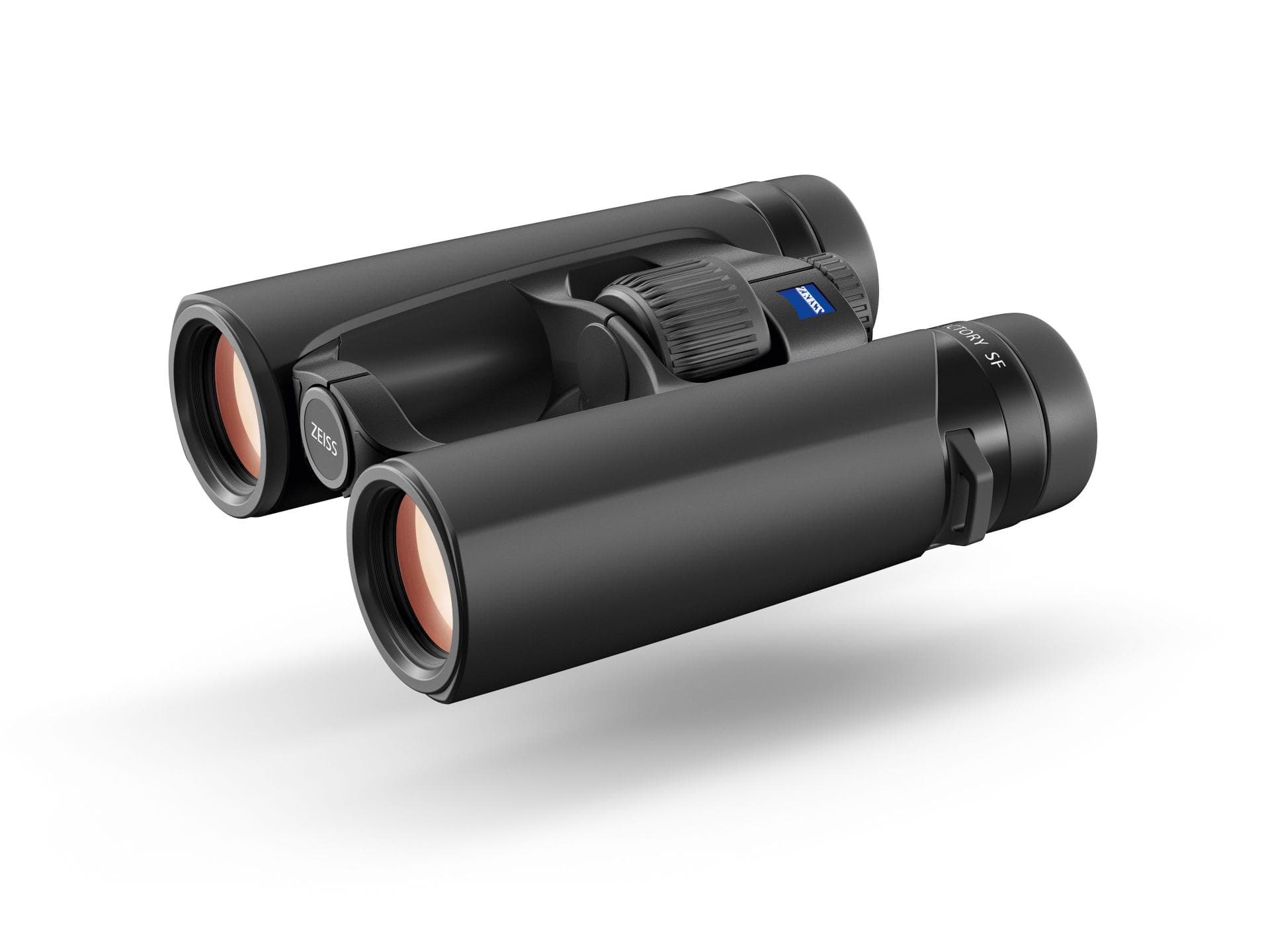
Zeiss Victory SF 8x42
8×42790 gfield 148 mexit pupil 5.3 mmED glasswaterproofFor most serious birders, this is the benchmark. An unusually balanced combination of an immense field, surgical sharpness and ergonomics genuinely designed for hours of bird-following.
Compare and see pricesStrengths
- Ultra-wide field of view (148 m)
- Outstanding sharpness and colour fidelity
- Exceptional balance in the hand
The catch
The price puts it firmly in the dedicated enthusiast bracket.
- 2
 ★88.4/100 birding
Nikon
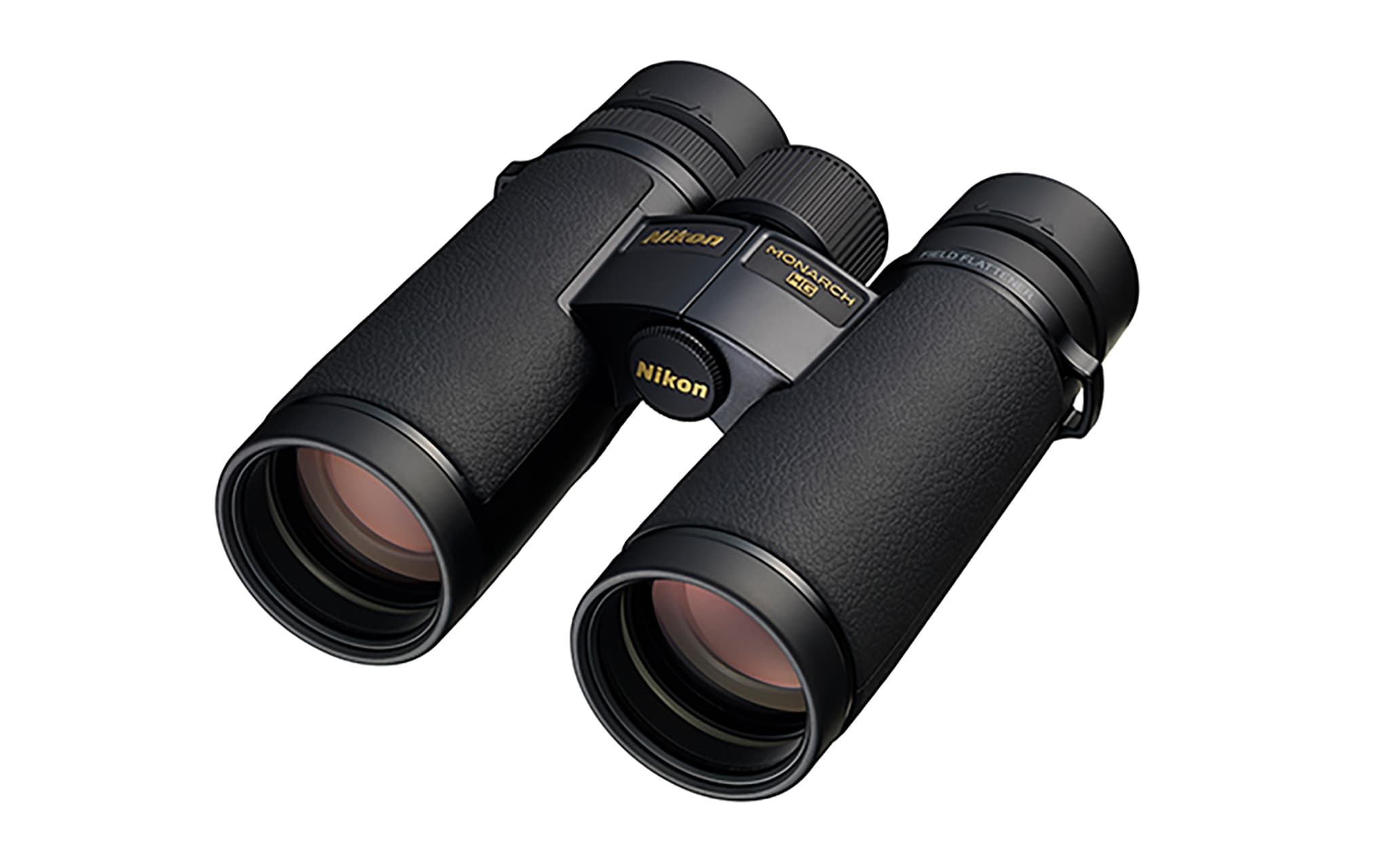
Nikon Monarch HG 8x42
8×42665 gfield 145 mexit pupil 5.3 mmED glasswaterproofThe best performance-to-price ratio at the top end of the birding market. Light at 665 g, brilliantly bright and built to last a decade without a moment's regret.
Compare and see pricesStrengths
- Only 665 g on the strap
- ED glass delivers a luminous, colour-true image
- Magnesium body built for real fieldwork
The catch
Close focus at 2 m is a touch short if you also watch butterflies.
- 3
 ★88.1/100 birding
Swarovski
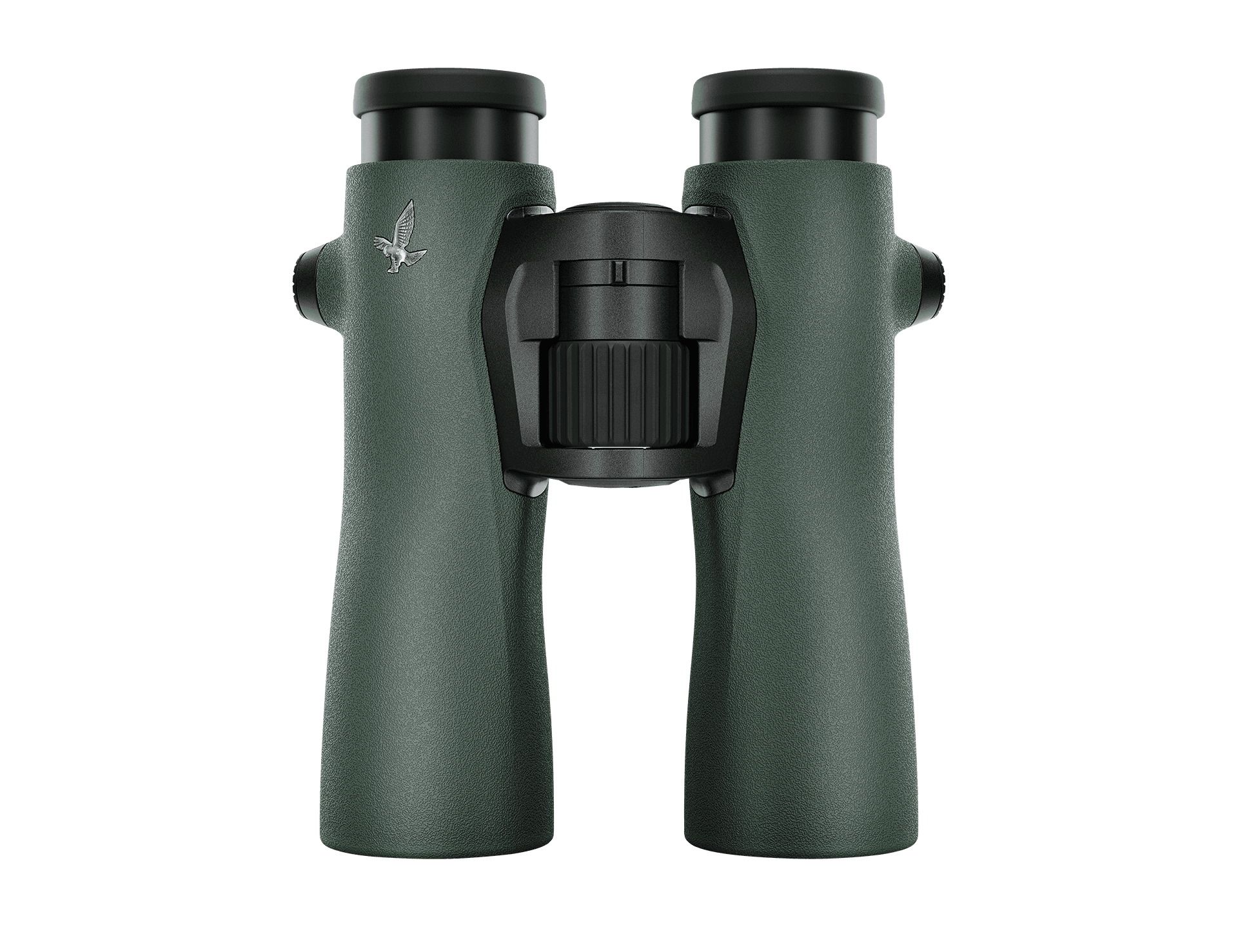
Swarovski NL Pure 8x42
8×42840 gfield 159 mexit pupil 5.3 mmED glasswaterproofThe widest field of view on the market, giving a unique sense of immersion in the scene. The sculpted grip disappears into your hands, even on a full-day hide session.
Compare and see pricesStrengths
- Record-breaking field of view (159 m)
- Revolutionary ergonomics
- Pin-sharp right to the edges
The catch
Top-of-market price, and 840 g on the neck strap.
- 4
 ★87.9/100 birding
Maven
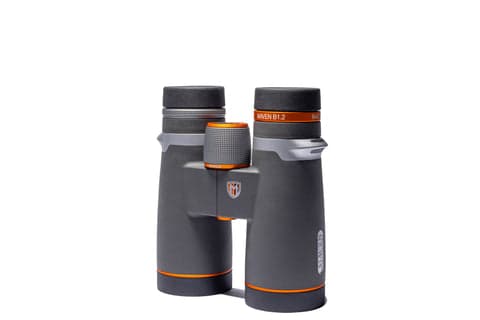
Maven B.1.2 8x42
8×42760 gfield 140 mexit pupil 5.3 mmED glasswaterproofHigh-end performance sold direct: first-rate ED optics at a gentler price than the European giants. The knowing birder's inside tip.
Compare and see pricesStrengths
- Premium ED glass throughout
- Impressive close focus at 1.5 m
- Exceptional optical quality for the money
The catch
Slightly narrower field (140 m) and mainly available online.
- 5
 ★87.1/100 birding
Vortex
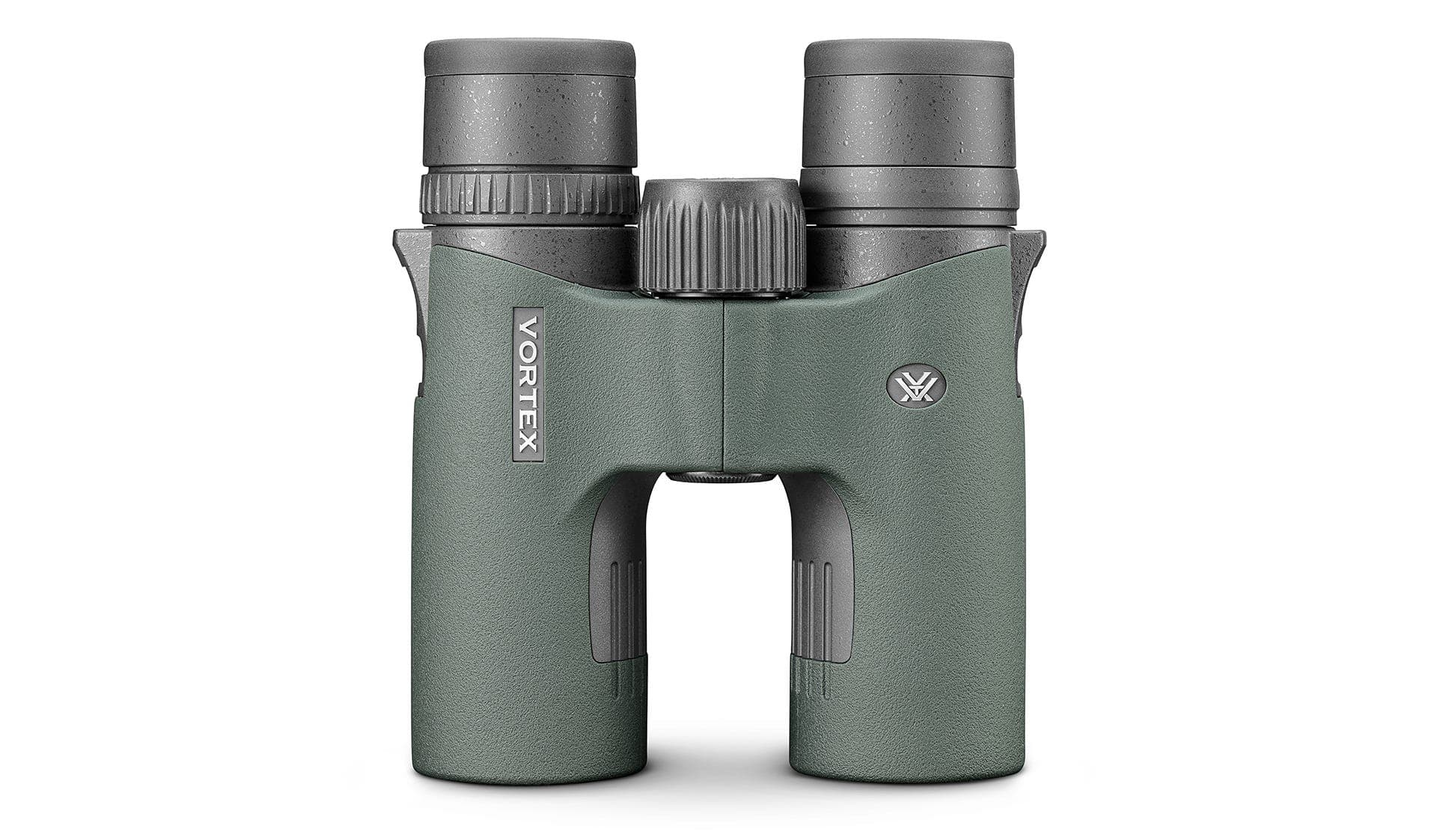
Vortex Razor UHD 8x32
8×32621 gfield 157 mexit pupil 4 mmED glasswaterproofThe 8x32 that changes the conversation: 621 g, an enormous field and Vortex's unconditional lifetime guarantee. Ideal for covering a nature reserve without wearing yourself out.
Compare and see pricesStrengths
- Very wide field of view (157 m)
- Compact and light at 621 g
- VIP lifetime guarantee, no questions asked
The catch
The 32 mm objective is a step behind a 42 mm in poor light at dusk.
- 6
 ★86.6/100 birding
Kite
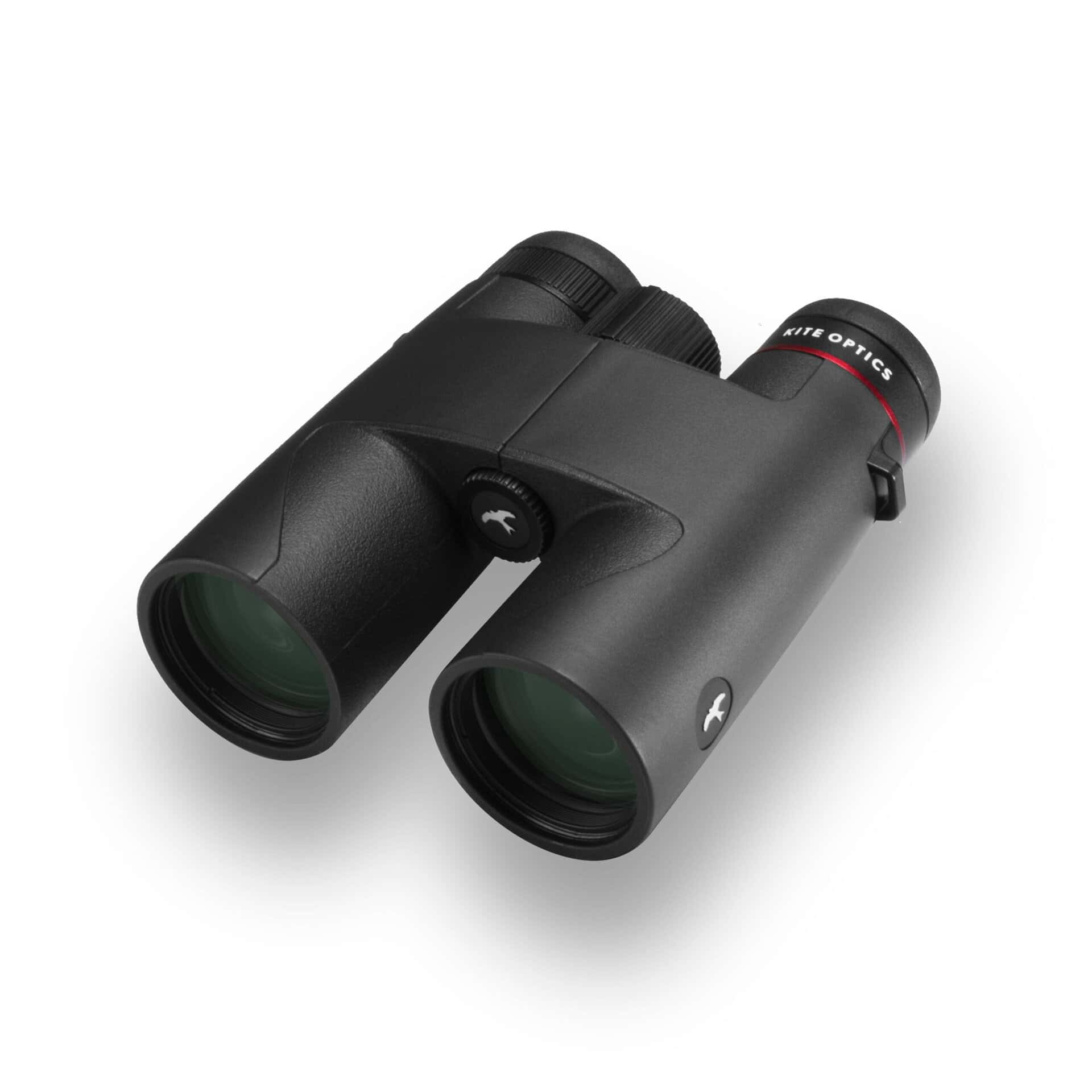
Kite Lynx HD+ 8x42
8×42690 gfield 151 mexit pupil 5.3 mmED glasswaterproofKite's birding gem: a wide field, quality ED glass and a considerably kinder price than the German reference models. A brand that genuinely understands birds.
Compare and see pricesStrengths
- Wide field of view (151 m)
- ED glass with real sharpness and contrast
- More accessible price point
The catch
Close focus at 2 m, not its strongest card.
- 7
 ★86.6/100 birding
Kowa
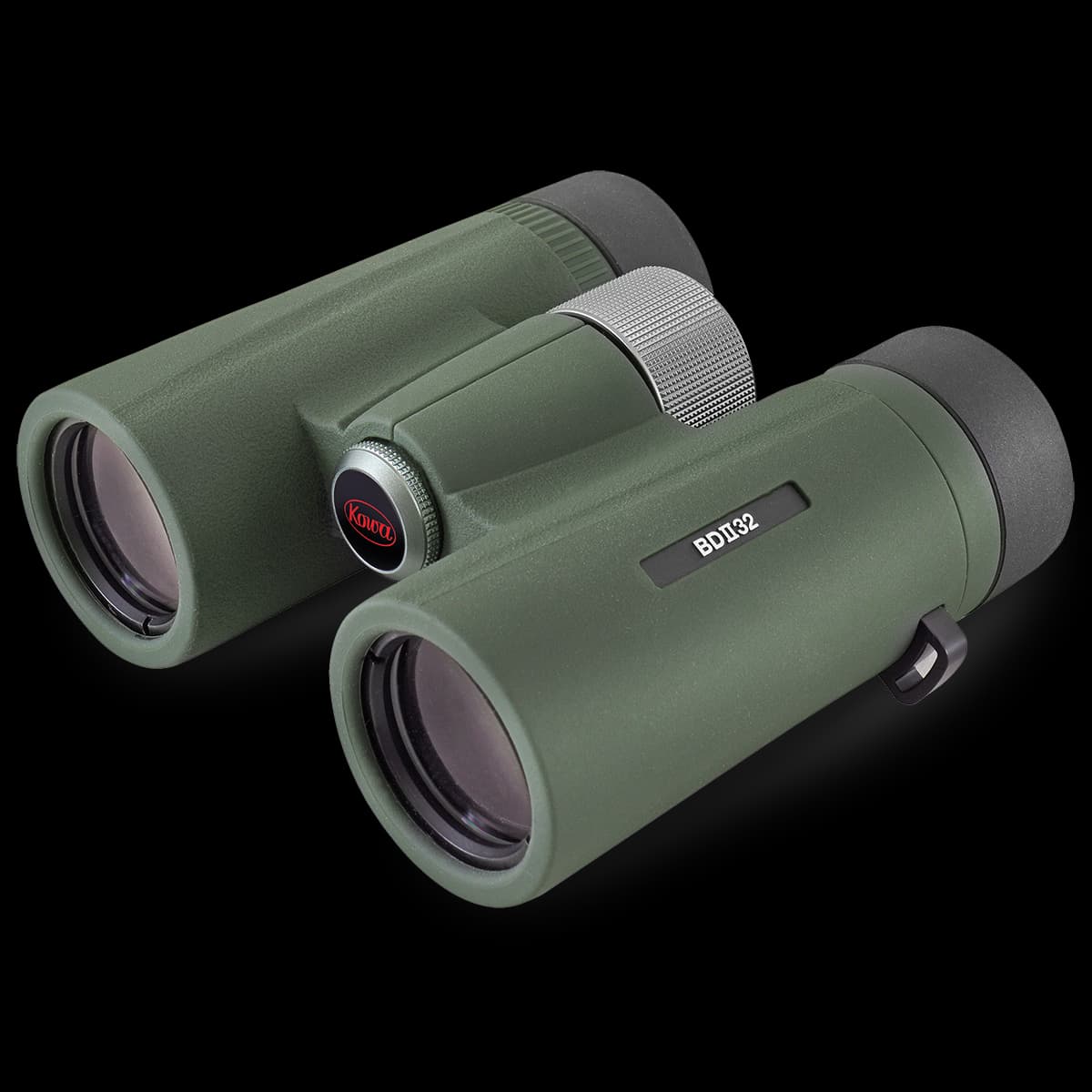
Kowa BDII-XD 6.5x32
6.5×32535 gfield 175 mexit pupil 4.9 mmED glasswaterproofThe widest field of view in the entire Top 10 (175 m), packed into a featherlight 535 g body. For spotting and tracking a small passerine, it is an absolute pleasure.
Compare and see pricesStrengths
- Extraordinary field of view (175 m)
- Lightest model in the ranking (535 g)
- Exceptional close focus at 1.3 m
The catch
The 6.5x magnification shows less fine detail at long distances.
- 8
 ★85.2/100 birding
Leica
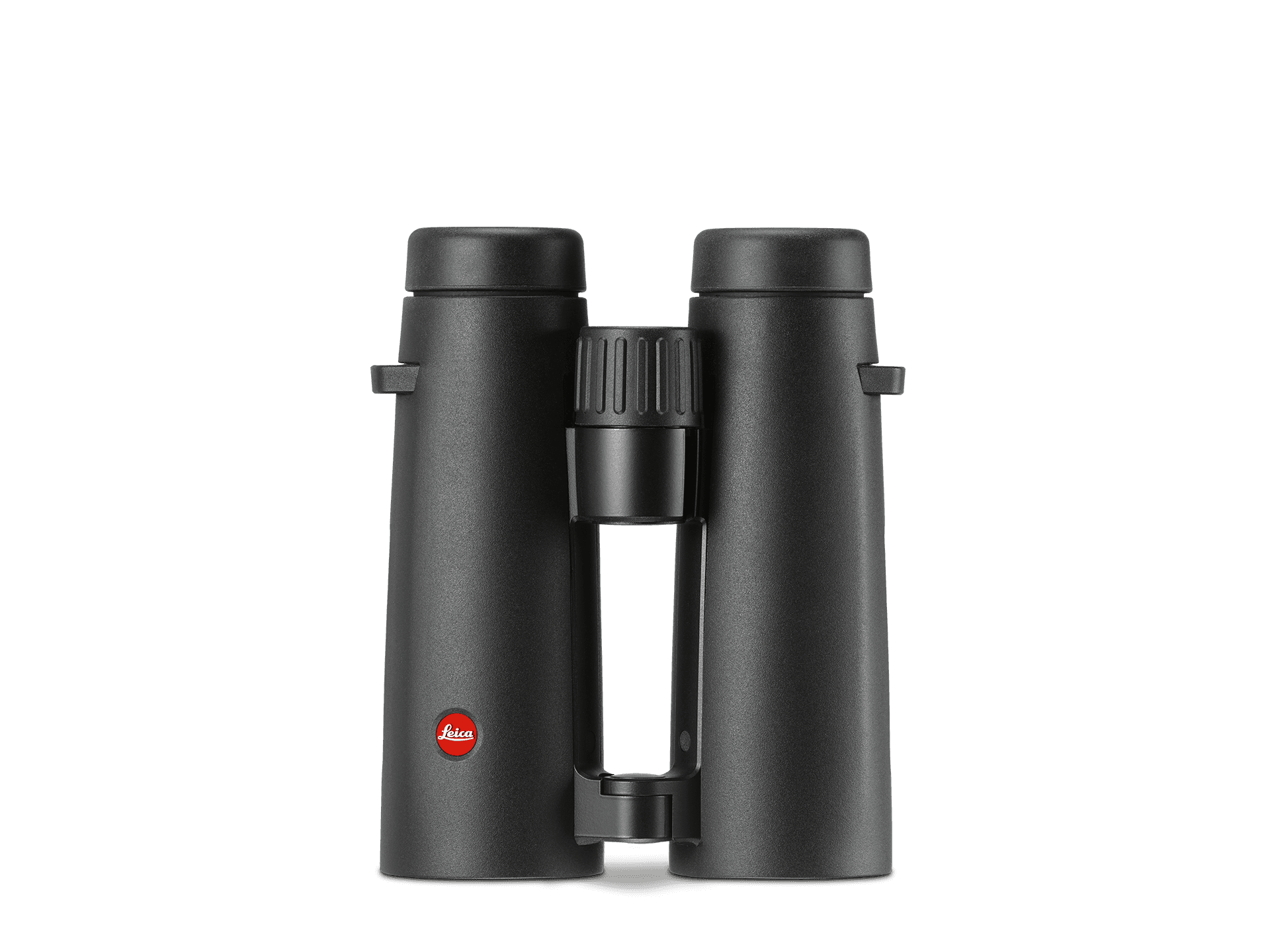
Leica Noctivid 8x42
8×42853 gfield 135 mexit pupil 5.3 mmED glasswaterproofLeica contrast and sharpness in a surprisingly compact and beautifully made body. In difficult light, deep under a woodland canopy or at first light, the image is a genuine joy.
Compare and see pricesStrengths
- Leica contrast and sharpness
- Excellent performance in low light
- Flawless build quality
The catch
Narrower field (135 m) and the heaviest model here at 853 g.
- 9
 ★82.8/100 birding
Bushnell
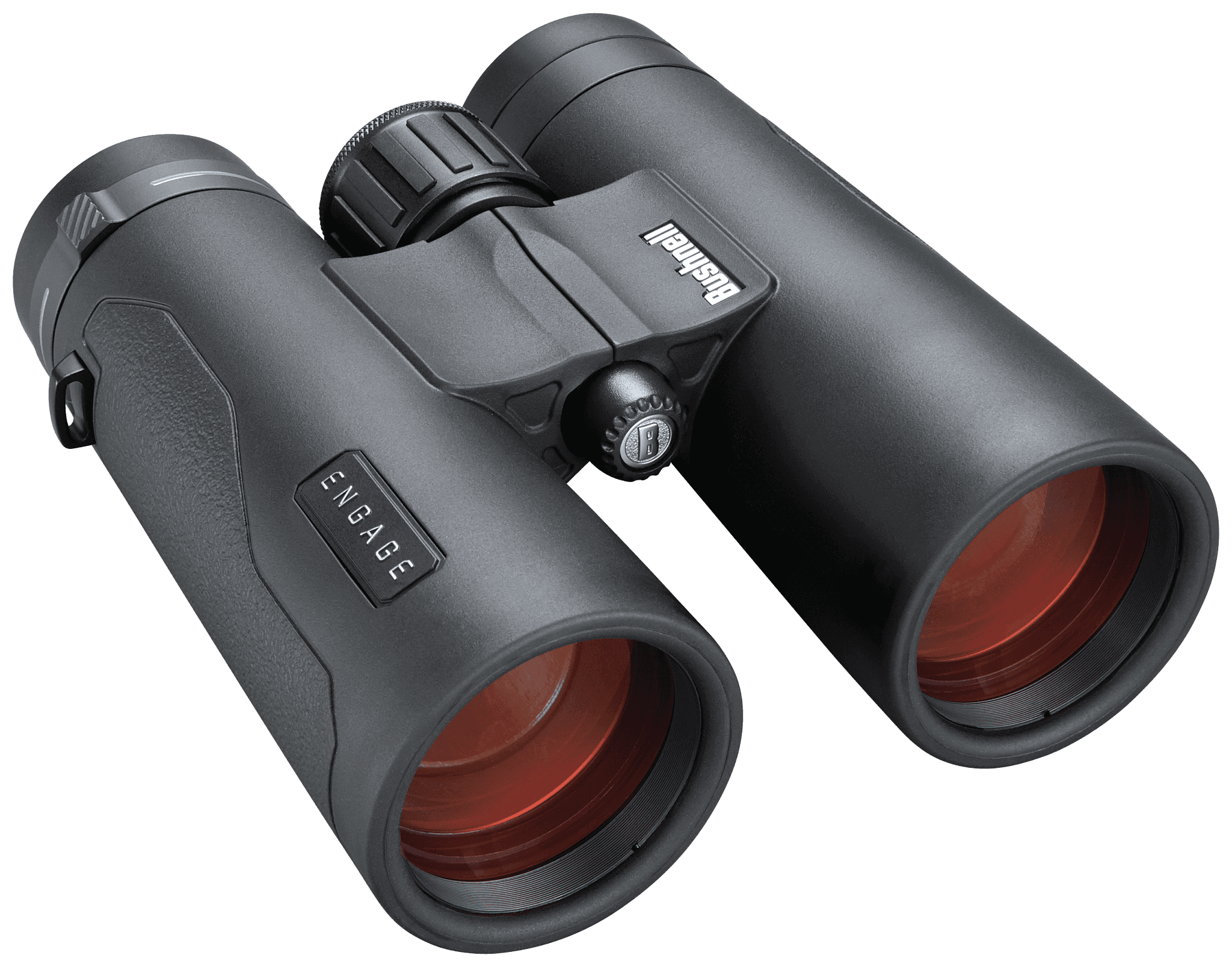
Bushnell Engage EDX 8x42
8×42726 gfield 142 mexit pupil 5.3 mmED glasswaterproofProof that you can watch birds seriously without spending a fortune. ED glass, fully waterproof, a clean image: it delivers a lot for its price.
Compare and see pricesStrengths
- Excellent value for money
- ED glass and fully waterproof
- Decent field of view (142 m)
The catch
Fit and finish a step behind the premium tier.
- 10
 ★81.8/100 birding
Meopta
Meopta MeoPro HD 8x32
8×32598 gfield 145 mexit pupil 4 mmED glasswaterproofThe Czech secret: serious optics, light at 598 g, and an unbeatable 1 m close focus that transforms garden birding and encounters with nearby warblers or insects.
Compare and see pricesStrengths
- Exceptional 1 m close focus
- Light at 598 g
- Solid value-for-money proposition
The catch
An under-the-radar brand, harder to try before you buy in a shop.
Best picks by budget
You do not need a professional budget to watch birds well. Here, still ranked by the Ornithology score, are the best entry-level option and the best value-for-money pair in our entire database.
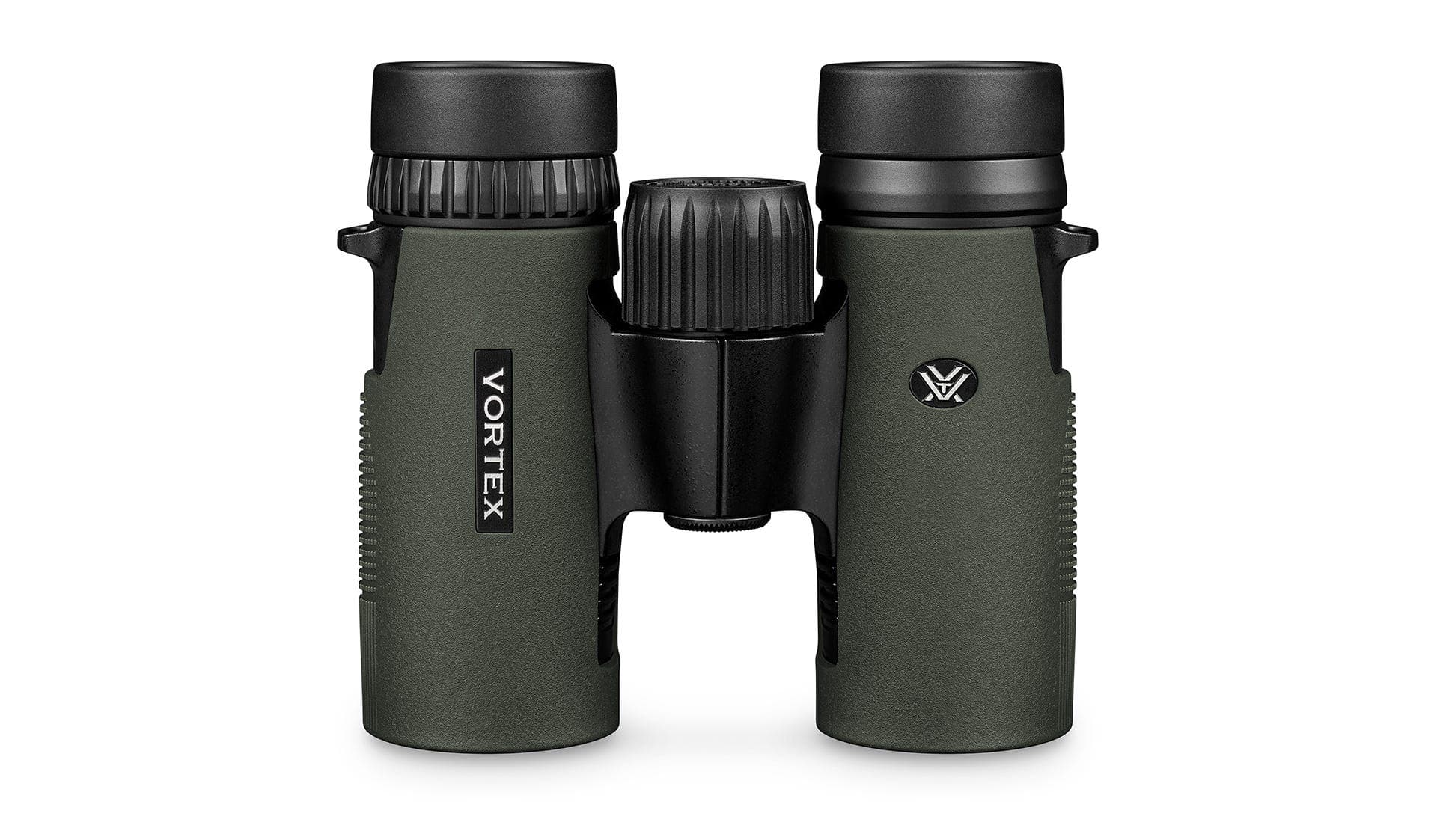
Best budget pick
Vortex Diamondback HD 8x32
8×32 · 451 g
Best value for money
Kowa BDII-XD 6.5x32
6.5×32 · 535 g
Refine your choice in the comparator
The Top 10 gives you my favourites. The comparator below is set to the Ornithology profile: filter by budget, brand or format, and compare up to four pairs side by side.
288 models
Zeiss
Victory SF 8x42
Strengths: Field of view · Optical quality
- 8×42
- 148 m
- 790 g
- 18 mm
- ⌀ 5.3 mm
- IC 18
Nikon
Monarch HG 8x42
Strengths: Field of view · Optical quality
- 8×42
- 145 m
- 665 g
- 17.8 mm
- ⌀ 5.3 mm
- IC 18
Swarovski
NL Pure 8x42
Strengths: Field of view · Optical quality
- 8×42
- 159 m
- 840 g
- 18 mm
- ⌀ 5.3 mm
- IC 18
Maven
B.1.2 8x42
Strengths: Field of view · Optical quality
- 8×42
- 140 m
- 760 g
- 18.1 mm
- ⌀ 5.3 mm
- IC 18
Vortex
Razor UHD 8x32
Strengths: Field of view · Optical quality
- 8×32
- 157 m
- 621 g
- 18 mm
- ⌀ 4.0 mm
- IC 16
Zeiss
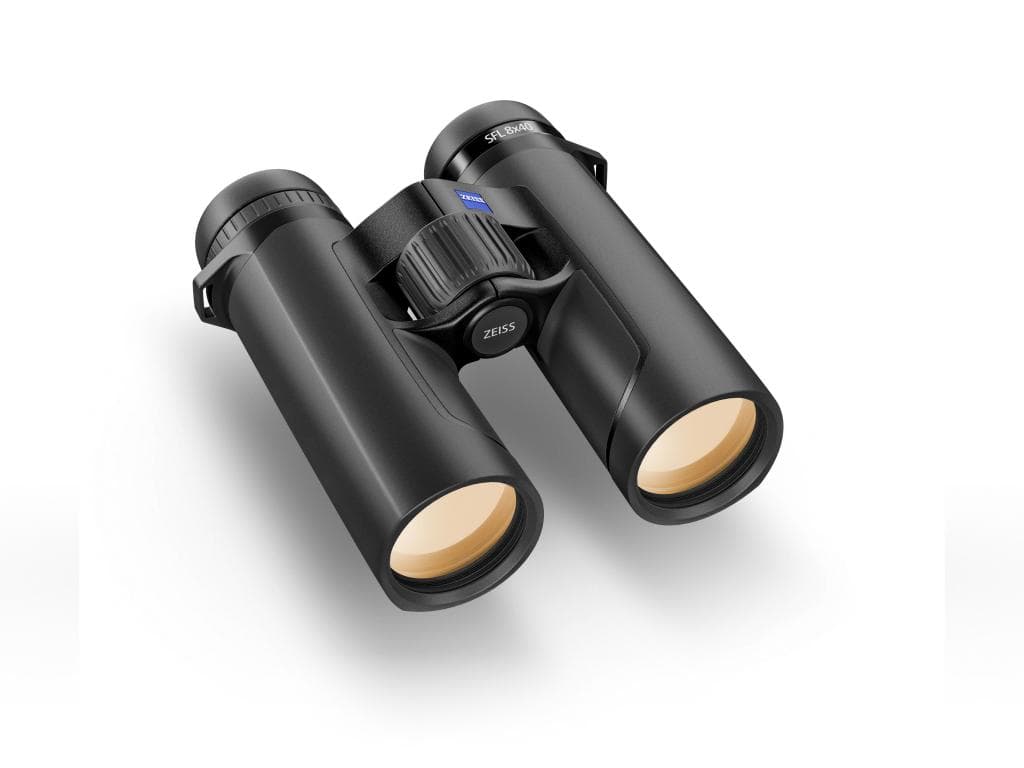
Victory SFL 8x40
Strengths: Field of view · Optical quality
- 8×40
- 140 m
- 640 g
- 18 mm
- ⌀ 5.0 mm
- IC 18
Zeiss
Victory SF 8x32
Strengths: Field of view · Optical quality
- 8×32
- 155 m
- 600 g
- 19 mm
- ⌀ 4.0 mm
- IC 16
Vortex
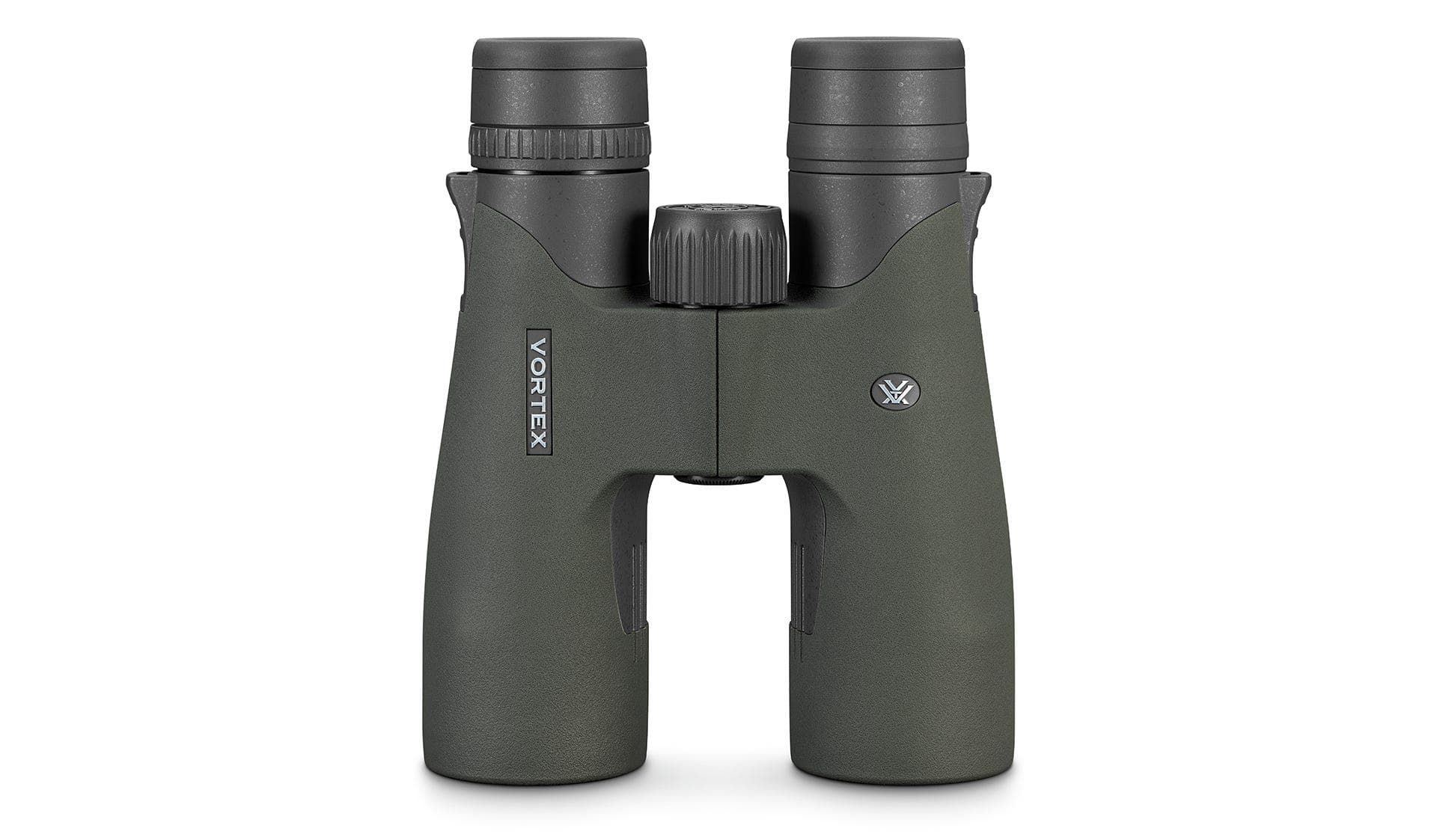
Razor UHD 8x42
Strengths: Field of view · Optical quality
- 8×42
- 140 m
- 913 g
- 17.2 mm
- ⌀ 5.3 mm
- IC 18
Kite
Lynx HD+ 8x42
Strengths: Field of view · Optical quality
- 8×42
- 151 m
- 690 g
- ⌀ 5.3 mm
- IC 18
Kowa
BDII-XD 6.5x32
Strengths: Field of view · Close focus
- 6.5×32
- 175 m
- 535 g
- 17 mm
- ⌀ 4.9 mm
- IC 14
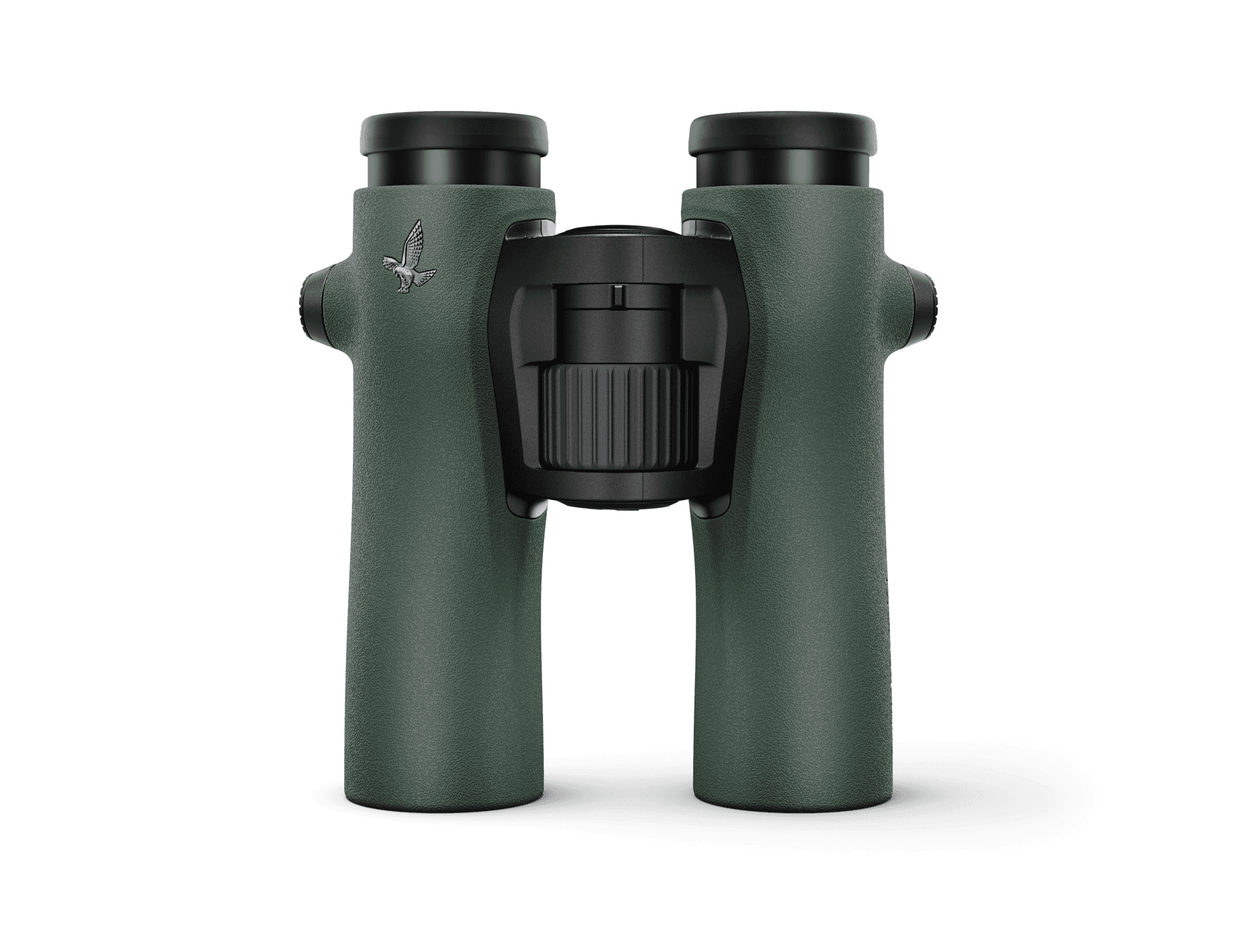
Swarovski
NL Pure 8x32
Strengths: Field of view · Optical quality
- 8×32
- 150 m
- 640 g
- 18 mm
- ⌀ 4.0 mm
- IC 16
Kite
Bonelli 2.0 8x42
Strengths: Optical quality · Field of view
- 8×42
- 132 m
- 820 g
- 18.5 mm
- ⌀ 5.3 mm
- IC 18
Kite
Lynx HD+ 8x30
Strengths: Field of view · Optical quality
- 8×30
- 151 m
- 495 g
- 15 mm
- ⌀ 3.8 mm
- IC 15
Leica
Noctivid 8x42
Strengths: Optical quality · Field of view
- 8×42
- 135 m
- 853 g
- 19 mm
- ⌀ 5.3 mm
- IC 18
How I choose binoculars for birdwatching
Birds do not wait. Everything that helps you find one quickly and study it in detail comes before anything else. Here are my criteria, in order of priority.
- Field of view, first. This is the width of what you see, measured in metres at 1,000 m. The wider it is, the more easily you spot and follow a bird. A good 8x42 sits around 140 to 150 m; the best models exceed 155 m. In woodland or at the garden feeder, a wide field is what saves the observation.
- Close focus distance. The minimum focusing distance. Below 2 m, you can study a warbler in a hedgerow or a butterfly at rest without backing away. It is the most underrated criterion in birding, and it is decisive for garden and woodland work. Look for under 2 m; under 1.5 m is genuinely special.
- 8x magnification. The birdwatching standard. Enough to identify species, stable enough hand-held to follow a bird in flight. The 10x shows a little more detail in open country, but the field narrows and the image shakes more, making it harder to stay on a moving bird.
- 42 mm objective diameter. That is the second number: the diameter of the front lenses in millimetres. A 42 mm gathers good light under trees and at dawn. The 32 mm saves weight for travel, at the cost of a little brightness in the evenings. The formula 8x42 covers almost all birding situations.
- Sharpness and ED glass. ED (extra-low dispersion) glass reduces the coloured fringes that appear around a backlit bird against the sky. Combined with quality lens coatings, it is what delivers accurate colour rendition for species identification. Look for ED or HD in the specifications.
- Brightness (exit pupil). The disc of light that leaves the eyepiece, calculated as objective diameter divided by magnification. For an 8x42, that gives 5.25 mm. Aim for at least 4 mm to stay usable at dawn and dusk, the best hours on any patch. The 8x42 wins here over the 10x42 (4.2 mm).
- Waterproofing. You watch birds in the rain, in sea mist, on the riverbank. A waterproof, nitrogen-purged body will not fog internally. In the UK, where weather changes without warning, this is not a luxury: it is a necessity.
- Eye relief. The distance at which your eye sees the full image. If you wear glasses, look for at least 15 mm; otherwise the edges of the field are cut off, which is especially irritating when you are trying to follow a bird across the sky.
8x42 or 10x42 for birdwatching?
This is the perennial birding debate. Both formats have the same footprint; it all comes down to magnification and what you are willing to trade off.
| Criterion | 8x42 | 10x42 |
|---|---|---|
| Following a bird in flight | Excellent | More demanding |
| Field of view | Wider | Narrower |
| Brightness (exit pupil) | 5.25 mm | 4.2 mm |
| Detail at distance (marsh, raptors) | Good | Better |
| Woodland, garden, feeder | Ideal | Less comfortable |
| Open country, estuaries, coasts | Very good | Ideal |
For the vast majority of birdwatching, the 8x42 wins: wider field and a steadier image for following a bird. The 10x42 earns its place on open ground, on estuaries and coastal flats where you are watching at distance and the bird is standing still.
Which binoculars for your habitat
Not all birds are watched the same way. Here is what I would look for depending on where you spend most of your time.
| Your habitat | What to look for |
|---|---|
| Garden and feeder | 8x32 or 8x42, short close focus (under 2 m) |
| Woodland and scrub | 8x42, luminous, wide field |
| Wetlands and estuaries | 10x42 for the extra reach |
| Raptors and open country | 10x42, or consider a spotting scope |
| Travel and light kit | 8x32 compact |
How to carry and care for your birding binoculars
The right pair is half the work. The other half is having it ready in one second and properly set up. Here are the habits I have built over years of fieldwork.
- A harness beats a neck strap. A binocular harness (elasticated shoulder straps) holds the pair flat against your chest and takes all the weight off your neck during a long day's watching. A traditional neck strap swings, bounces and tires you out. If you are out for more than a couple of hours, the harness is worth every penny.
- Ready in one second. Birds do not wait. Keep the binoculars on your chest with the eyepiece caps removed: the time it takes to raise them to your eyes is the difference between a confirmed record and a silhouette disappearing into the tree line. Do not bother with objective caps on a birding day out.
- Set your dioptre adjustment once. The dioptre ring (usually on the right eyepiece) compensates for the difference between your two eyes. Set it carefully once, note the value, and you will always get a sharp image instantly. Fiddling with it while a bird is in view is a certain way to miss it.
- Protect the glass. Keep the objective caps on when the binoculars are stowed, and slip the pair into a case or deep inside your bag in heavy rain. A scratch on a coated lens is permanent. A lens cloth in your pocket costs almost nothing and saves expensive glass.
- Managing condensation and cleaning. If you bring cold binoculars into a warm car or hide, let them acclimatise rather than wiping them down: rubbing a cold lens pushes moisture around rather than removing it. For cleaning, blow away any dust first, then use a microfibre cloth: never a shirt or tissue, which grind grit into the coating.

And when the bird is truly distant, on an estuary or perched motionless on a distant post, that is the sign a spotting scope on a tripod would complement your binoculars. But you always start with the binoculars.
FAQ: best binoculars for birdwatching
What magnification is best for birdwatching?
8x is the birdwatching standard. It gives you enough magnification to identify species reliably, while remaining stable enough hand-held to follow a bird in flight, thanks to the wider field of view. The 10x adds detail in open country such as estuaries or moorland, but the image shakes more and the field narrows, making it harder to keep a moving bird in view. Start with 8x.
8x42 or 10x42 for birdwatching?
The 8x42 is my default recommendation: brighter (5.25 mm exit pupil versus 4.2 mm), steadier image and a wider field for following birds. The 10x42 is the better tool on open ground where everything is at distance and standing still. In woodland, gardens or on a coastal path, stick with the 8x42.
Why does close focus matter for birdwatching?
A large part of birding happens close up: a warbler working through a hedgerow, a blue tit at the feeder two metres away, a dragonfly on a reed. Binoculars that focus down to under 2 m (or ideally under 1.5 m) let you study the detail without stepping backwards. It is a criterion that is too often overlooked on spec sheets.
What binoculars are good for beginners without breaking the bank?
Look at waterproof 8x42 models in the entry-level tier: the Nikon Prostaff P3, Vortex Diamondback HD and Kite Falco all deliver a clean image and a decent field of view without a huge outlay. The Best Budget Pick panel above shows my current favourite from our database.
What binoculars are best for garden birdwatching?
An 8x32 or lightweight 8x42 with a short close focus (ideally under 2 m) is ideal for the garden and the feeder. You can study birds at close range without backing into the rose bed, and the pair remains comfortable to hold up for extended periods at the window or on the patio.
Do I need a spotting scope as well as binoculars?
Not to start with. Binoculars are your everyday tool: light, fast and hand-held. A spotting scope (on a tripod, typically 20x to 60x) earns its place when you need to watch at very long range and the subject is staying still, for example waders on an estuary or a roosting raptor on a distant post. It comes later, as a complement, not a replacement.
About the author
Teddy
Teddy is a travel and adventure photographer based in Vannes, Brittany, with close to ten years of experience working with optics in the field. He watches wildlife through binoculars and spotting scopes on a daily basis and helps nature enthusiasts choose the right glass, without the jargon.