Nikon Monarch HG 8x42 Review: The Near Alpha at Half the Price?
Performance that flirts with the alphas, just 665 g on the strap, and a bill roughly half the size. I will tell you whether it is the right buy.


My verdict
My Nikon Monarch HG 8x42 review comes down to one line: this is the smart buy at the top end. You get a sharp, contrasty image thanks to the ED glass, phase correction and dielectric mirror coatings, a field of view of 145 m at 1000 m, and above all a weight of just 665 g, lighter than most alpha binoculars. All of that for around £1,000, roughly half the price of a Swarovski or Zeiss in the same format.
It is not a disguised alpha, though. The apparent field of view (60.3 degrees) and the sense of immersion sit a notch below the very best. But for the vast majority of uses, that gap does not justify doubling your budget. To be honest, at £1,000 this is still a real investment. Further down, I tell you exactly who the Monarch HG is the best compromise for, and who is better off looking elsewhere.
Strengths
- Featherweight 665 g: among the lightest premium 8x42 binoculars
- ED glass, phase correction and dielectric mirror: a sharp, contrasty image
- Exemplary build: waterproof to 5 m and nitrogen filled against fogging
- Eye relief of 17.8 mm: comfortable even if you wear glasses
- Close focus of 2 m: handy for butterflies and botany
- Performance per pound that is hard to beat against the alphas
Weaknesses
- Apparent field of 60.3 degrees: less immersive than the best alphas
- Price of around £1,000: still steep for occasional use
- Understated finish: no forehead rest or top-tier extras
Who is it for?
- The serious birder who wants 90 percent of an alpha without paying the alpha price
- The demanding hiker counting every gram: at 665 g, this is light
- Anyone stepping up from an entry or mid-range pair who wants a big jump in quality without overspending
Where to buy the Nikon Monarch HG 8x42 at the best price
I compare partner retailer offers in real time. On this model, deals come round often, so it is worth keeping an eye out.
Affiliate links: I may earn a commission at no extra cost to you. It does not influence my score or my verdict.
Performance by use: Nikon Monarch HG 8x42
Scores calculated by my scoring engine from the specs. The Monarch HG shines for birding and all-round use, carried by its light weight and sharpness. It naturally drops back for astronomy and stalking, where a larger aperture takes the lead.
Key specifications
All the measured and manufacturer data, with no marketing rounding.
- Configuration
- 8×42
- Magnification
- 8×
- Objective diameter
- 42 mm
- Exit pupil
- 5.3 mm
- Field of view (at 1000 m)
- 145 m
- Apparent field
- 60.3°
- Close focus
- 2 m
- Eye relief
- 17.8 mm
- Prism type
- Roof
- ED glass
- Yes
- Twilight factor
- 18.3
- Waterproof
- Yes
- Fogproof
- Yes
- Weight
- 665 g
- Dimensions (L × W)
- 145 × 131 mm
- Tier
- Premium
The closest models
Before you commit, compare the Monarch HG to its direct rivals in 8x42. The all-round score gives a quick steer, but read the per-use detail just above as well.
| Model | Config | Field | Weight | Exit pupil | Score |
|---|---|---|---|---|---|
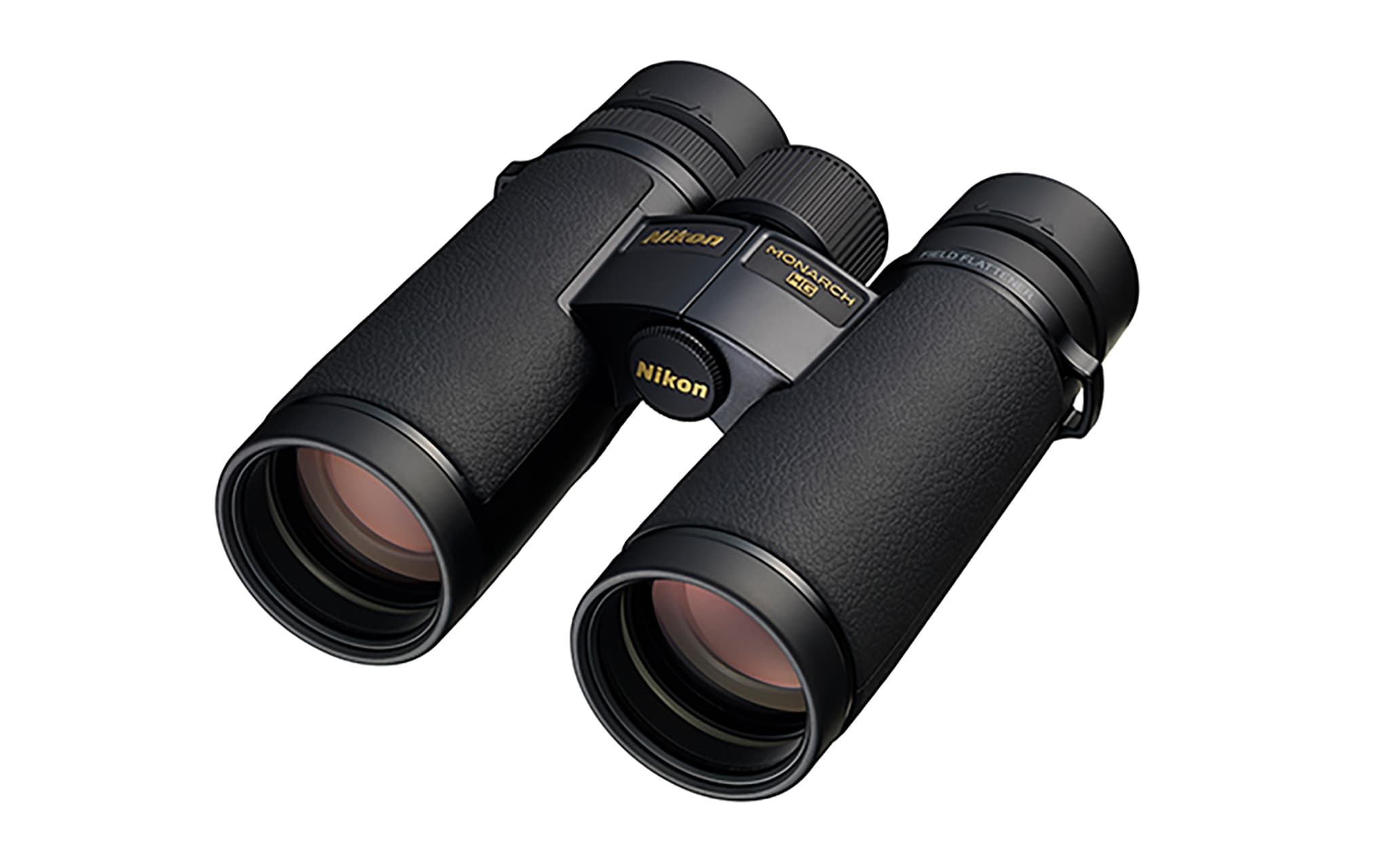 Nikon Monarch HG 8x42Reviewed | 8×42 | 145 m | 665 g | 5.3 mm | ★87.8 |
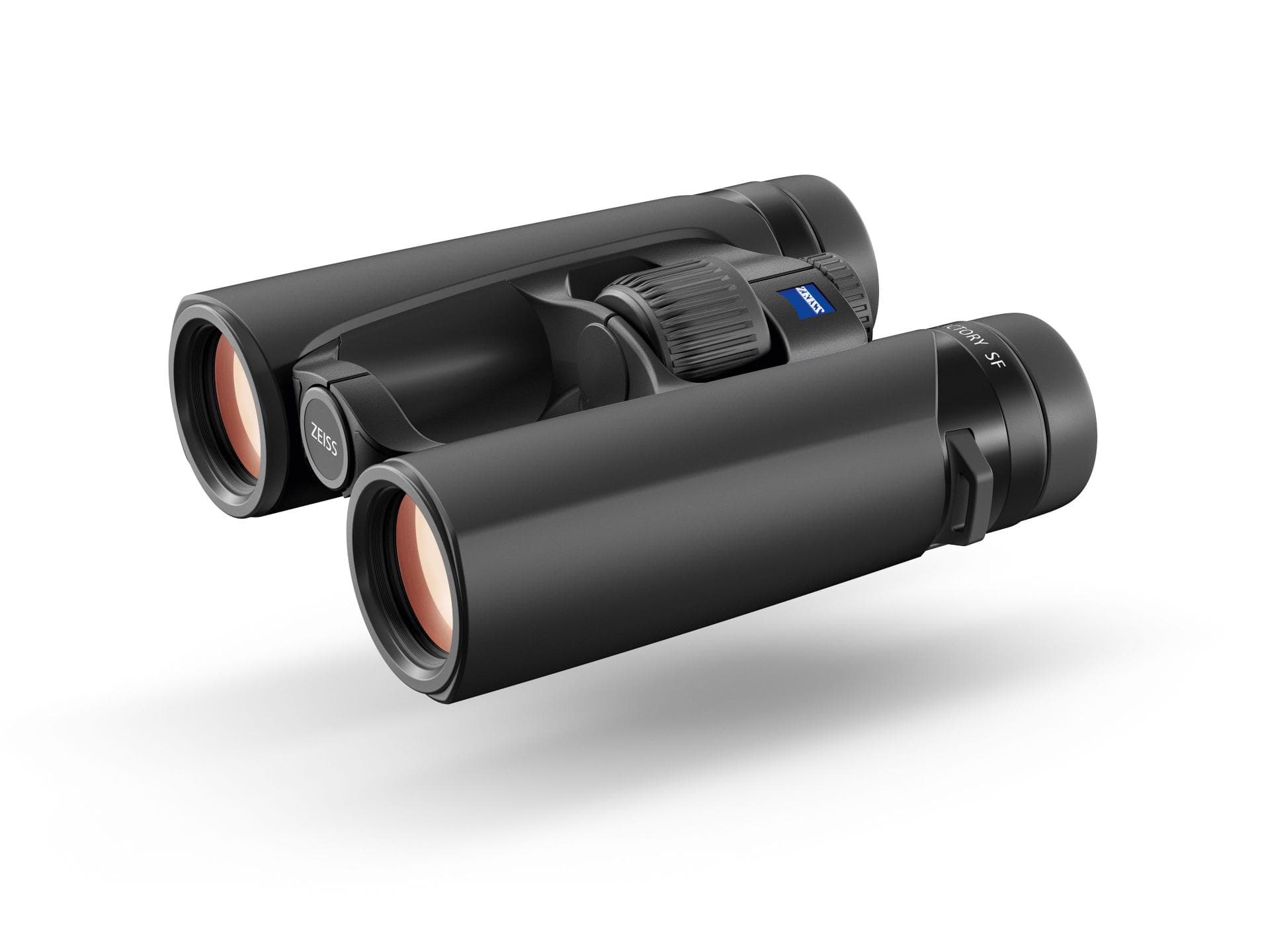 Zeiss Victory SF 8x42 | 8×42 | 148 m | 790 g | 5.3 mm | ★88.5 |
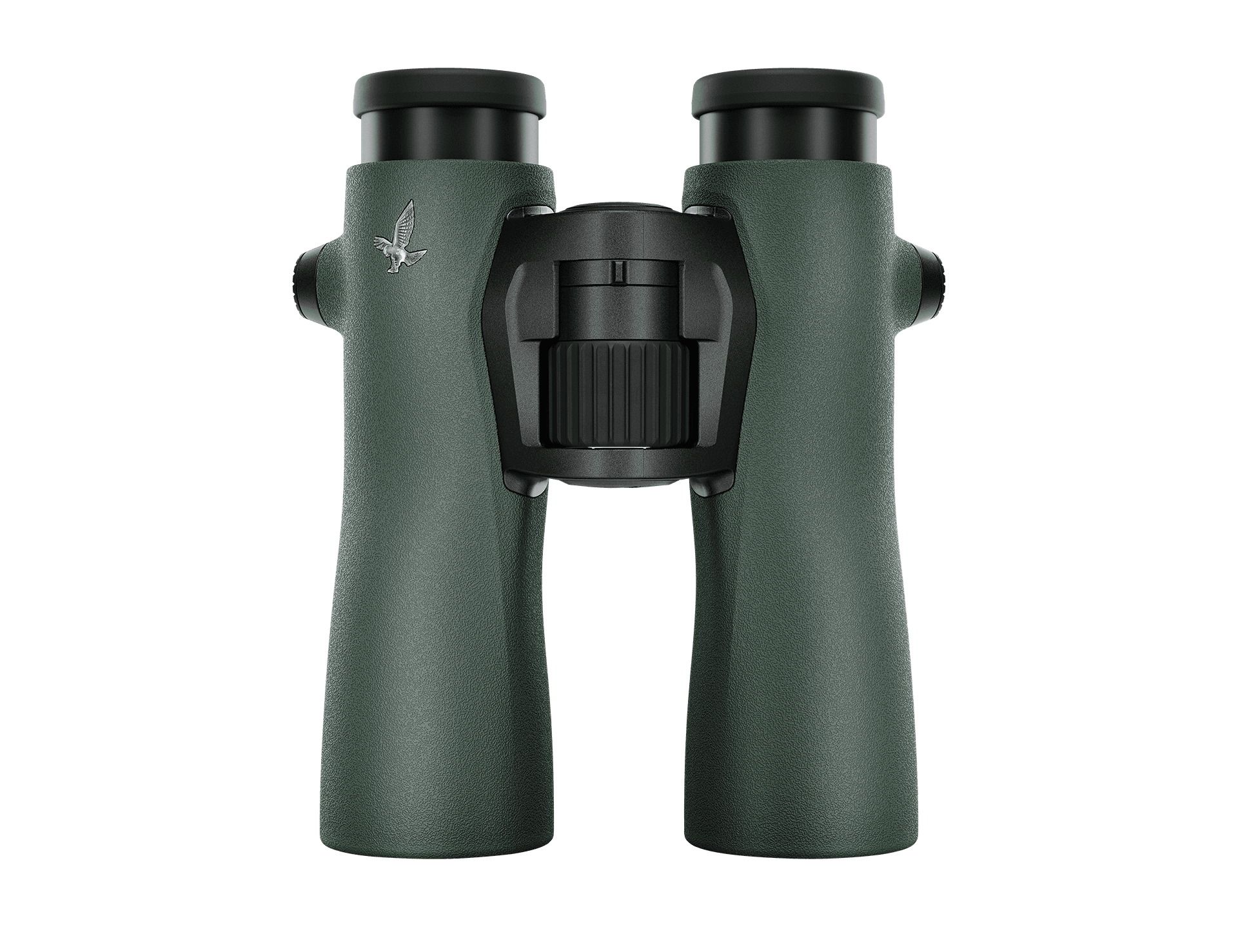 Swarovski NL Pure 8x42 | 8×42 | 159 m | 840 g | 5.3 mm | ★86.2 |
 Maven B.1.2 8x42 | 8×42 | 140 m | 760 g | 5.3 mm | ★86 |
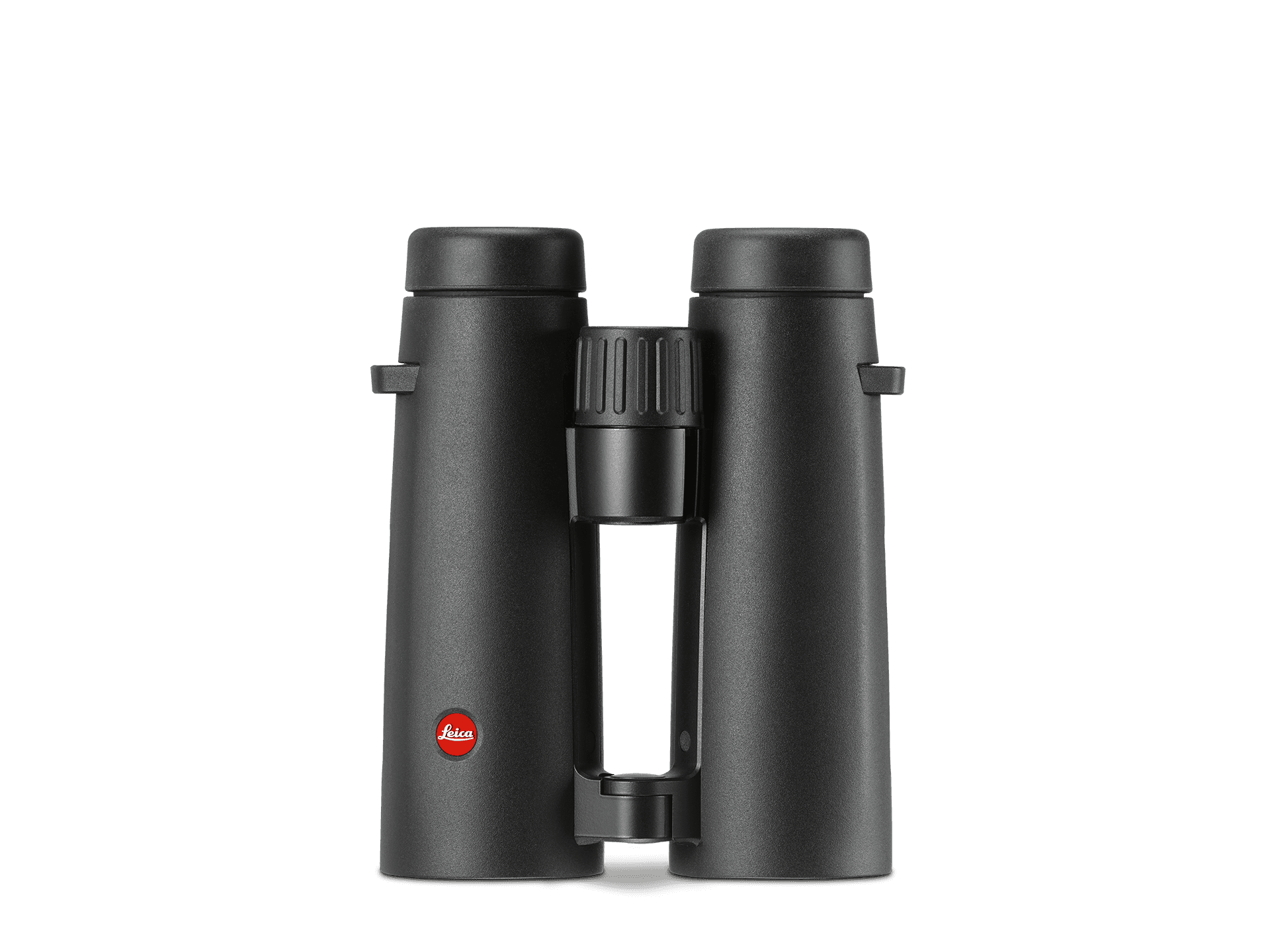 Leica Noctivid 8x42 | 8×42 | 135 m | 853 g | 5.3 mm | ★85.1 |
Optical quality: what the Monarch HG is really worth
This is where Nikon put the effort in. A premium binocular does not magnify any better than another one (an 8x is still an 8x), it shows you a cleaner, brighter and less tiring image. And on that front, the Monarch HG clearly plays in the big league. I base this verdict on the measured specs, my hands-on time with the Nikon range and the consistent field feedback from birders.
Centre sharpness
In the centre, the bite is superb. The ED glass (extra-low dispersion glass that limits the coloured fringing seen along high-contrast edges) and the prism phase correction deliver a fine, contrasty image. You can pick out the detail in a feather or the vein of a leaf with no distracting coloured halo. At this price, that is exactly what you expect, and it is delivered.
Edge sharpness
Sharpness stays very good across most of the field, with a slight softening right at the edge, which is normal at this price. That is one of the gaps with the £2,500 alphas, which hold sharp almost to the black ring. In real use, you nudge the subject back towards the centre and the difference disappears.
Coatings and brightness
The fully multicoated optics, phase correction and the dielectric mirror (a prism coating that bounces more light back towards your eye) give a clear, bright image, including when the light starts to fade. At dawn and dusk, those moments when wildlife is most active, you keep a good read on the detail. I stay qualitative here on purpose: Nikon does not publish a transmission figure for this pair, so I will not invent one.
Colour rendition
The rendering is neutral and faithful, with no strong cast that would throw off the identification of a species. Chromatic aberration (those purple or green edges on very high-contrast outlines) is well controlled. Nothing to complain about for serious observation.
Ergonomics and weight: the real case for the 665 g
Handling
The magnesium alloy body is compact and well balanced. The grip is secure, the coating is pleasant, and the light weight helps you hold the image steady handheld. For an 8x, that is genuine comfort over the long haul. The body measures 145 x 131 mm, so it stays manageable in the hand.
Focus wheel and focusing
The wheel is precise and nicely weighted, neither too stiff nor too loose. The close focus of 2 m is a real bonus: you can study a butterfly or a dragonfly almost at your feet, which opens the binocular up to entomology and botany.
Eye relief and glasses wearers
The eye relief of 17.8 mm (the distance at which your eye sees the whole image) is comfortable, including with glasses. The click-stop eyecups hold their setting well. A good mark for glasses wearers, who are often the most demanding on this point.
In the field: birding, safari, hunting
The radar scores above do not come out of nowhere: they reflect how the Monarch HG behaves depending on your practice. Here is what that means in concrete terms.
Birding: its home turf
This is the use where it shines most. The light weight lets you keep it raised for ages without fatigue, the sharpness and faithful rendering make identification easier, and the close focus helps with nearby subjects. For regular birding without an alpha budget, it is a benchmark. The 145 m field of view at 1000 m (how wide a slice of the scene you take in) is enough to follow a bird flitting between branches.
Safari and travel: the ideal companion
The 665 g and the toughness make it an excellent travel binocular: it takes up little room, shrugs off dust and damp, and stays versatile for watching big wildlife. This is probably where its weight-to-performance balance is most convincing.
Hunting: versatile and reliable
For hunting, the waterproofing to 5 m, the fog resistance and the solid chassis reassure you in any weather. The 8x42 strikes a good balance between a wide field for spotting and decent brightness as the light drops. For a forest hide or a driven shoot, it does the job without flinching.
Build and durability
Construction
Magnesium alloy chassis, mechanics with no play, careful finish: the Monarch HG inspires confidence. It is not the showy luxury of an alpha, but it is solid, serious and built to last.
Waterproofing and fog resistance
The pair is waterproof to 5 m and nitrogen filled, so it is fogproof: no internal condensation when you move from warm to cold, and no worry in rain or mist. For all-weather field use, that is exactly what you want.
Nikon warranty and service
Nikon has a broad service network and a solid warranty across its sport optics range. That is reassuring for a purchase meant to last many years, and worth factoring into the real cost over time.
Monarch HG against the alphas and the Monarch M7
The real question is not "is it good" (it is), but "where does it sit". Here is how I place it between the mid-range and the alphas.
| Model | Where it sits | Who it is for |
|---|---|---|
| Nikon Monarch HG 8x42 | Light near alpha, at around half the price | Anyone who wants the maximum without paying the alpha price |
| Alpha (Swarovski, Zeiss) | The optical summit, wider field, double the price | Anyone who observes intensively and wants the absolute best |
| Nikon Monarch M7 8x42 | Excellent mid-range, cheaper | Anyone who wants a very good pair on a tighter budget |
My summary: the Monarch HG is the step just below the alphas. If you are torn with an alpha, ask yourself whether the wider field and the edge sharpness are worth double the budget for your use. If you are torn with the Monarch M7, the jump to HG mainly pays off if you observe often and for long stretches.
Who the Monarch HG 8x42 is for (and who it is not)
- You want the top end without the alpha price: yes, that is exactly its reason for being.
- You count every gram (hiking, travel): the 665 g is a decisive argument.
- You observe only occasionally: a very good mid-range pair will probably do.
- You want maximum immersion and perfect edge sharpness: look at an alpha instead.
Ready to look at models?
The comparison tool applies this exact method: it ranks binoculars by how you'll use them and your budget.
Compare all binocularsYour questions about the Nikon Monarch HG 8x42
Is the Monarch HG worth an alpha at half the price?
Monarch HG 8x42 or 10x42?
What is the difference with the Nikon Monarch M7?
Is it waterproof and under warranty?
Is 665 g really lighter in use?
Is it suitable for glasses wearers?
About the author
Teddy
I spend my weekends with my eye to the eyepiece, in the field and at the comparison bench. My reviews lean on measured specs and real use, never on manufacturer sheets copied across.